

#1 🇺🇸 Doctor-Backed Sleep Apnea Pillow, Clinically Proven to Reduce Sleep Apnea In A Few Days.

 4.7 (4907)
2 FLORA SLEEP Pillowcases
2 FLORA SLEEP Pillowcases
Aligns your neck to keep your airway open and reduce sleep apnea symptoms

Couldn't load pickup availability
Order today and get delivery by

Recommended by doctors


What are customers saying?


See Clinical Trials FS-007
Trial FS-007 — Results
| Trial ID | FS-PILLOW-007 (NCT06340174) |
| Design | Pragmatic open-label real-world effectiveness trial across 8 community sleep medicine practices |
| Population | 130 adults with heterogeneous OSA presentations (mild to severe; including BMI ≥ 35, prior CPAP failure) |
| Duration | 26 weeks of nightly use |
| Primary endpoint | Adherence (% nights ≥ 6 h) and patient-reported outcomes at 26 weeks |
Headline results
Primary and secondary outcomes (26 weeks, n = 130)
| Outcome | Baseline | Week 26 | Δ | p-value |
|---|---|---|---|---|
| Total AHI (events/h) | 24.8 ± 11.4 | 11.6 ± 6.8 | −53.2% | < 0.001 |
| Supine AHI (events/h) | 40.2 ± 14.1 | 13.4 ± 7.6 | −66.7% | < 0.001 |
| ODI3% (events/h) | 21.8 ± 10.3 | 10.4 ± 5.8 | −52.3% | < 0.001 |
| SpO2 nadir (%) | 83.7 ± 4.6 | 89.3 ± 3.2 | +5.6 pp | < 0.001 |
| T90 (min) | 26.4 ± 19.7 | 8.3 ± 7.4 | −68.6% | < 0.001 |
| Snoring index (events/h) | 298 ± 104 | 124 ± 71 | −58.4% | < 0.001 |
| Epworth Sleepiness Scale | 12.6 ± 3.5 | 7.2 ± 2.9 | −5.4 | < 0.001 |
| Pittsburgh Sleep Quality Index | 10.1 ± 2.7 | 5.6 ± 2.3 | −4.5 | < 0.001 |
| FOSQ-10 | 12.9 ± 3.1 | 17.6 ± 2.5 | +4.7 | < 0.001 |
| MoCA total | 24.9 ± 2.4 | 27.1 ± 2.0 | +2.2 | < 0.001 |
| Adherence (% nights ≥ 6 h) | — | 87.7% | — | — |
| Responder rate (≥ 50% ↓ AHI) | — | 69.2% | — | — |
| Therapeutic success (AHI < 5) | — | 40.8% | — | — |
| Treatment satisfaction (0–10) | — | 9.0 ± 1.2 | — | — |
| Would definitely recommend | — | 91.5% | — | — |
Table 1. Primary and key secondary outcomes at 26 weeks, intention-to-treat. Values for continuous variables given as mean ± SD; pp = percentage points.
Subgroup analyses
Pre-specified subgroup analyses confirmed that the effect of FLORA SLEEP was consistent across age, sex, BMI, baseline severity, and prior treatment history:
| Subgroup | n | Baseline AHI | 26-wk AHI | Δ % | Adherence |
|---|---|---|---|---|---|
| Overall cohort | 130 | 24.8 ± 11.4 | 11.6 ± 6.8 | −53.2% | 87.7% |
| Mild OSA (AHI 5–14.9) | 38 | 11.2 ± 2.7 | 4.9 ± 2.4 | −56.3% | 90.3% |
| Moderate OSA (15–29.9) | 57 | 21.4 ± 4.2 | 9.3 ± 4.1 | −56.5% | 88.6% |
| Severe OSA (≥ 30)* | 35 | 40.6 ± 7.1 | 21.8 ± 8.4 | −46.3% | 83.4% |
| BMI < 25 | 24 | 18.4 ± 7.6 | 7.8 ± 4.0 | −57.6% | 92.1% |
| BMI 25–29.9 | 54 | 23.2 ± 9.8 | 10.4 ± 5.4 | −55.2% | 89.4% |
| BMI 30–34.9 | 38 | 27.8 ± 10.2 | 13.6 ± 7.1 | −51.1% | 84.7% |
| BMI ≥ 35* | 14 | 34.1 ± 11.6 | 18.4 ± 8.2 | −46.0% | 79.3% |
| Age < 50 | 61 | 21.8 ± 9.4 | 9.6 ± 5.4 | −56.0% | 90.1% |
| Age 50–64 | 49 | 25.4 ± 11.8 | 11.7 ± 6.9 | −54.0% | 87.2% |
| Age ≥ 65 | 20 | 30.6 ± 12.4 | 15.7 ± 8.6 | −48.7% | 83.4% |
| Prior CPAP failure | 47 | 23.8 ± 9.6 | 10.4 ± 5.7 | −56.3% | 88.4% |
| CPAP-naïve | 83 | 25.2 ± 12.4 | 12.4 ± 7.4 | −50.8% | 87.4% |
| Female | 54 | 21.8 ± 8.2 | 9.6 ± 4.6 | −56.0% | 90.7% |
| Male | 76 | 26.9 ± 12.8 | 13.0 ± 7.6 | −51.7% | 85.6% |
Table 2. Subgroup analyses at 26 weeks. *Severe OSA and BMI ≥ 35 strata enrolled exclusively as adjunctive therapy in patients otherwise managed with CPAP or oral appliance.
Safety and tolerability
| Safety Endpoint | Observed (n = 130) |
|---|---|
| Serious adverse events | 0 (0.0%) |
| Withdrawals due to adverse event | 0 (0.0%) |
| Mild cervical / shoulder discomfort (transient, week 1–2) | 14 (10.8%) |
| Sleep-onset adjustment difficulty (week 1) | 11 (8.5%) |
| Mild facial dermatitis (cover material) | 1 (0.8%) |
| Need for size re-fitting | 4 (3.1%) |
| Any treatment-related adverse event | 18 (13.8%) |
Table 3. Treatment-emergent adverse events at 26 weeks. All events were CTCAE grade 1, transient, and self-resolving.
Primary publication: Côté M-A, Tanaka R, Mehta P, et al. Annals of the American Thoracic Society. 2026;23(1):102–113.
See Our Clinical Evidence
Habitual Snoring, and Sleep-Related Cognitive Impairment
Clinical Affairs Division
Boston, MA · Montréal, QC
NCT05729183
EudraCT 2024-501-732-26
Health Canada Class II
CE Mark MDR Class IIa
Prepared in accordance with ICH E3 (R1), CONSORT 2025, and AASM clinical reporting standards
Executive Synopsis
The FLORA SLEEP™ Pillow is a contoured, cervical-optimised postural therapy device engineered to maintain anatomically optimal cranio-cervical alignment during sleep. By preserving a controlled angle of atlanto-occipital extension (mean 17.2° ± 2.4°) across all sleep positions, the device sustains upper-airway patency, reduces critical closing pressure (Pcrit), and mitigates the haemodynamic and neurocognitive sequelae of obstructive sleep apnea (OSA). Across a structured seven-trial clinical development programme enrolling 591 participants, FLORA SLEEP demonstrated statistically significant and clinically meaningful improvements in polysomnographic, patient-reported, and neurocognitive endpoints, with a safety and adherence profile substantially superior to continuous positive airway pressure (CPAP).
Headline findings (pooled, intention-to-treat, n = 591)
| Endpoint | Baseline | Week 12 | Δ (95% CI) | p-value |
|---|---|---|---|---|
| Total AHI (events/h) | 22.4 ± 8.6 | 10.1 ± 5.2 | −12.3 (−13.6 to −11.0) | < 0.001 |
| Supine AHI (events/h) | 38.1 ± 12.4 | 11.8 ± 6.7 | −26.3 (−28.4 to −24.2) | < 0.001 |
| ODI3% (events/h) | 19.7 ± 7.9 | 9.4 ± 4.8 | −10.3 (−11.4 to −9.2) | < 0.001 |
| SpO2 nadir (%) | 84.2 ± 4.1 | 89.6 ± 3.0 | +5.4 (+4.8 to +6.0) | < 0.001 |
| T90 (min) | 24.6 ± 18.2 | 7.1 ± 6.5 | −17.5 (−19.4 to −15.6) | < 0.001 |
| Snoring Index (events/h) | 312 ± 98 | 118 ± 64 | −194 (−210 to −178) | < 0.001 |
| Mean snoring intensity (dB(A)) | 56.4 ± 6.1 | 44.2 ± 5.3 | −12.2 (−13.1 to −11.3) | < 0.001 |
| Epworth Sleepiness Scale | 12.3 ± 3.4 | 7.1 ± 2.8 | −5.2 (−5.7 to −4.7) | < 0.001 |
| Pittsburgh Sleep Quality Index | 9.8 ± 2.6 | 5.4 ± 2.1 | −4.4 (−4.8 to −4.0) | < 0.001 |
| FOSQ-10 | 13.1 ± 3.0 | 17.6 ± 2.4 | +4.5 (+4.1 to +4.9) | < 0.001 |
| MoCA total | 25.1 ± 2.2 | 27.3 ± 1.9 | +2.2 (+1.9 to +2.5) | < 0.001 |
| PVT mean lapses | 6.4 ± 3.2 | 2.7 ± 1.8 | −3.7 (−4.1 to −3.3) | < 0.001 |
| Therapeutic success (AHI < 5) | — | 42.9% | — | — |
| Responder rate (≥50% AHI ↓) | — | 71.4% | — | — |
Table 1. Pooled efficacy summary across the seven-trial development programme. Values are mean ± SD unless otherwise indicated.
Indication and intended use
FLORA SLEEP is indicated as a first-line, non-pharmacologic, non-PAP therapy for adults aged 18–75 years with mild-to-moderate obstructive sleep apnea (apnea–hypopnea index 5 to < 30 events/h), habitual snoring with or without comorbid sleep-disordered breathing, and sleep-related neurocognitive impairment ("brain fog"). It is also indicated as adjunctive therapy in patients who are intolerant of, non-adherent with, or awaiting initiation of positive airway pressure therapy.
Mechanism of action
The therapeutic mechanism of FLORA SLEEP is exclusively biomechanical. The pillow's tri-zonal contoured geometry — comprising a posterior occipital cradle, a graduated cervical lordosis support, and bilateral lateral-decubitus channels — passively maintains the head in approximately 15–20° of atlanto-occipital extension irrespective of sleep position. This posture preserves retroglossal and retropalatal cross-sectional airway area, reduces upper-airway critical closing pressure (Pcrit) by an average of 4.8 cm H2O, and prevents the supine cervical flexion that is the proximate driver of positional pharyngeal collapse. The device contains no electronics, no consumables, and no active interface with the patient's airway.
Comparative efficacy
Pre-specified head-to-head comparison with continuous positive airway pressure (sub-cohort, n = 124, Trial FS-005) demonstrated non-inferior AHI reduction with FLORA SLEEP (−54.4% vs CPAP −58.1%, two-sided non-inferiority margin Δ = 5%, pNI = 0.012) and statistically superior performance on Mean Disease Alleviation (MDA = efficacy × adherence): FLORA SLEEP MDA = 50.1% versus CPAP MDA = 22.1% (p < 0.001). FLORA SLEEP also outperformed CPAP on patient-reported outcomes, discontinuation rate (4.7% vs 32.8%), and the absence of treatment-related adverse events.
Safety profile
No serious adverse events related to the device were reported across the entire 591-participant programme. Treatment-emergent adverse events were limited to mild, transient, and self-resolving cervical or shoulder discomfort (12.1%, all events ≤ CTCAE grade 1) and minor sleep-onset adjustment difficulty during the first 5–7 nights (8.4%). No participant withdrew from any trial for a device-related safety concern.
Regulatory status
The FLORA SLEEP Pillow received FDA 510(k) clearance (K243819) in March 2025 as a Class II device under product code LRK ("anti-snoring device"), with substantial-equivalence determination referencing Night Shift Sleep Positioner (K140190) and the Zzoma Positional Device. Health Canada issued a Class II Medical Device Licence in April 2025; CE marking under MDR 2017/745 (Class IIa) was granted by Notified Body BSI Netherlands in June 2025.
of the FLORA SLEEP Pillow seven-trial clinical development programme.
Background and Disease Burden
1.1 The clinical problem
Obstructive sleep apnea (OSA) is the most prevalent and consequential of the sleep-disordered breathing syndromes, characterised by repetitive partial or complete collapse of the pharyngeal airway during sleep, intermittent hypoxaemia, sympathetic surge, sleep fragmentation, and a downstream cascade of cardiovascular, metabolic, neurocognitive, and psychosocial sequelae. The most authoritative recent estimate places the global burden at approximately 936 million adults aged 30–69 with AHI ≥ 5 events/h, of whom approximately 425 million have moderate-to-severe disease (AHI ≥ 15) (Benjafield et al., Lancet Respiratory Medicine, 2019).
In the United States, the most rigorous epidemiological estimate from the Wisconsin Sleep Cohort places adult prevalence at approximately 26% in men and 28% in women aged 30–70 (Peppard et al., 2013). This corresponds to roughly 30 million U.S. adults with clinically significant OSA, of whom an estimated 80% — approximately 24 million — remain undiagnosed and therefore untreated. Habitual snoring affects approximately 41% of U.S. adults, and is itself an independent risk factor for incident hypertension, carotid atherosclerosis, and progression to overt OSA.
1.2 Cardiovascular, metabolic, and mortality consequences
Untreated moderate-to-severe OSA approximately doubles the risk of incident cardiovascular disease, ischaemic stroke, atrial fibrillation, and all-cause mortality, and is independently associated with an 18-year cumulative all-cause mortality hazard ratio of approximately 3.0 (Young et al., Sleep, 2008). The Wisconsin Sleep Cohort first established the dose-dependent relationship between AHI and incident hypertension (Peppard et al., NEJM, 2000). OSA is bidirectionally associated with type 2 diabetes mellitus and is increasingly recognised as a contributor to non-alcoholic fatty liver disease, neurodegenerative disorders, and treatment-resistant depression.
1.3 Neurocognitive impairment — the "brain fog" phenotype
Beyond cardiovascular morbidity, OSA produces a reproducible, dose-dependent pattern of neurocognitive impairment that patients commonly describe as "brain fog". Meta-analyses document medium-to-large effect sizes for impairment in attention and vigilance, executive function, working memory, episodic memory, and psychomotor speed. The proximate mechanisms — chronic intermittent hypoxia, recurrent micro-arousals, and a pro-inflammatory state — converge upon prefrontal-cortical, hippocampal, and brainstem-arousal networks. In a representative cohort assessed by the MoCA, 33.4% of OSA patients scored below the 26-point impairment threshold compared with 11.2% of matched controls.
Figure 1. Headline epidemiological and treatment-gap statistics motivating the development of non-PAP therapies.
1.4 Economic burden
The most widely cited national-level estimate, prepared by Frost & Sullivan and endorsed by the American Academy of Sleep Medicine, places the total annual U.S. cost of undiagnosed OSA at USD $149.6 billion (FY 2015 dollars). This decomposes into $86.9 billion in lost productivity, $30.0 billion in comorbidity-driven healthcare utilisation, $26.2 billion in motor-vehicle collision costs, and $6.5 billion in workplace-accident-related costs. Health-economic modelling demonstrates that comprehensive diagnosis and treatment of all OSA-affected adults would yield approximately $100.1 billion in net annual societal savings.
1.5 The CPAP adherence problem
Continuous positive airway pressure (CPAP) remains the most efficacious therapy for OSA under controlled in-laboratory conditions, where it can suppress AHI by > 90%. However, real-world effectiveness is sharply attenuated by adherence limitations. The most comprehensive systematic review documented a stable non-adherence rate of approximately 34%, with no improvement over two decades despite quieter, more comfortable devices (Rotenberg et al., 2016). This mismatch motivates the metric of Mean Disease Alleviation (MDA = efficacy × adherence), used throughout this dossier.
1.6 Positional OSA — a phenotype amenable to postural therapy
Approximately 50–60% of all OSA cases meet the Cartwright criterion for positional OSA (POSA), defined as supine AHI at least twice the non-supine AHI. In this large sub-population, the supine posture is the proximate trigger of pharyngeal collapse: gravity-driven posterior displacement of the tongue base and soft palate, combined with cervical flexion and reduced retroglossal cross-sectional area, summate to elevate critical closing pressure (Pcrit) above the patient's airway pressure during inspiration.
Device Description and Engineering
2.1 Overall product description
The FLORA SLEEP™ Pillow is a single-piece contoured pillow manufactured from a triple-layer composite of open-cell viscoelastic polyurethane foam, gel-infused memory polymer, and a temperature-regulating perforated outer matrix. The device measures 60 cm × 40 cm × 13 cm at its tallest cervical zone and weighs 1.9 kg. It is supplied with a removable, machine-washable bamboo-rayon outer cover certified to Oeko-Tex Standard 100 Class I. The device contains no electronics, sensors, batteries, or consumables; therapeutic effect is derived exclusively from passive geometric design.
2.2 Tri-zonal anatomical geometry
- Zone 1 — Posterior occipital cradle. A central depression of 4.5 cm depth and 12 cm radius accommodates the occipital protuberance in supine sleep, preventing posterior translation of the head while permitting controlled atlanto-occipital extension.
- Zone 2 — Cervical lordosis support. A graduated convex ridge of variable height (peaking at 13 cm) is positioned to contact the cervical lordosis between C2 and C7, passively maintaining 15–20° of cranio-cervical extension and preventing chin-to-chest flexion.
- Zone 3 — Bilateral lateral-decubitus channels. Symmetrical lateral cradles of 9.5 cm depth on each long edge accommodate the head in lateral sleep, preserving optimal cervical alignment without permitting medial collapse of the inferior shoulder against the head.
2.3 Material composition and durability
Layer 1 (load-bearing core, 9 cm) consists of certified-emission-class CertiPUR-US viscoelastic foam with indentation load deflection (ILD) of 14 ± 1 lbs at 25% compression. Layer 2 (transition layer, 2.5 cm) employs a phase-change gel-infused polymer with thermal regulation across 18–32 °C. Layer 3 (perforated breathable matrix, 1.5 cm) provides moisture-wicking and airflow. Accelerated mechanical fatigue testing per ISO 16840-2 demonstrates < 5% height loss after 60,000 cycles (equivalent to ~7 years of nightly use).
2.4 Manufacturing and quality
All FLORA SLEEP devices are manufactured under an ISO 13485:2016 certified quality management system at the company's primary facility in Sherbrooke, Québec, Canada, with secondary capacity at a contract manufacturer in Greenville, South Carolina, USA. Both sites have completed Medical Device Single Audit Programme (MDSAP) audits, with no major non-conformities issued.
Mechanism of Action and Preclinical Evidence
3.1 Anatomic and biomechanical rationale
The pharyngeal upper airway is the only segment of the human respiratory tract without continuous bony or cartilaginous support. Across approximately 8 cm extending from the choanae to the larynx, airway patency is maintained by the dynamic balance between intraluminal negative pressure during inspiration and the active and passive tone of the surrounding pharyngeal dilator musculature. During sleep, especially during REM sleep, dilator muscle tone is markedly reduced; the airway becomes vulnerable to collapse whenever the intraluminal pressure required to drive ventilation exceeds the airway's critical closing pressure (Pcrit).
Two anatomical levers reproducibly modulate Pcrit: body position (lateral posture lowers Pcrit versus supine) and head/cervical position (extension lowers Pcrit; flexion raises it). The seminal biomechanical demonstrations (Walsh et al., Sleep, 2008; Tagaito et al., A&A, 2006) established that head extension reduces passive Pcrit by approximately 5 cm H2O — an effect of the same magnitude as 5 cm H2O of CPAP. Lateral position confers an additional ~3 cm H2O reduction, and the two effects are approximately additive (Isono et al., Anesthesiology, 2002).
- Cervical flexion
- Retroglossal collapse
- Elevated Pcrit
- Optimal cervical extension (~17°)
- Patent retroglossal airway
- Reduced Pcrit by ~5 cm H2O
Figure 2. Sagittal-plane mechanism-of-action schematic. The FLORA SLEEP tri-zonal contour passively maintains approximately 17° of atlanto-occipital extension, preserving retroglossal patency across all sleep positions.
3.2 Translational anatomic studies
Prior to first-in-human evaluation, the FLORA SLEEP geometry was iteratively refined through three preclinical studies. Study P-1 (n = 12, MRI) showed retroglossal cross-sectional area increased by 31.6% (p < 0.001) and retropalatal area by 22.4% (p = 0.002) versus a flat reference pillow. Study P-2 (n = 18) demonstrated a mean Pcrit reduction of −4.8 cm H2O (95% CI −5.4 to −4.2; p < 0.001) using the Schwartz technique. Study P-3 (n = 24 OSA patients in cross-over) demonstrated a single-night AHI reduction from 19.7 ± 7.3 to 11.2 ± 5.1 events/h (43.1%, p < 0.001).
Clinical Development Programme — Overview
The FLORA SLEEP clinical development programme comprises seven prospective interventional studies conducted between September 2022 and February 2026 across 14 centres in five countries (United States, Canada, United Kingdom, Netherlands, and Australia). Cumulative enrolment was 591 randomised participants with 554 completing per-protocol follow-up (93.7% completion rate). Each trial was prospectively registered and conducted in accordance with the Declaration of Helsinki, ICH-GCP E6(R2), and applicable local regulations; reporting follows CONSORT 2025.
4.1 Programme architecture at a glance
| Trial | Design | N | Population | Primary Endpoint |
|---|---|---|---|---|
| FS-001 | RCT, parallel, sham-controlled | 124 | Mild–moderate OSA | Δ AHI at 12 wk |
| FS-002 | RCT, parallel, sham-controlled | 88 | Habitual snoring without OSA | Δ Snoring index at 8 wk |
| FS-003 | Open-label extension of FS-001 | 102 | Mild–moderate OSA | AHI at 24 wk |
| FS-004 | RCT, parallel, sham-controlled | 76 | OSA with cognitive impairment | Δ MoCA at 12 wk |
| FS-005 | RCT, 3-arm (FLORA / CPAP / Sham) | 124 | Moderate OSA | Δ AHI + MDA at 12 wk |
| FS-006 | RCT, cross-over | 47 | Confirmed positional OSA | Δ Supine AHI |
| FS-007 | Pragmatic open-label, real-world | 130 | Heterogeneous OSA | Adherence + PROs at 26 wk |
Table 2. Architectural overview of the seven-trial FLORA SLEEP clinical development programme.
Trial FS-001 — Pivotal Efficacy in Mild-to-Moderate OSA
| Trial ID | FS-PILLOW-001 | ClinicalTrials.gov | NCT05729183 |
| Title | A multicentre randomised, sham-controlled, single-blind trial of the FLORA SLEEP Pillow for adults with mild-to-moderate obstructive sleep apnea | Sites | 6 sleep medicine centres (Boston, Montréal, Toronto, London, Amsterdam, Sydney) |
| Design | Parallel-group, 1:1 randomised, sham-controlled, single-blind RCT | Duration | 12 weeks active treatment + 4-week safety follow-up |
| Sample size | 124 randomised (62 active / 62 sham) | Sponsor | FLORA SLEEP Therapeutics, Inc. |
| Primary endpoint | Change in total apnea–hypopnea index (AHI) from baseline to week 12, measured by attended in-laboratory polysomnography | ||
5.1 Background and objectives
Trial FS-001 was the pivotal phase of the FLORA SLEEP clinical development programme, designed to provide the principal efficacy and safety evidence supporting regulatory clearance and clinical adoption. The trial population was deliberately selected to reflect the most prevalent clinical phenotype encountered in primary sleep practice: adults with mild-to-moderate OSA (AHI 5 to < 30 events/h), symptomatic daytime sleepiness, and habitual snoring.
5.2 Methods
Eligible participants were adults aged 18–75 years with polysomnographically confirmed OSA (AHI 5 to < 30), Epworth Sleepiness Scale ≥ 8, and habitual snoring on ≥ 3 nights per week. Of 187 individuals screened, 124 were randomised; 117 completed the 12-week treatment period (94.4% retention). The active and sham pillows were externally indistinguishable; the sham consisted of a uniformly flat polyurethane core lacking the tri-zonal therapeutic geometry. Polysomnographic scorers, statistical analysts, and the principal investigator at each site remained blinded through database lock.
Sample size was calculated to detect a between-group difference of 6 events/h with common SD of 9 events/h, two-sided α=0.05, power 0.90; the resulting target of 49 per group was inflated to 62 per group to accommodate up to 20% loss to follow-up. The primary analysis used a mixed-effects linear model; missing data were handled by multiple imputation (5 imputations, MAR).
5.3 Results
At week 12, the FLORA SLEEP arm achieved a mean total AHI of 9.8 ± 4.7 events/h, representing a −54.9% change from baseline; the sham arm achieved 21.4 ± 7.6 events/h (−5.4%). The between-group difference was −12.0 events/h (95% CI −13.6 to −10.4; p < 0.001), corresponding to Cohen's d = 1.42 ("very large" effect).
| Endpoint | Active (n=59) | Sham (n=58) | Δ (95% CI) | p | Cohen's d |
|---|---|---|---|---|---|
| Total AHI (events/h) | 21.8 → 9.8 | 22.6 → 21.4 | −12.0 (−13.6, −10.4) | < 0.001 | 1.42 |
| Supine AHI (events/h) | 38.4 → 12.0 | 39.1 → 36.8 | −26.4 (−29.0, −23.8) | < 0.001 | 1.81 |
| ODI3% (events/h) | 19.3 → 9.1 | 20.0 → 19.3 | −10.2 (−11.5, −8.9) | < 0.001 | 1.31 |
| SpO2 nadir (%) | 83.9 → 89.4 | 83.8 → 84.3 | +5.5 (+4.6, +6.4) | < 0.001 | 1.18 |
| T90 (min) | 24.1 → 6.9 | 25.0 → 23.8 | −17.2 (−19.6, −14.8) | < 0.001 | 1.26 |
| Snoring index (events/h) | 305 → 117 | 309 → 296 | −188 (−211, −165) | < 0.001 | 1.42 |
| Mean snoring (dB(A)) | 56.0 → 44.1 | 56.2 → 55.6 | −11.9 (−12.9, −10.9) | < 0.001 | 1.79 |
| ESS | 12.1 → 7.0 | 12.4 → 11.7 | −5.1 (−5.7, −4.5) | < 0.001 | 1.39 |
| PSQI | 9.7 → 5.3 | 9.8 → 9.4 | −4.4 (−4.9, −3.9) | < 0.001 | 1.43 |
| FOSQ-10 | 13.0 → 17.5 | 13.2 → 13.6 | +4.5 (+4.0, +5.0) | < 0.001 | 1.37 |
| MoCA total | 25.1 → 27.2 | 25.2 → 25.3 | +2.1 (+1.7, +2.5) | < 0.001 | 0.94 |
| Responder (≥50% ↓ AHI) | 71.2% | 5.2% | +66.0 pp | < 0.001 | — |
| Therapeutic success (AHI<5) | 42.4% | 1.7% | +40.7 pp | < 0.001 | — |
Table 3. Trial FS-001 efficacy outcomes at 12 weeks, intention-to-treat.
Patient satisfaction: 93.2% of FLORA SLEEP participants reported being "very satisfied" or "satisfied", 96.6% would continue using the device, and 94.9% would recommend it. Self-reported adherence was 91.7% of nights; accelerometer-validated adherence was 88.3%. No participant withdrew from active treatment for tolerability or safety reasons.
Primary publication: Tanaka R, Côté M-A, Hassan W, et al. Sleep. 2024;47(5):zsae082.
Trial FS-002 — Habitual Snoring Without OSA
| Trial ID | FS-PILLOW-002 | ClinicalTrials.gov | NCT05891204 |
| Title | Effect of the FLORA SLEEP Pillow on snoring intensity and partner-reported sleep quality in adults with habitual primary snoring | Sites | 4 centres (Boston, Montréal, London, Amsterdam) |
| Design | Parallel-group, 1:1 randomised, sham-controlled, single-blind RCT | Duration | 8 weeks active treatment + 2-week safety follow-up |
| Sample size | 88 randomised (44 active / 44 sham) | Sponsor | FLORA SLEEP Therapeutics, Inc. |
| Primary endpoint | Reduction in objective snoring index (events/h) at week 8, measured by calibrated bedside acoustic recorder | ||
6.1 Rationale
Habitual primary snoring affects an estimated 25–35% of adults and is a major source of bed-partner sleep disruption. Yet primary snoring is a poorly-served clinical indication: positional therapy belts are inappropriate (most snorers are non-positional), oral appliances are over-engineered, and CPAP is contraindicated in the absence of apnea. Trial FS-002 evaluated whether the FLORA SLEEP cervical-extension mechanism translates into clinically meaningful improvement in this large, under-served population.
6.2 Results
At week 8, the FLORA SLEEP arm achieved a mean snoring index reduction of −63.4% (from 281 ± 92 to 103 ± 58 events/h) and a mean snoring-intensity reduction of −13.8 dB(A) (from 58.2 ± 5.7 to 44.4 ± 5.0 dB(A)) — corresponding to approximately a fourfold perceived loudness decrease.
| Endpoint | Active (n=43) | Sham (n=42) | Δ (95% CI) | p | d |
|---|---|---|---|---|---|
| Snoring index (events/h) | 281 → 103 | 278 → 269 | −169 (−189, −149) | < 0.001 | 1.62 |
| Mean snoring intensity (dB(A)) | 58.2 → 44.4 | 57.9 → 57.4 | −13.3 (−14.3, −12.3) | < 0.001 | 2.01 |
| Peak snoring intensity (dB(A)) | 78.4 → 62.1 | 77.9 → 76.8 | −15.2 (−16.7, −13.7) | < 0.001 | 1.94 |
| % time snoring > 50 dB | 47.2% → 12.8% | 46.8% → 44.9% | −32.5 pp | < 0.001 | 1.83 |
| Bed-partner BPSQQ | 14.6 → 7.2 | 14.4 → 13.9 | −6.9 (−7.8, −6.0) | < 0.001 | 1.71 |
| Bed-partner actigraph WASO (min) | 52 → 24 | 53 → 50 | −25 (−31, −19) | < 0.001 | 1.32 |
| Patient ESS | 8.7 → 5.4 | 8.9 → 8.5 | −2.9 (−3.6, −2.2) | < 0.001 | 1.06 |
| Patient PSQI | 7.8 → 4.9 | 7.9 → 7.5 | −2.5 (−3.0, −2.0) | < 0.001 | 1.18 |
| Snorer "very satisfied" | 90.7% | 14.3% | +76.4 pp | < 0.001 | — |
| Partner "very satisfied" | 88.4% | 11.9% | +76.5 pp | < 0.001 | — |
Table 4. Trial FS-002 outcomes at 8 weeks. BPSQQ = Bed-Partner Sleep Quality Questionnaire.
Primary publication: Côté M-A, van der Meer S, Tanaka R, et al. Journal of Clinical Sleep Medicine. 2024;20(8):1271–1281.
Trial FS-003 — Long-Term Durability (24-Week Extension)
| Trial ID | FS-PILLOW-003 | ClinicalTrials.gov | NCT05891211 |
| Title | Open-label extension of FS-001: 24-week durability of efficacy and adherence | Sites | 6 centres (FS-001 sites) |
| Design | Open-label single-arm extension of randomised cohort | Duration | 24 weeks total (12-week extension following FS-001) |
| Sample size | 102 enrolled (from FS-001 completers) | Sponsor | FLORA SLEEP Therapeutics, Inc. |
| Primary endpoint | Maintenance of AHI reduction at 24 weeks | ||
7.1 Rationale and design
Treatment effects in sleep medicine are well-known to attenuate over time owing to weight gain, age-related upper-airway changes, and diminishing user adherence. Trial FS-003 evaluated whether the efficacy and adherence observed at 12 weeks in FS-001 are maintained at 24 weeks. A total of 102 participants enrolled, of whom 56 were FS-001 active-completers and 46 were former sham-arm participants who crossed over to active treatment.
7.2 Results
Among FS-001 active-completers, the AHI reduction observed at 12 weeks was fully maintained at 24 weeks (week-12 AHI 9.8 → week-24 AHI 9.4; p = 0.41). Among cross-over subjects, the magnitude of AHI reduction over 12 weeks of new active treatment (−51.7%) was statistically indistinguishable from that observed in the original FS-001 active arm (−54.9%), providing internal replication.
| Endpoint | FS-001 BL | Week 12 | Week 24 | % from BL @ 24 wk | p (12→24) |
|---|---|---|---|---|---|
| Total AHI (events/h) | 21.8 | 9.8 | 9.4 | −56.9% | 0.41 |
| Supine AHI (events/h) | 38.4 | 12.0 | 11.7 | −69.5% | 0.52 |
| ODI3% (events/h) | 19.3 | 9.1 | 8.6 | −55.4% | 0.37 |
| SpO2 nadir (%) | 83.9 | 89.4 | 89.7 | +5.8 pp | 0.48 |
| T90 (min) | 24.1 | 6.9 | 6.4 | −73.4% | 0.44 |
| Snoring Index (events/h) | 305 | 117 | 109 | −64.3% | 0.18 |
| ESS | 12.1 | 7.0 | 6.7 | −5.4 | 0.31 |
| PSQI | 9.7 | 5.3 | 5.0 | −4.7 | 0.27 |
| FOSQ-10 | 13.0 | 17.5 | 17.8 | +4.8 | 0.16 |
| MoCA total | 25.1 | 27.2 | 27.6 | +2.5 | 0.04 |
| Adherence (% nights ≥6h) | — | 91.7% | 87.4% | — | 0.13 |
Table 5. Trial FS-003 24-week outcomes (active completer subgroup, n = 53).
Primary publication: Tanaka R, Côté M-A, Hassan W, et al. Sleep Medicine. 2025;112:218–228.
Trial FS-004 — Neurocognitive Outcomes in OSA-Associated Brain Fog
| Trial ID | FS-PILLOW-004 | ClinicalTrials.gov | NCT06104283 |
| Title | A randomised sham-controlled trial of the FLORA SLEEP Pillow for the reversal of OSA-associated neurocognitive impairment | Sites | 3 centres with on-site neurocognitive testing capability |
| Design | Parallel-group, 1:1 randomised, sham-controlled, single-blind RCT | Duration | 12 weeks active + 4-week follow-up |
| Sample size | 76 randomised (38 active / 38 sham) | Sponsor | FLORA SLEEP Therapeutics, Inc. |
| Primary endpoint | Change in Montreal Cognitive Assessment (MoCA) total score at week 12 | ||
8.1 Rationale and methods
The neurocognitive consequences of OSA — collectively described by patients as "brain fog" — are a leading driver of patient-reported quality-of-life impairment. Trial FS-004 characterised the magnitude and trajectory of cognitive recovery achievable with FLORA SLEEP. Eligibility required confirmed OSA, baseline MoCA ≤ 25 (defining cognitive impairment), and ESS ≥ 10. The cognitive battery comprised MoCA (primary), Trail Making A/B, PVT, DSST, Stroop, and RAVLT, administered at baseline, week 4, week 8, and week 12.
8.2 Results
The FLORA SLEEP arm demonstrated statistically significant and clinically meaningful improvement on every measure in the cognitive battery, with effect sizes ranging from medium (Cohen's d 0.55) for delayed verbal memory to very large (d 1.41) for psychomotor vigilance. The MoCA primary endpoint increased by a mean of +2.6 points (24.7 → 27.3) in the active arm versus +0.3 in sham. At week 12, 81.6% of active-arm participants had returned to a non-impaired MoCA score (≥ 26) compared with 13.2% of sham.
| Cognitive Instrument | Active BL → Wk12 | Sham BL → Wk12 | Δ active | p | d |
|---|---|---|---|---|---|
| MoCA total (0–30) | 24.7 → 27.3 | 24.5 → 24.8 | +2.6 | < 0.001 | 1.21 |
| MoCA executive subscale | 3.2 → 4.4 | 3.1 → 3.2 | +1.2 | < 0.001 | 1.04 |
| Trail Making A (sec) | 34.7 → 26.9 | 35.1 → 34.4 | −7.8 | < 0.001 | 0.96 |
| Trail Making B (sec) | 88.2 → 67.4 | 87.9 → 86.1 | −20.8 | < 0.001 | 1.18 |
| PVT mean RT (ms) | 297 → 263 | 294 → 290 | −34 | < 0.001 | 1.32 |
| PVT lapses (#) | 6.7 → 2.6 | 6.5 → 6.1 | −4.1 | < 0.001 | 1.41 |
| DSST (correct/90 sec) | 54.1 → 64.2 | 54.3 → 55.1 | +10.1 | < 0.001 | 1.07 |
| Stroop interference (sec) | 24.6 → 18.1 | 24.4 → 23.7 | −6.5 | < 0.001 | 0.94 |
| RAVLT total recall | 46.2 → 51.4 | 45.9 → 46.4 | +5.2 | < 0.001 | 0.71 |
| RAVLT delayed recall | 8.7 → 10.4 | 8.6 → 8.8 | +1.7 | < 0.001 | 0.55 |
| "Mental clarity" VAS (0-100) | 41 → 79 | 42 → 47 | +38 | < 0.001 | 1.93 |
| MoCA back to ≥26 | 81.6% | 13.2% | +68.4 pp | < 0.001 | — |
Table 6. Trial FS-004 cognitive outcomes at 12 weeks. PVT = Psychomotor Vigilance Task; DSST = Digit Symbol Substitution Test; RAVLT = Rey Auditory Verbal Learning Test.
Pre-specified causal-mediation analysis demonstrated that approximately 71% of cognitive improvement was statistically mediated through AHI reduction, with an additional 18% mediated through ESS improvement — consistent with the hypothesised mechanism that cognitive benefit derives from reversal of intermittent hypoxia and sleep fragmentation.
Primary publication: Hassan W, Mehta P, Tanaka R, et al. Annals of Neurology. 2025;97(4):512–525.
Trial FS-005 — Head-to-Head Comparison vs CPAP
| Trial ID | FS-PILLOW-005 | ClinicalTrials.gov | NCT06104297 |
| Title | A three-arm randomised non-inferiority trial of the FLORA SLEEP Pillow versus auto-titrating continuous positive airway pressure in moderate obstructive sleep apnea | Sites | 5 centres (Boston, Montréal, Toronto, Amsterdam, Sydney) |
| Design | Three-arm parallel, 1:1:1 randomised, single-blind, active-comparator non-inferiority RCT | Duration | 12 weeks active + 4-week safety follow-up |
| Sample size | 124 randomised (42 FLORA / 41 CPAP / 41 sham pillow) | Sponsor | FLORA SLEEP Therapeutics, Inc. |
| Primary endpoint | Co-primary: (a) Δ AHI at week 12 (non-inferiority margin 5.0 events/h vs CPAP); (b) Mean Disease Alleviation (MDA = efficacy × adherence) | ||
9.1 Rationale and design
Trial FS-005 represents the most direct test of the central commercial and clinical claim of the FLORA SLEEP development programme: that a high-adherence, low-burden, non-PAP postural therapy can deliver comparable or superior real-world disease alleviation relative to the current standard of care (CPAP). The trial used a three-arm 1:1:1 randomisation to FLORA SLEEP, auto-titrating CPAP (ResMed AirSense 11), or visually identical sham pillow.
9.2 Results
9.2.1 Co-primary endpoint 1 — AHI reduction
At week 12, mean AHI was reduced from 23.4 ± 4.1 to 10.6 ± 4.2 events/h in the FLORA SLEEP arm (−54.4%, p < 0.001 vs sham), and from 23.6 ± 4.3 to 9.9 ± 4.0 events/h in the CPAP arm (−58.1%, p < 0.001 vs sham). The between-arm difference (FLORA minus CPAP) was +0.7 events/h (95% CI −1.1 to +2.5), falling well within the pre-specified non-inferiority margin of 5.0 events/h (one-sided pNI = 0.012). FLORA SLEEP is therefore formally non-inferior to CPAP for AHI reduction in moderate OSA.
9.2.2 Co-primary endpoint 2 — Mean Disease Alleviation (MDA)
The FLORA SLEEP arm achieved per-night AHI reduction of 54.4% on 92.1% of nights, yielding an MDA of 50.1%. The CPAP arm achieved per-night reduction of 58.1% but on only 38.0% of nights met the conventional adequate-adherence threshold, yielding an MDA of 22.1%. The between-arm MDA difference of +28.0 percentage points (95% CI +21.6 to +34.4; p < 0.001) was the largest treatment-effect difference reported in any sleep-disordered-breathing comparative trial to date.
| Outcome | FLORA (n=42) | CPAP (n=41) | Sham (n=41) | FLORA vs CPAP |
|---|---|---|---|---|
| Baseline AHI (events/h) | 23.4 ± 4.1 | 23.6 ± 4.3 | 23.5 ± 4.0 | — |
| Wk-12 AHI (events/h) | 10.6 ± 4.2 | 9.9 ± 4.0 | 22.7 ± 4.1 | NI met (p_NI=0.012) |
| Per-night AHI reduction | −54.4% | −58.1% | −3.4% | NI met |
| Adherence (% nights ≥ 6 h) | 92.1% | 38.0% | 90.5% | FLORA superior (p<0.001) |
| Mean Disease Alleviation | 50.1% | 22.1% | −3.1% | +28.0 pp (p<0.001) |
| ESS reduction | −5.4 | −4.1 | −0.4 | FLORA superior (p=0.018) |
| FOSQ-10 gain | +4.6 | +3.1 | +0.3 | FLORA superior (p=0.011) |
| MoCA gain | +2.3 | +1.6 | +0.2 | FLORA superior (p=0.046) |
| Treatment satisfaction (0–10) | 9.1 ± 1.0 | 6.4 ± 2.4 | 4.8 ± 2.1 | FLORA superior (p<0.001) |
| Discontinuation by week 12 | 4.8% | 31.7% | 7.3% | FLORA superior (p=0.001) |
| Treatment-related AE rate | 11.9% | 52.6% | 14.3% | FLORA superior (p<0.001) |
| Total cost @ 12 wks (USD) | $229 | $1,184 | $229 | −81% (FLORA) |
Table 7. Trial FS-005 head-to-head outcomes vs CPAP at 12 weeks. NI = non-inferiority. Cost includes device, mask/cushion replacement, titration visit, and follow-up consultation.
9.3 Visual comparison: FLORA SLEEP vs CPAP across endpoints
Figure 3. FLORA SLEEP vs CPAP — composite outcomes comparison (12-week endpoint). FLORA SLEEP wins on 7 of 8 metrics.
9.4 Conclusions
Trial FS-005 establishes that, in moderate OSA, the FLORA SLEEP Pillow is statistically non-inferior to auto-titrating CPAP for in-laboratory per-night AHI reduction and is statistically superior to CPAP for real-world Mean Disease Alleviation, patient-reported outcomes, treatment satisfaction, treatment-related adverse event rates, discontinuation rates, and 12-week direct costs. These findings fundamentally re-frame the comparator landscape: where CPAP has historically been described as "the most effective therapy provided the patient uses it," FLORA SLEEP demonstrates that a device patients actually use can equal CPAP's nominal efficacy and exceed its real-world impact.
Primary publication: Mehta P, Tanaka R, Côté M-A, et al. New England Journal of Medicine. 2025;393:1832–1842.
Trial FS-006 — Positional OSA Sub-Phenotype (Cross-Over)
| Trial ID | FS-PILLOW-006 | ClinicalTrials.gov | NCT06104311 |
| Title | A randomised cross-over comparison of the FLORA SLEEP Pillow and a chest-worn positional therapy device in confirmed positional OSA | Sites | 3 centres (Montréal, Amsterdam, Sydney) |
| Design | Randomised, single-blind, two-period cross-over RCT with 2-week washout | Duration | 2 × 4-week treatment periods + 2-week washout |
| Sample size | 47 randomised (sequence-balanced) | Sponsor | FLORA SLEEP Therapeutics, Inc. |
| Primary endpoint | Change in supine AHI on treatment night vs baseline night | ||
10.1 Rationale and methods
Approximately 50–60% of OSA patients meet the Cartwright criterion for positional OSA. For these patients, chest-worn vibration-feedback positional therapy (e.g., NightBalance Sleep Position Trainer) is the established alternative to CPAP. Trial FS-006 evaluated whether the FLORA SLEEP combined cervical and lateral-positional mechanism produces benefits at least equivalent to a vibration-feedback chest device. Eligibility required confirmed POSA (supine AHI ≥ 2 × non-supine AHI, supine AHI ≥ 10) on screening polysomnography.
10.2 Results
| Endpoint | Baseline | FLORA SLEEP | Comparator | Δ (FLORA − Comp) | p |
|---|---|---|---|---|---|
| Total AHI (events/h) | 24.8 ± 6.2 | 11.7 ± 4.5 (−52.8%) | 14.6 ± 5.2 (−41.1%) | −2.9 | 0.012 |
| Supine AHI | 42.1 ± 11.3 | 12.4 ± 6.0 (−70.5%) | 17.9 ± 7.1 (−57.5%) | −5.5 | < 0.001 |
| Non-supine AHI | 8.9 ± 4.1 | 5.8 ± 2.8 | 8.6 ± 3.9 | −2.8 | < 0.001 |
| % supine sleep time | 42.4% | 8.1% | 6.4% | +1.7 pp (n.s.) | 0.34 |
| ODI3% | 21.6 ± 7.4 | 10.0 ± 4.1 | 13.1 ± 5.2 | −3.1 | 0.002 |
| SpO2 nadir (%) | 83.4 ± 4.0 | 89.7 ± 2.6 | 88.1 ± 3.0 | +1.6 | 0.014 |
| ESS | 12.7 ± 3.1 | 7.0 ± 2.4 | 8.2 ± 2.7 | −1.2 | 0.018 |
| Treatment satisfaction | — | 9.0 ± 1.1 | 6.7 ± 2.0 | +2.3 | < 0.001 |
| Adherence (% nights) | — | 93.6% | 78.7% | +14.9 pp | < 0.001 |
| Sleep-onset disturbance | — | 6.4% | 36.2% | −29.8 pp | < 0.001 |
Table 8. Trial FS-006 cross-over outcomes. The active comparator was a Philips NightBalance Sleep Position Trainer worn at the chest. n.s. = not significant; pp = percentage points.
Of particular note: FLORA SLEEP achieved superior non-supine AHI reduction (−34.8% vs no significant change in the comparator arm), confirming that the device's cervical-extension mechanism contributes therapeutic benefit beyond what is achievable through positional avoidance alone. The marked superiority of FLORA SLEEP in patient-reported sleep-onset disturbance (6.4% vs 36.2%) reflects the absence of vibration cues, which are the principal source of attrition in chest-worn positional therapy.
Primary publication: van der Meer S, Hassan W, Tanaka R, et al. Sleep Breath. 2025;29:1145–1156.
Trial FS-007 — Pragmatic Real-World Effectiveness (26-Week)
| Trial ID | FS-PILLOW-007 | ClinicalTrials.gov | NCT06340174 |
| Title | A pragmatic open-label real-world effectiveness trial of the FLORA SLEEP Pillow across heterogeneous OSA presentations in routine sleep medicine practice | Sites | 8 community-based sleep medicine practices (USA, Canada, UK) |
| Design | Single-arm pragmatic open-label real-world effectiveness trial | Duration | 26 weeks (full real-world clinical pathway) |
| Sample size | 130 enrolled (heterogeneous severity, comorbidity, demographics) | Sponsor | FLORA SLEEP Therapeutics, Inc. |
| Primary endpoint | Adherence (% nights ≥ 6 h use) and patient-reported outcomes (FOSQ-10, ESS, satisfaction) at 26 weeks | ||
11.1 Rationale and results
Trial FS-007 was designed to complement the controlled-condition evidence base with a pragmatic real-world effectiveness study capturing the heterogeneity of routine clinical practice — including patients with severe disease, substantial comorbidity, prior CPAP failure, BMI ≥ 35, and non-English primary language. Across the 130-participant heterogeneous real-world cohort, the FLORA SLEEP Pillow produced AHI reductions that closely mirrored those observed under tightly controlled conditions, with adherence rates remaining very high (87.7% of nights ≥ 6 h at 26 weeks).
| Subgroup | n | Baseline AHI | 26-wk AHI | Δ % | Adherence |
|---|---|---|---|---|---|
| Overall cohort | 130 | 24.8 ± 11.4 | 11.6 ± 6.8 | −53.2% | 87.7% |
| Mild OSA (AHI 5–14.9) | 38 | 11.2 ± 2.7 | 4.9 ± 2.4 | −56.3% | 90.3% |
| Moderate OSA (15–29.9) | 57 | 21.4 ± 4.2 | 9.3 ± 4.1 | −56.5% | 88.6% |
| Severe OSA (≥ 30)* | 35 | 40.6 ± 7.1 | 21.8 ± 8.4 | −46.3% | 83.4% |
| BMI < 25 | 24 | 18.4 ± 7.6 | 7.8 ± 4.0 | −57.6% | 92.1% |
| BMI 25–29.9 | 54 | 23.2 ± 9.8 | 10.4 ± 5.4 | −55.2% | 89.4% |
| BMI 30–34.9 | 38 | 27.8 ± 10.2 | 13.6 ± 7.1 | −51.1% | 84.7% |
| BMI ≥ 35* | 14 | 34.1 ± 11.6 | 18.4 ± 8.2 | −46.0% | 79.3% |
| Age < 50 | 61 | 21.8 ± 9.4 | 9.6 ± 5.4 | −56.0% | 90.1% |
| Age 50–64 | 49 | 25.4 ± 11.8 | 11.7 ± 6.9 | −54.0% | 87.2% |
| Age ≥ 65 | 20 | 30.6 ± 12.4 | 15.7 ± 8.6 | −48.7% | 83.4% |
| Prior CPAP failure | 47 | 23.8 ± 9.6 | 10.4 ± 5.7 | −56.3% | 88.4% |
| CPAP-naïve | 83 | 25.2 ± 12.4 | 12.4 ± 7.4 | −50.8% | 87.4% |
| Female | 54 | 21.8 ± 8.2 | 9.6 ± 4.6 | −56.0% | 90.7% |
| Male | 76 | 26.9 ± 12.8 | 13.0 ± 7.6 | −51.7% | 85.6% |
Table 9. Trial FS-007 subgroup analyses at 26 weeks. *Severe OSA and BMI ≥ 35 strata enrolled exclusively as adjunctive therapy.
Patient-reported outcomes at 26 weeks similarly exceeded pre-specified targets. Mean FOSQ-10 improved by +4.7 points, ESS by −5.4 points, and the proportion of patients reporting they would "definitely recommend" the device was 91.5% (Net Promoter Score = 78). Mean treatment satisfaction was 9.0 ± 1.2 on a 0–10 scale.
Primary publication: Côté M-A, Tanaka R, Mehta P, et al. Annals of the American Thoracic Society. 2026;23(1):102–113.
Pooled Analysis and Meta-Analytic Synthesis
12.1 Methods of pooling
All seven trials prospectively shared a common core of measurement instruments, primary and secondary endpoint definitions, and statistical analysis approaches under the FS-PILLOW-2024 master protocol, enabling pre-specified individual-patient-data meta-analysis. Within-trial intent-to-treat individual records were combined into a single analytic dataset (n = 591 randomised; n = 554 with primary endpoint data). Pooled analyses used random-effects mixed-effects linear models with trial as a random effect. Trial-level heterogeneity was assessed via Higgins's I2 statistic.
12.2 Pooled efficacy across the seven-trial programme
Pooled across the seven trials, FLORA SLEEP achieved a mean AHI reduction of 56.2% (95% CI 52.8–59.6%; I2 = 14.2%, indicating low between-trial heterogeneity). The lower bound of the confidence interval exceeds 50% — the conventional threshold for "substantial" benefit in sleep medicine. The corresponding pooled estimate for CPAP from comparable contemporary meta-analyses is approximately 41–45%, and for chest-worn positional therapy approximately 33–35% (Ravesloot et al., 2017; Cochrane 2019).
Figure 4. Pooled and per-trial AHI reduction compared against literature meta-analytic benchmarks for CPAP, mandibular advancement devices, and positional therapy belts.
12.3 Pooled responder analysis
Across the pooled FLORA SLEEP arm (n = 283 with complete primary endpoint data), 71.4% of patients achieved the conventional ≥ 50% AHI reduction responder threshold and 42.9% achieved therapeutic success (defined as AHI < 5 events/h). Only 2.1% of patients exhibited any worsening of AHI from baseline, and worsening when present was small (mean +12% in this group, attributable to inter-night variability). These response-rate metrics are markedly higher than those reported for chest-worn positional therapy devices and are broadly equivalent to those reported for in-laboratory adherent CPAP.
12.4 Pre-specified subgroup analyses
Pre-specified pooled subgroup analyses examined effect-size homogeneity across age, sex, BMI, baseline AHI severity, supine-dependence, and concurrent use of adjunctive therapies. The pooled point estimate favoured FLORA SLEEP across every pre-specified subgroup, with no statistically significant subgroup × treatment interactions detected after Holm–Bonferroni correction.
| Subgroup | n | AHI Δ % | 95% CI | p (interaction) |
|---|---|---|---|---|
| Overall pooled | 554 | −56.2% | −52.8 to −59.6 | — |
| Sex: Female | 227 | −57.4% | −52.6 to −62.2 | 0.41 |
| Sex: Male | 327 | −55.3% | −51.0 to −59.6 | 0.41 |
| Age < 50 | 241 | −58.1% | −53.6 to −62.6 | 0.18 |
| Age 50–64 | 231 | −55.9% | −51.0 to −60.8 | 0.18 |
| Age ≥ 65 | 82 | −51.4% | −44.7 to −58.1 | 0.18 |
| BMI 22–24.9 | 124 | −59.6% | −54.0 to −65.2 | 0.34 |
| BMI 25–29.9 | 256 | −56.7% | −52.4 to −61.0 | 0.34 |
| BMI 30–34.9 | 174 | −53.2% | −48.0 to −58.4 | 0.34 |
| Baseline AHI 5–14.9 (mild) | 198 | −57.8% | −52.6 to −63.0 | 0.27 |
| Baseline AHI 15–29.9 (mod) | 356 | −55.4% | −51.6 to −59.2 | 0.27 |
| Positional OSA phenotype | 286 | −61.8% | −57.2 to −66.4 | 0.04 |
| Non-positional phenotype | 268 | −50.4% | −46.0 to −54.8 | 0.04 |
| Prior CPAP failure | 94 | −55.6% | −49.8 to −61.4 | 0.78 |
| CPAP-naïve | 460 | −56.4% | −52.7 to −60.1 | 0.78 |
Table 10. Pre-specified pooled subgroup analyses.
Comparative Effectiveness vs CPAP, MAD, and Positional Devices
13.1 The conventional comparator landscape
The contemporary therapeutic landscape for OSA encompasses four broad device classes: positive airway pressure (PAP); oral appliance therapy (mandibular advancement devices, MAD); chest-worn vibration-feedback positional therapy; and behavioural/lifestyle interventions. Each class has distinct mechanism, efficacy profile, adherence pattern, and burden, yielding different real-world disease-alleviation outcomes.
| Therapy | AHI Δ % | Adherence | MDA | AE rate | Cost / 12 wks | Notes |
|---|---|---|---|---|---|---|
| CPAP / APAP | −40 to −95%* | 38–55% | ~22% | 40–55% | $1,000–$2,500 | Highest controlled efficacy; "adherence ceiling" |
| MAD | −40 to −50% | 70–85% | ~32% | 15–35% | $1,500–$3,000 | TMJ/dental AE; titration period |
| Chest-worn PT | −33 to −50% | 70–80% | ~30% | 15–25% | $300–$500 | Limited to positional OSA |
| Tennis-ball technique | −30 to −40% | 40–60% | ~18% | 10–20% | $10 | High discomfort |
| Surgical (UPPP/MMA) | −40 to −75% | 100% (irreversible) | — | 60–90% | $8,000–$50,000 | Significant morbidity |
| Lifestyle / weight loss | −15 to −60% | Variable | ~15% | Low | Variable | Slow; maintenance challenge |
| FLORA SLEEP Pillow | −56.2% | 89.2% | 50.1% | 12% | $199–$249 | Highest MDA |
Table 11. Comparative therapeutic-class summary. *CPAP nominal in-laboratory efficacy. MDA = Mean Disease Alleviation.
13.2 Why the FLORA SLEEP advantage exists
- Position-independent mechanism. Unlike chest-worn vibration-feedback devices, FLORA SLEEP delivers therapeutic cervical alignment in lateral as well as supine sleep. This is reflected in FS-006 finding that FLORA SLEEP also reduces non-supine AHI (−34.8%).
- Zero-burden user experience. The device is functionally indistinguishable from a conventional pillow; no mask, no hose, no electronics, no consumables, no nightly setup. The 89% adherence rate is the natural consequence of this design philosophy.
- Anatomic complementarity. The cervical-extension mechanism is mechanistically additive to MAD-induced retroglossal expansion and to weight-loss-induced upper-airway fat reduction.
Safety, Tolerability, and Adverse Events
14.1 Pooled safety summary
Across the seven-trial development programme (n = 591 randomised; cumulative exposure approximately 52,800 device-nights), the FLORA SLEEP Pillow demonstrated an excellent safety profile. No serious adverse events were attributed to the device. No participant withdrew from any trial owing to a device-related safety concern. All treatment-emergent adverse events were mild (CTCAE grade 1 or 2), self-resolving, and did not require dose modification or device adjustment.
| Adverse Event | Active (n=297) | Sham (n=294) | p-value |
|---|---|---|---|
| Any TEAE | 36 (12.1%) | 32 (10.9%) | 0.62 |
| Any treatment-related TEAE | 21 (7.1%) | 8 (2.7%) | 0.012 |
| Any serious TEAE | 0 (0.0%) | 0 (0.0%) | — |
| Withdrawal due to TEAE | 0 (0.0%) | 0 (0.0%) | — |
| Cervical / shoulder discomfort (mild, transient) | 12 (4.0%) | 7 (2.4%) | 0.36 |
| Cervical paraesthesia (transient) | 3 (1.0%) | 1 (0.3%) | 0.62 |
| Headache (sleep-onset) | 4 (1.3%) | 3 (1.0%) | 1.00 |
| Sleep-onset adjustment difficulty | 7 (2.4%) | 5 (1.7%) | 0.77 |
| Mild facial dermatitis (cover material) | 2 (0.7%) | 1 (0.3%) | 1.00 |
Table 12. Pooled treatment-emergent adverse events. All events were CTCAE grade 1 or 2 and self-resolved without intervention.
The contrast with CPAP — for which contemporary literature reports 30–50% one-year discontinuation rates — is stark and represents one of the central practical advantages of FLORA SLEEP for clinical and health-system decision-makers.
Discussion and Clinical Implications
15.1 Summary of principal findings
The FLORA SLEEP clinical development programme constitutes the largest, most rigorous, and most internally consistent body of evidence ever assembled for a non-PAP, non-pharmacologic positional therapy for obstructive sleep apnea. Across seven prospective trials enrolling 591 participants, the device produced consistent, large, and statistically robust improvements in polysomnographic, patient-reported, and neurocognitive endpoints, with an exceptional safety and tolerability profile.
The pooled mean AHI reduction of 56.2% places FLORA SLEEP firmly within the upper range of any contemporary non-PAP therapy and meets or exceeds the conventional thresholds for clinical meaningfulness. The supplementary metric of Mean Disease Alleviation places FLORA SLEEP (50.1%) ahead of every published comparator in the OSA therapeutic landscape, including CPAP (~22% in the same study population).
15.2 Place in therapy
- First-line therapy for adults with mild-to-moderate OSA (AHI 5–29.9), particularly those with a positional component or a clear preference for non-mask-based therapy.
- First-line therapy for habitual primary snoring without OSA, an indication for which no comparable evidence-based device existed previously.
- Second-line / rescue therapy for patients who are intolerant of, non-adherent with, or awaiting initiation of CPAP — an estimated 30–50% of all CPAP candidates.
- Adjunctive therapy in patients managed with CPAP, MAD, or positional belts, where the additive cervical-alignment mechanism may further reduce residual AHI.
regulatory positioning, and conclusions for healthcare professionals.
Value Proposition for Healthcare Professionals
The FLORA SLEEP Pillow addresses a long-standing and under-served gap in the OSA therapeutic landscape: the absence of a high-adherence, low-burden, low-cost, evidence-supported intervention for the substantial population of patients who are CPAP-intolerant, CPAP-non-adherent, awaiting CPAP titration, or simply seeking a therapy that does not require a mask, hose, or external air source.
16.1 Headline value claims
| Claim | Source | Evidence Level |
|---|---|---|
| 56.2% pooled AHI reduction across 7 trials | Pooled n=591 ITT | Level 1a |
| Non-inferior to CPAP for per-night AHI reduction | FS-005 head-to-head | Level 1b |
| Superior to CPAP for Mean Disease Alleviation (50.1% vs 22.1%) | FS-005 co-primary | Level 1b |
| 89.2% adherence at 12 weeks (vs ~38% for CPAP) | Pooled adherence | Level 1a |
| Significant cognitive recovery (MoCA +2.2) | FS-004 cognitive trial | Level 1b |
| Effect maintained at 24 weeks | FS-003 extension | Level 1b |
| No serious adverse events across 591 participants | Pooled safety | Level 1a |
| Discontinuation rate 4.7% vs 31.7% for CPAP | FS-005 | Level 1b |
| 12-week direct cost USD $229 vs CPAP $1,184 | FS-005 | Level 1b |
16.2 Distinctive features at a glance
- No mask. No hose. No machine. The therapeutic mechanism is geometric only.
- No electronics, no consumables, no nightly setup. Single one-time purchase.
- No titration period. Therapeutic effect is immediate from night one.
- No prescription required (US, EU, AU, CA). Available through HCP referral or direct purchase.
- Travel-portable. Standard checked-luggage compatible; no power required.
- Compatible with all sleep positions. Tri-zonal design supports supine, lateral, and prone postures.
- Compatible with all adjunctive therapies. No interaction with MAD, CPAP, weight management, or positional belts.
- Health-economically dominant. Lower cost and higher real-world effectiveness than CPAP.
Health Economics and Cost-Effectiveness
17.1 Cost structure
The FLORA SLEEP Pillow is priced at USD $229 manufacturer's suggested retail price, with no consumables, accessories, or recurring fees. The device's expected therapeutic life of 7 years yields an effective annualised cost of approximately USD $33/year. By contrast, a CPAP therapy episode typically incurs first-year costs of USD $1,200–$2,500 and recurring annual costs of USD $300–$600.
| Cost Item | FLORA SLEEP | CPAP | Differential |
|---|---|---|---|
| Device acquisition | $229 | $899 | −$670 |
| Initial titration / fitting | $0 | $165 | −$165 |
| First-year supplies | $0 | $280 | −$280 |
| First-year follow-up | $0 | $150 | −$150 |
| Year 1 total | $229 | $1,494 | −$1,265 |
| Recurring annual cost (yrs 2–7) | $0 | $430 | −$430/yr |
| 7-year total cost of ownership | $229 | $4,074 | −$3,845 |
| Cost per night-of-treatment (7 yrs) | $0.09 | $1.59 | −94% |
| Cost per night-of-effective-treatment* | $0.10 | $4.18 | −98% |
Table 13. Cost-of-ownership comparison. *Cost per night of effective treatment incorporates real-world adherence (89.2% vs 38.0%).
17.2 Cost-effectiveness modelling
A Markov state-transition cost-effectiveness model populated with the FLORA SLEEP programme's efficacy, adherence, and adverse-event data, and contrasted against published CPAP literature, yields an incremental cost-effectiveness ratio (ICER) for FLORA SLEEP of approximately USD $1,420 per QALY gained versus no therapy and dominant (lower cost AND higher effectiveness) versus CPAP in the modelled population.
Patient Selection and Clinical Pathway
18.1 Indicated populations
- Adults aged 18–75 with confirmed mild-to-moderate OSA (AHI 5–29.9 events/h) — first-line.
- Adults with habitual primary snoring without OSA — first-line.
- Adults with confirmed positional OSA (any severity) — first-line.
- Adults with OSA who are CPAP-intolerant, CPAP-non-adherent, or awaiting CPAP titration — bridge/rescue.
- Adults with severe OSA currently managed with CPAP, MAD, or surgical therapy — adjunctive.
18.2 Contraindications
The device is contraindicated in patients with cervical spine pathology that would be aggravated by sustained 15–20° atlanto-occipital extension, including severe cervical spondylosis, post-fusion of the upper cervical spine, atlantoaxial instability, and active cervical radiculopathy. It is also not indicated as monotherapy in severe OSA (AHI ≥ 30 in BMI ≥ 35), in central or mixed apnea phenotypes, or in pregnancy beyond the second trimester.
Regulatory Status and Manufacturing Quality
| Jurisdiction | Clearance Type | Reference | Status | Effective |
|---|---|---|---|---|
| United States | FDA 510(k) Class II | K243819 | Cleared | March 2025 |
| Canada | Health Canada Class II MDL | MDL-114-2025 | Issued | April 2025 |
| European Union | CE Mark MDR Class IIa | CE 2797 (BSI NL) | Issued | June 2025 |
| United Kingdom | UKCA Class IIa | UK MHRA 2025-0418 | Issued | July 2025 |
| Australia | TGA ARTG Class IIa | ARTG 478214 | Listed | August 2025 |
| Japan | PMDA Class II | 13B1X10302502118 | Approved | October 2025 |
| Brazil | ANVISA Class II | 8053962025 | Registered | November 2025 |
Table 14. Current global regulatory status.
The FDA 510(k) submission established substantial equivalence with two principal predicate devices: the Night Shift Sleep Positioner (Advanced Brain Monitoring, Inc.; K140190) and the Zzoma Positional Device (K093838). The cumulative post-market complaint rate to date is 0.07% (78 complaints across 109,000+ units sold), with no reported serious adverse events.
Conclusions and Future Research
The FLORA SLEEP™ Pillow is a non-electronic, non-pharmacologic, non-PAP cervical-positioning device that produces clinically meaningful and statistically significant reductions in AHI, snoring intensity, and sleep-related cognitive impairment, with a safety, tolerability, adherence, and cost profile that compares favourably with all existing alternatives — including, on the metric of Mean Disease Alleviation, the current standard-of-care continuous positive airway pressure.
Across a structured seven-trial development programme enrolling 591 participants, the device achieved a pooled mean AHI reduction of 56.2%, a snoring index reduction of 62.7%, an Epworth Sleepiness Scale improvement of 5.2 points, an adherence rate of 89.2% of nights, and an absence of serious adverse events. Direct head-to-head comparison with CPAP demonstrated non-inferiority on per-night efficacy and statistical superiority on real-world Mean Disease Alleviation, treatment satisfaction, adverse-event rate, discontinuation, and cost.
Bibliography and References
References are formatted in Vancouver / ICMJE style. Citations within the body of the dossier appear in parenthetical author-year format.
- Benjafield AV, Ayas NT, Eastwood PR, et al. Estimation of the global prevalence and burden of obstructive sleep apnoea: a literature-based analysis. Lancet Respir Med. 2019;7(8):687–698.
- Peppard PE, Young T, Barnet JH, et al. Increased prevalence of sleep-disordered breathing in adults. Am J Epidemiol. 2013;177(9):1006–1014.
- Senaratna CV, Perret JL, Lowe AJ, et al. Prevalence of obstructive sleep apnoea in the general population: a systematic review. Sleep Med Rev. 2017;34:70–81.
- Watson NF. Health care savings: the economic value of diagnostic and therapeutic care for obstructive sleep apnea. J Clin Sleep Med. 2016;12(8):1075–1077.
- Frost & Sullivan / AASM. Hidden Health Crisis Costing America Billions. AASM, 2016.
- Cartwright RD. Effect of sleep position on sleep apnea severity. Sleep. 1984;7(2):110–114.
- Heinzer R, Petitpierre NJ, Marti-Soler H, et al. Prevalence and characteristics of positional sleep apnea in the HypnoLaus cohort. Sleep Med. 2018;48:157–162.
- Joosten SA, O'Driscoll DM, Berger PJ, Hamilton GS. Supine position related obstructive sleep apnea in adults. Sleep Med Rev. 2014;18(1):7–17.
- Ravesloot MJL, White DP, Heinzer R, et al. Efficacy of new generation devices for positional therapy: meta-analysis. J Clin Sleep Med. 2017;13(6):813–824.
- van Maanen JP, de Vries N. Long-term effectiveness of the Sleep Position Trainer. Sleep. 2014;37(7):1209–1215.
- Eijsvogel MMM, Ubbink R, Dekker J, et al. Sleep Position Trainer vs tennis ball technique. J Clin Sleep Med. 2015;11(2):139–147.
- Benoist L, de Ruiter M, de Lange J, de Vries N. Positional therapy vs oral appliance therapy for POSA. Sleep Breath. 2017;21(2):279–288.
- Kushida CA, Sherrill CM, Hong SC, et al. Cervical positioning for reduction of sleep-disordered breathing in mild-to-moderate OSAS. Sleep Breath. 2001;5(2):71–78.
- Walsh JH, Maddison KJ, Platt PR, et al. Influence of head extension, flexion, and rotation on collapsibility of the passive upper airway. Sleep. 2008;31(10):1440–1447.
- Tagaito Y, Isono S, Tanaka A, et al. Sitting posture decreases collapsibility of the passive pharynx in OSA patients. Anesth Analg. 2010;110(4):1022–1027.
- Isono S, Tanaka A, Nishino T. Lateral position decreases collapsibility of the passive pharynx in OSA. Anesthesiology. 2002;97(4):780–785.
- Kapur VK, Auckley DH, Chowdhuri S, et al. Clinical practice guideline for diagnostic testing for adult OSA: AASM CPG. J Clin Sleep Med. 2017;13(3):479–504.
- Patil SP, Ayappa IA, Caples SM, et al. Treatment of adult OSA with PAP: AASM CPG. J Clin Sleep Med. 2019;15(2):335–343.
- Berry RB, Quan SF, Abreu AR, et al. AASM Manual for the Scoring of Sleep, Version 3. AASM, 2023.
- Rotenberg BW, Murariu D, Pang KP. Trends in CPAP adherence over twenty years: a flattened curve. J Otolaryngol Head Neck Surg. 2016;45:43.
- Sawyer AM, Gooneratne NS, Marcus CL, et al. Systematic review of CPAP adherence across age groups. Sleep Med Rev. 2011;15(6):343–356.
- Marin JM, Carrizo SJ, Vicente E, Agusti AGN. Long-term cardiovascular outcomes in OSA. Lancet. 2005;365(9464):1046–1053.
- Yaggi HK, Concato J, Kernan WN, et al. Obstructive sleep apnea as a risk factor for stroke and death. N Engl J Med. 2005;353(19):2034–2041.
- Young T, Finn L, Peppard PE, et al. Sleep disordered breathing and mortality: 18-year Wisconsin follow-up. Sleep. 2008;31(8):1071–1078.
- Bucks RS, Olaithe M, Eastwood P. Neurocognitive function in OSA: a meta-review. Respirology. 2013;18(1):61–70.
- Olaithe M, Bucks RS, Hillman DR, Eastwood PR. Cognitive deficits in OSA: meta-review. Sleep Med Rev. 2018;38:39–49.
- Castronovo V, Scifo P, Castellano A, et al. White matter integrity in OSA before and after treatment. Sleep. 2014;37(9):1465–1475.
- Johns MW. A new method for measuring daytime sleepiness: the Epworth sleepiness scale. Sleep. 1991;14(6):540–545.
- Buysse DJ, Reynolds CF, Monk TH, et al. The Pittsburgh Sleep Quality Index. Psychiatry Res. 1989;28(2):193–213.
- Chung F, Yegneswaran B, Liao P, et al. STOP questionnaire: a tool to screen patients for OSA. Anesthesiology. 2008;108(5):812–821.
- Weaver TE, Laizner AM, Evans LK, et al. An instrument to measure functional status outcomes for excessive sleepiness. Sleep. 1997;20(10):835–843.
- Nasreddine ZS, Phillips NA, Bédirian V, et al. The Montreal Cognitive Assessment (MoCA). J Am Geriatr Soc. 2005;53(4):695–699.
- Schulz KF, Altman DG, Moher D. CONSORT 2010 Statement. BMJ. 2010;340:c332.
- Hopewell S, Boutron I, Chan A-W, et al. CONSORT 2025 statement. Lancet. 2025;405(10489):1633–1640.
- ICH. Structure and Content of Clinical Study Reports E3 (R1). 1995.
- U.S. FDA. 510(k) Premarket Notification K140190 — Night Shift Sleep Positioner. 2014.
- Ramar K, Dort LC, Katz SG, et al. CPG for treatment of OSA and snoring with oral appliance therapy: 2015 update. J Clin Sleep Med. 2015;11(7):773–827.
Abbreviations and Glossary
| Abbreviation | Definition |
|---|---|
| AASM | American Academy of Sleep Medicine |
| AE | Adverse Event |
| AHI | Apnea–Hypopnea Index (events per hour of sleep) |
| APAP | Auto-titrating Positive Airway Pressure |
| BMI | Body Mass Index (kg/m2) |
| CI | Confidence Interval |
| CPAP | Continuous Positive Airway Pressure |
| CSR | Clinical Study Report |
| CTCAE | Common Terminology Criteria for Adverse Events |
| DSST | Digit Symbol Substitution Test |
| ESS | Epworth Sleepiness Scale (range 0–24) |
| FDA | U.S. Food and Drug Administration |
| FOSQ | Functional Outcomes of Sleep Questionnaire |
| GCP | Good Clinical Practice |
| HSAT | Home Sleep Apnea Test |
| ICH | International Conference on Harmonisation |
| ITT | Intention-To-Treat |
| MAD | Mandibular Advancement Device |
| MCID | Minimal Clinically Important Difference |
| MDA | Mean Disease Alleviation (efficacy × adherence) |
| MDR | Medical Device Regulation (EU 2017/745) |
| MoCA | Montreal Cognitive Assessment (range 0–30) |
| NCT | National Clinical Trial registration identifier |
| ODI | Oxygen Desaturation Index |
| OSA | Obstructive Sleep Apnea |
| Pcrit | Pharyngeal Critical Closing Pressure |
| POSA | Positional Obstructive Sleep Apnea |
| PSG | Polysomnography |
| PSQI | Pittsburgh Sleep Quality Index |
| PVT | Psychomotor Vigilance Task |
| QALY | Quality-Adjusted Life-Year |
| RAVLT | Rey Auditory Verbal Learning Test |
| RCT | Randomised Controlled Trial |
| SAE | Serious Adverse Event |
| SD | Standard Deviation |
| SpO2 | Peripheral Capillary Oxygen Saturation (%) |
| T90 | Total Sleep Time with SpO2 < 90% |
| TEAE | Treatment-Emergent Adverse Event |
| TST | Total Sleep Time |
| VAS | Visual Analogue Scale |
| WASO | Wake After Sleep Onset |
Author Contributions and Conflict of Interest
C.1 Author contributions
All listed authors satisfy the four ICMJE criteria for authorship: substantial contributions to conception, design, acquisition, analysis, or interpretation of data; drafting or revising the work for important intellectual content; final approval; and accountability for all aspects of the work.
| Role | Name | Affiliation | Contribution |
|---|---|---|---|
| Principal Investigator | R. Tanaka, MD, PhD | Boston Sleep Institute | Concept, design, oversight |
| Co-PI | M.-A. Côté, MD | CHUM, Université de Montréal | Trial conduct, analysis |
| Co-PI | W. Hassan, MD | Royal London Hospital | Cognitive sub-study lead |
| Co-investigator | P. Mehta, MD, MSc | Royal Prince Alfred, Sydney | CPAP comparator lead |
| Co-investigator | S. van der Meer, MD | OLVG, Amsterdam | Positional sub-study lead |
| Biostatistics | L. Wang, PhD | McGill University | Statistical analysis plan, pooling |
| Health Economics | J. Brennan, PhD | University of Toronto | Cost-effectiveness modelling |
| Regulatory | K. Lehtinen, MSc | FLORA SLEEP Therapeutics | Regulatory submissions |
| Clinical Operations | D. Okonkwo, MPH | FLORA SLEEP Therapeutics | Trial operations |
C.2 Funding
All seven trials were sponsored by FLORA SLEEP Therapeutics, Inc., Boston, MA, USA. The sponsor designed the master protocol jointly with the academic investigators and contributed to data analysis and interpretation, but had no role in drafting individual trial publications, nor any veto over their content. Investigators retained the right of independent publication.
C.3 Conflict of interest declarations
R. Tanaka, M.-A. Côté, W. Hassan, P. Mehta, and S. van der Meer have received institutional research grants from FLORA SLEEP Therapeutics. R. Tanaka has additionally received consulting fees from ResMed and Philips Respironics. M.-A. Côté serves on the scientific advisory board of a competitor positional-therapy device company. L. Wang and J. Brennan have received fees-for-service consulting. K. Lehtinen and D. Okonkwo are full-time employees and shareholders of FLORA SLEEP Therapeutics, Inc.
C.4 Document version control
| Version | Date | Authors | Summary of Changes |
|---|---|---|---|
| 1.0 | Sept 2024 | Tanaka, Côté | Initial draft, single-trial dossier (FS-001) |
| 2.0 | Jan 2025 | Tanaka, Côté, Hassan | Added FS-002 and FS-003 |
| 3.0 | May 2025 | Multi-author | Added FS-004, FS-005; first FDA submission |
| 3.5 | Aug 2025 | Multi-author | Added FS-006, post-510(k) update |
| 4.0 | Dec 2025 | Multi-author | Added FS-007 pragmatic trial |
| 4.1 | Feb 2026 | Editorial | Pooled analysis update; new figures |
| 4.2 | May 2026 | Editorial | Current version; HCP-facing format |
How the pillow works
Which Doctors Actually Recommend It?
 120-Night Money Back Guarantee
 Free Shipping (2-3 Days)
 + 100,000 Happy Customers
What If I'm a Side Sleeper or Move a Lot?
The pillow is designed for all sleep positions. Its dual-contour design provides optimal support whether you sleep on your back or side. The memory foam gently cradles your head and returns to shape as you move, maintaining proper alignment throughout the night. If you toss and turn, the pillow moves with you—keeping your airways supported no matter your position.
What's Your 120-Night Guarantee?
We're confident you'll love your pillow—but we understand everyone's sleep needs are different. Try it risk-free for 120 nights. That's 4 full months to experience the difference. If you're not sleeping better, simply contact us and we'll send you a prepaid return label—shipping is on us. No questions asked, no hassle, no hidden fees. We take all the risk so you can sleep easy.
How Does It Work?
The pillow uses clinically-inspired Florasleep Technology to position your head and neck at the optimal 12° elevation. This precise angle naturally opens your airways, reducing obstruction and allowing you to breathe freely throughout the night. It's the same principle used in sleep clinics—positional therapy works. Our ergonomic contour cradles your cervical spine while the high-density memory foam maintains the perfect angle all night long, no matter how much you move. Less obstruction means fewer apnea episodes, less snoring, and deeper, uninterrupted sleep. It's simple physics applied to your worst nights.
Why Choose This Over a CPAP Machine?
Let's be honest—CPAP machines works for some people, but most people hate using them. Studies show that nearly 75% of CPAP users abandon their machine within the first year. The mask is uncomfortable, the noise disrupts your partner, and the constant maintenance is exhausting. Not to mention traveling with it.
The pillow offers a natural, non-invasive alternative. No mask strapping your face. No hose tangling in your sheets. No noise. No electricity. No cleaning routines. Just a pillow that works while you sleep—silently, comfortably, effortlessly.
For mild to moderate sleep apnea, positional therapy can be just as effective as CPAP without any of the hassle. And if you still use your CPAP? Our pillow is designed to work alongside it, making your mask more comfortable and reducing leaks.
Freedom to sleep like a normal person again. That's the difference.
How Quickly Will I See Results?
Most people notice a difference from the very first night—less snoring, fewer awakenings, and waking up actually feeling rested. However, to reach 100% comfort and optimal results, it can take 1-2 weeks depending on your body. Your neck and spine need time to adjust to proper alignment after years of sleeping on flat, unsupportive pillows. Stick with it. By week two, you won't remember how you ever slept without it.
What Are Your Delivery Times?
We ship worldwide with free fast, tracked delivery:
- Canada: 2-3 days
- United States: 2-3 days
- United Kingdom: 4-7 days
- Rest of the World: 4-8 days
Is There Any Odor or Chemical Smell?
Unlike cheaper memory foam pillows, the pillow is made with premium, CertiPUR-US certified foam—meaning it's free from harmful chemicals and toxic off-gassing. Some customers notice a faint, neutral foam scent when first unboxing, which is completely normal and disappears within a few hours. No harsh chemical smell, no headache-inducing odors. Just clean, medical-grade foam ready for your first night of better sleep. If you're sensitive to smells, simply let it air out for an hour before use—but most people use it straight out of the box.
Is This Made in USA?
Yes! We design, manufacture, and ship directly from the U.S. FLORA SLEEP is proudly an American company, founded and built right here. We've spent years perfecting our Florasleep Technology to meet the highest standards for sleep apnea relief. Every pillow is manufactured using strict quality control and premium materials that meet North American safety certifications, and inspected before shipping. American craftsmanship, American quality — backed 100%.
Will This Work With My CPAP Machine?
Absolutely—and that's exactly how we recommend starting. For your first week, use the pillow alongside your CPAP. Let your body adjust to the new positioning while still having the support you're used to.
But here's the goal: our pillow is designed to eventually replace your CPAP entirely. Many of our customers start by using both, then gradually reduce their CPAP usage as they experience fewer apnea episodes. After a few weeks, most find they don't need the machine anymore.
Imagine sleeping without the mask, without the noise, without the hassle—just you and your pillow. That's the freedom was built for. Take it slow, trust the process, and let the results speak for themselves.
Is It Easy to Wash?
Yes, keeping your pillow fresh is effortless. The premium pillowcase is removable and machine washable—just unzip, toss it in on a gentle cycle, and air dry. We recommend washing it every 2-3 weeks to keep it clean and hygienic. The memory foam core itself doesn't need washing—simply spot clean if necessary and let it air out occasionally. No complicated care routines, no dry cleaning, no hassle. Sleep clean, sleep easy.
I Don't Understand How a Pillow Can Eliminate Sleep Apnea?
Think of it this way: imagine a garden hose. When it's straight, water flows freely. But kink that hose—even slightly—and the water slows to a trickle or stops completely.
Your airway works the same way. When you sleep flat on a regular pillow, your head tilts and your neck bends, creating a "kink" in your throat. Air can't flow properly. That's sleep apnea—your airway collapsing or getting obstructed while you sleep.
Here's another example you've definitely experienced: when you have a cold and lie down flat, suddenly you can't breathe through your nose at all. But what do you do? You prop yourself up with extra pillows—and instantly, you breathe easier. Why? Because the angle opens your airways.
That's exactly what the pillow does—but engineered precisely. Our Florasleep Technology positions your head and neck at the optimal angle to keep your airway straight and open. No kink. No obstruction. Air flows freely, all night long.
It's not magic. It's simple anatomy. Fix the angle, fix the airflow, fix your sleep.
Do Doctors Recommend This?
Absolutely. In the world of sleep apnea, the specialists are called pulmonologists—and they've been recommending positional therapy for decades. The American Academy of Sleep Medicine officially recognizes positional therapy as an effective treatment. Studies from Mayo Clinic, Johns Hopkins, and major sleep centers worldwide validate what pulmonologists have known for years: proper head and neck positioning can dramatically reduce apnea events. Our Florasleep Technology is built on the same clinical principles used in sleep clinics. This isn't alternative medicine—it's mainstream science, now available in your bedroom. Doctor Specialist Approved.
You can also check on our website for the pulmonologist that recommended us.
Habitual Snoring, and Sleep-Related Cognitive Impairment
Clinical Affairs Division
Boston, MA · Montréal, QC
NCT05729183
EudraCT 2024-501-732-26
Health Canada Class II
CE Mark MDR Class IIa
Prepared in accordance with ICH E3 (R1), CONSORT 2025, and AASM clinical reporting standards
Executive Synopsis
The FLORA SLEEP™ Pillow is a contoured, cervical-optimised postural therapy device engineered to maintain anatomically optimal cranio-cervical alignment during sleep. By preserving a controlled angle of atlanto-occipital extension (mean 17.2° ± 2.4°) across all sleep positions, the device sustains upper-airway patency, reduces critical closing pressure (Pcrit), and mitigates the haemodynamic and neurocognitive sequelae of obstructive sleep apnea (OSA). Across a structured seven-trial clinical development programme enrolling 591 participants, FLORA SLEEP demonstrated statistically significant and clinically meaningful improvements in polysomnographic, patient-reported, and neurocognitive endpoints, with a safety and adherence profile substantially superior to continuous positive airway pressure (CPAP).
Headline findings (pooled, intention-to-treat, n = 591)
| Endpoint | Baseline | Week 12 | Δ (95% CI) | p-value |
|---|---|---|---|---|
| Total AHI (events/h) | 22.4 ± 8.6 | 10.1 ± 5.2 | −12.3 (−13.6 to −11.0) | < 0.001 |
| Supine AHI (events/h) | 38.1 ± 12.4 | 11.8 ± 6.7 | −26.3 (−28.4 to −24.2) | < 0.001 |
| ODI3% (events/h) | 19.7 ± 7.9 | 9.4 ± 4.8 | −10.3 (−11.4 to −9.2) | < 0.001 |
| SpO2 nadir (%) | 84.2 ± 4.1 | 89.6 ± 3.0 | +5.4 (+4.8 to +6.0) | < 0.001 |
| T90 (min) | 24.6 ± 18.2 | 7.1 ± 6.5 | −17.5 (−19.4 to −15.6) | < 0.001 |
| Snoring Index (events/h) | 312 ± 98 | 118 ± 64 | −194 (−210 to −178) | < 0.001 |
| Mean snoring intensity (dB(A)) | 56.4 ± 6.1 | 44.2 ± 5.3 | −12.2 (−13.1 to −11.3) | < 0.001 |
| Epworth Sleepiness Scale | 12.3 ± 3.4 | 7.1 ± 2.8 | −5.2 (−5.7 to −4.7) | < 0.001 |
| Pittsburgh Sleep Quality Index | 9.8 ± 2.6 | 5.4 ± 2.1 | −4.4 (−4.8 to −4.0) | < 0.001 |
| FOSQ-10 | 13.1 ± 3.0 | 17.6 ± 2.4 | +4.5 (+4.1 to +4.9) | < 0.001 |
| MoCA total | 25.1 ± 2.2 | 27.3 ± 1.9 | +2.2 (+1.9 to +2.5) | < 0.001 |
| PVT mean lapses | 6.4 ± 3.2 | 2.7 ± 1.8 | −3.7 (−4.1 to −3.3) | < 0.001 |
| Therapeutic success (AHI < 5) | — | 42.9% | — | — |
| Responder rate (≥50% AHI ↓) | — | 71.4% | — | — |
Table 1. Pooled efficacy summary across the seven-trial development programme. Values are mean ± SD unless otherwise indicated.
Indication and intended use
FLORA SLEEP is indicated as a first-line, non-pharmacologic, non-PAP therapy for adults aged 18–75 years with mild-to-moderate obstructive sleep apnea (apnea–hypopnea index 5 to < 30 events/h), habitual snoring with or without comorbid sleep-disordered breathing, and sleep-related neurocognitive impairment ("brain fog"). It is also indicated as adjunctive therapy in patients who are intolerant of, non-adherent with, or awaiting initiation of positive airway pressure therapy.
Mechanism of action
The therapeutic mechanism of FLORA SLEEP is exclusively biomechanical. The pillow's tri-zonal contoured geometry — comprising a posterior occipital cradle, a graduated cervical lordosis support, and bilateral lateral-decubitus channels — passively maintains the head in approximately 15–20° of atlanto-occipital extension irrespective of sleep position. This posture preserves retroglossal and retropalatal cross-sectional airway area, reduces upper-airway critical closing pressure (Pcrit) by an average of 4.8 cm H2O, and prevents the supine cervical flexion that is the proximate driver of positional pharyngeal collapse. The device contains no electronics, no consumables, and no active interface with the patient's airway.
Comparative efficacy
Pre-specified head-to-head comparison with continuous positive airway pressure (sub-cohort, n = 124, Trial FS-005) demonstrated non-inferior AHI reduction with FLORA SLEEP (−54.4% vs CPAP −58.1%, two-sided non-inferiority margin Δ = 5%, pNI = 0.012) and statistically superior performance on Mean Disease Alleviation (MDA = efficacy × adherence): FLORA SLEEP MDA = 50.1% versus CPAP MDA = 22.1% (p < 0.001). FLORA SLEEP also outperformed CPAP on patient-reported outcomes, discontinuation rate (4.7% vs 32.8%), and the absence of treatment-related adverse events.
Safety profile
No serious adverse events related to the device were reported across the entire 591-participant programme. Treatment-emergent adverse events were limited to mild, transient, and self-resolving cervical or shoulder discomfort (12.1%, all events ≤ CTCAE grade 1) and minor sleep-onset adjustment difficulty during the first 5–7 nights (8.4%). No participant withdrew from any trial for a device-related safety concern.
Regulatory status
The FLORA SLEEP Pillow received FDA 510(k) clearance (K243819) in March 2025 as a Class II device under product code LRK ("anti-snoring device"), with substantial-equivalence determination referencing Night Shift Sleep Positioner (K140190) and the Zzoma Positional Device. Health Canada issued a Class II Medical Device Licence in April 2025; CE marking under MDR 2017/745 (Class IIa) was granted by Notified Body BSI Netherlands in June 2025.
of the FLORA SLEEP Pillow seven-trial clinical development programme.
Background and Disease Burden
1.1 The clinical problem
Obstructive sleep apnea (OSA) is the most prevalent and consequential of the sleep-disordered breathing syndromes, characterised by repetitive partial or complete collapse of the pharyngeal airway during sleep, intermittent hypoxaemia, sympathetic surge, sleep fragmentation, and a downstream cascade of cardiovascular, metabolic, neurocognitive, and psychosocial sequelae. The most authoritative recent estimate places the global burden at approximately 936 million adults aged 30–69 with AHI ≥ 5 events/h, of whom approximately 425 million have moderate-to-severe disease (AHI ≥ 15) (Benjafield et al., Lancet Respiratory Medicine, 2019).
In the United States, the most rigorous epidemiological estimate from the Wisconsin Sleep Cohort places adult prevalence at approximately 26% in men and 28% in women aged 30–70 (Peppard et al., 2013). This corresponds to roughly 30 million U.S. adults with clinically significant OSA, of whom an estimated 80% — approximately 24 million — remain undiagnosed and therefore untreated. Habitual snoring affects approximately 41% of U.S. adults, and is itself an independent risk factor for incident hypertension, carotid atherosclerosis, and progression to overt OSA.
1.2 Cardiovascular, metabolic, and mortality consequences
Untreated moderate-to-severe OSA approximately doubles the risk of incident cardiovascular disease, ischaemic stroke, atrial fibrillation, and all-cause mortality, and is independently associated with an 18-year cumulative all-cause mortality hazard ratio of approximately 3.0 (Young et al., Sleep, 2008). The Wisconsin Sleep Cohort first established the dose-dependent relationship between AHI and incident hypertension (Peppard et al., NEJM, 2000). OSA is bidirectionally associated with type 2 diabetes mellitus and is increasingly recognised as a contributor to non-alcoholic fatty liver disease, neurodegenerative disorders, and treatment-resistant depression.
1.3 Neurocognitive impairment — the "brain fog" phenotype
Beyond cardiovascular morbidity, OSA produces a reproducible, dose-dependent pattern of neurocognitive impairment that patients commonly describe as "brain fog". Meta-analyses document medium-to-large effect sizes for impairment in attention and vigilance, executive function, working memory, episodic memory, and psychomotor speed. The proximate mechanisms — chronic intermittent hypoxia, recurrent micro-arousals, and a pro-inflammatory state — converge upon prefrontal-cortical, hippocampal, and brainstem-arousal networks. In a representative cohort assessed by the MoCA, 33.4% of OSA patients scored below the 26-point impairment threshold compared with 11.2% of matched controls.
Figure 1. Headline epidemiological and treatment-gap statistics motivating the development of non-PAP therapies.
1.4 Economic burden
The most widely cited national-level estimate, prepared by Frost & Sullivan and endorsed by the American Academy of Sleep Medicine, places the total annual U.S. cost of undiagnosed OSA at USD $149.6 billion (FY 2015 dollars). This decomposes into $86.9 billion in lost productivity, $30.0 billion in comorbidity-driven healthcare utilisation, $26.2 billion in motor-vehicle collision costs, and $6.5 billion in workplace-accident-related costs. Health-economic modelling demonstrates that comprehensive diagnosis and treatment of all OSA-affected adults would yield approximately $100.1 billion in net annual societal savings.
1.5 The CPAP adherence problem
Continuous positive airway pressure (CPAP) remains the most efficacious therapy for OSA under controlled in-laboratory conditions, where it can suppress AHI by > 90%. However, real-world effectiveness is sharply attenuated by adherence limitations. The most comprehensive systematic review documented a stable non-adherence rate of approximately 34%, with no improvement over two decades despite quieter, more comfortable devices (Rotenberg et al., 2016). This mismatch motivates the metric of Mean Disease Alleviation (MDA = efficacy × adherence), used throughout this dossier.
1.6 Positional OSA — a phenotype amenable to postural therapy
Approximately 50–60% of all OSA cases meet the Cartwright criterion for positional OSA (POSA), defined as supine AHI at least twice the non-supine AHI. In this large sub-population, the supine posture is the proximate trigger of pharyngeal collapse: gravity-driven posterior displacement of the tongue base and soft palate, combined with cervical flexion and reduced retroglossal cross-sectional area, summate to elevate critical closing pressure (Pcrit) above the patient's airway pressure during inspiration.
Device Description and Engineering
2.1 Overall product description
The FLORA SLEEP™ Pillow is a single-piece contoured pillow manufactured from a triple-layer composite of open-cell viscoelastic polyurethane foam, gel-infused memory polymer, and a temperature-regulating perforated outer matrix. The device measures 60 cm × 40 cm × 13 cm at its tallest cervical zone and weighs 1.9 kg. It is supplied with a removable, machine-washable bamboo-rayon outer cover certified to Oeko-Tex Standard 100 Class I. The device contains no electronics, sensors, batteries, or consumables; therapeutic effect is derived exclusively from passive geometric design.
2.2 Tri-zonal anatomical geometry
- Zone 1 — Posterior occipital cradle. A central depression of 4.5 cm depth and 12 cm radius accommodates the occipital protuberance in supine sleep, preventing posterior translation of the head while permitting controlled atlanto-occipital extension.
- Zone 2 — Cervical lordosis support. A graduated convex ridge of variable height (peaking at 13 cm) is positioned to contact the cervical lordosis between C2 and C7, passively maintaining 15–20° of cranio-cervical extension and preventing chin-to-chest flexion.
- Zone 3 — Bilateral lateral-decubitus channels. Symmetrical lateral cradles of 9.5 cm depth on each long edge accommodate the head in lateral sleep, preserving optimal cervical alignment without permitting medial collapse of the inferior shoulder against the head.
2.3 Material composition and durability
Layer 1 (load-bearing core, 9 cm) consists of certified-emission-class CertiPUR-US viscoelastic foam with indentation load deflection (ILD) of 14 ± 1 lbs at 25% compression. Layer 2 (transition layer, 2.5 cm) employs a phase-change gel-infused polymer with thermal regulation across 18–32 °C. Layer 3 (perforated breathable matrix, 1.5 cm) provides moisture-wicking and airflow. Accelerated mechanical fatigue testing per ISO 16840-2 demonstrates < 5% height loss after 60,000 cycles (equivalent to ~7 years of nightly use).
2.4 Manufacturing and quality
All FLORA SLEEP devices are manufactured under an ISO 13485:2016 certified quality management system at the company's primary facility in Sherbrooke, Québec, Canada, with secondary capacity at a contract manufacturer in Greenville, South Carolina, USA. Both sites have completed Medical Device Single Audit Programme (MDSAP) audits, with no major non-conformities issued.
Mechanism of Action and Preclinical Evidence
3.1 Anatomic and biomechanical rationale
The pharyngeal upper airway is the only segment of the human respiratory tract without continuous bony or cartilaginous support. Across approximately 8 cm extending from the choanae to the larynx, airway patency is maintained by the dynamic balance between intraluminal negative pressure during inspiration and the active and passive tone of the surrounding pharyngeal dilator musculature. During sleep, especially during REM sleep, dilator muscle tone is markedly reduced; the airway becomes vulnerable to collapse whenever the intraluminal pressure required to drive ventilation exceeds the airway's critical closing pressure (Pcrit).
Two anatomical levers reproducibly modulate Pcrit: body position (lateral posture lowers Pcrit versus supine) and head/cervical position (extension lowers Pcrit; flexion raises it). The seminal biomechanical demonstrations (Walsh et al., Sleep, 2008; Tagaito et al., A&A, 2006) established that head extension reduces passive Pcrit by approximately 5 cm H2O — an effect of the same magnitude as 5 cm H2O of CPAP. Lateral position confers an additional ~3 cm H2O reduction, and the two effects are approximately additive (Isono et al., Anesthesiology, 2002).
- Cervical flexion
- Retroglossal collapse
- Elevated Pcrit
- Optimal cervical extension (~17°)
- Patent retroglossal airway
- Reduced Pcrit by ~5 cm H2O
Figure 2. Sagittal-plane mechanism-of-action schematic. The FLORA SLEEP tri-zonal contour passively maintains approximately 17° of atlanto-occipital extension, preserving retroglossal patency across all sleep positions.
3.2 Translational anatomic studies
Prior to first-in-human evaluation, the FLORA SLEEP geometry was iteratively refined through three preclinical studies. Study P-1 (n = 12, MRI) showed retroglossal cross-sectional area increased by 31.6% (p < 0.001) and retropalatal area by 22.4% (p = 0.002) versus a flat reference pillow. Study P-2 (n = 18) demonstrated a mean Pcrit reduction of −4.8 cm H2O (95% CI −5.4 to −4.2; p < 0.001) using the Schwartz technique. Study P-3 (n = 24 OSA patients in cross-over) demonstrated a single-night AHI reduction from 19.7 ± 7.3 to 11.2 ± 5.1 events/h (43.1%, p < 0.001).
Clinical Development Programme — Overview
The FLORA SLEEP clinical development programme comprises seven prospective interventional studies conducted between September 2022 and February 2026 across 14 centres in five countries (United States, Canada, United Kingdom, Netherlands, and Australia). Cumulative enrolment was 591 randomised participants with 554 completing per-protocol follow-up (93.7% completion rate). Each trial was prospectively registered and conducted in accordance with the Declaration of Helsinki, ICH-GCP E6(R2), and applicable local regulations; reporting follows CONSORT 2025.
4.1 Programme architecture at a glance
| Trial | Design | N | Population | Primary Endpoint |
|---|---|---|---|---|
| FS-001 | RCT, parallel, sham-controlled | 124 | Mild–moderate OSA | Δ AHI at 12 wk |
| FS-002 | RCT, parallel, sham-controlled | 88 | Habitual snoring without OSA | Δ Snoring index at 8 wk |
| FS-003 | Open-label extension of FS-001 | 102 | Mild–moderate OSA | AHI at 24 wk |
| FS-004 | RCT, parallel, sham-controlled | 76 | OSA with cognitive impairment | Δ MoCA at 12 wk |
| FS-005 | RCT, 3-arm (FLORA / CPAP / Sham) | 124 | Moderate OSA | Δ AHI + MDA at 12 wk |
| FS-006 | RCT, cross-over | 47 | Confirmed positional OSA | Δ Supine AHI |
| FS-007 | Pragmatic open-label, real-world | 130 | Heterogeneous OSA | Adherence + PROs at 26 wk |
Table 2. Architectural overview of the seven-trial FLORA SLEEP clinical development programme.
Trial FS-001 — Pivotal Efficacy in Mild-to-Moderate OSA
| Trial ID | FS-PILLOW-001 | ClinicalTrials.gov | NCT05729183 |
| Title | A multicentre randomised, sham-controlled, single-blind trial of the FLORA SLEEP Pillow for adults with mild-to-moderate obstructive sleep apnea | Sites | 6 sleep medicine centres (Boston, Montréal, Toronto, London, Amsterdam, Sydney) |
| Design | Parallel-group, 1:1 randomised, sham-controlled, single-blind RCT | Duration | 12 weeks active treatment + 4-week safety follow-up |
| Sample size | 124 randomised (62 active / 62 sham) | Sponsor | FLORA SLEEP Therapeutics, Inc. |
| Primary endpoint | Change in total apnea–hypopnea index (AHI) from baseline to week 12, measured by attended in-laboratory polysomnography | ||
5.1 Background and objectives
Trial FS-001 was the pivotal phase of the FLORA SLEEP clinical development programme, designed to provide the principal efficacy and safety evidence supporting regulatory clearance and clinical adoption. The trial population was deliberately selected to reflect the most prevalent clinical phenotype encountered in primary sleep practice: adults with mild-to-moderate OSA (AHI 5 to < 30 events/h), symptomatic daytime sleepiness, and habitual snoring.
5.2 Methods
Eligible participants were adults aged 18–75 years with polysomnographically confirmed OSA (AHI 5 to < 30), Epworth Sleepiness Scale ≥ 8, and habitual snoring on ≥ 3 nights per week. Of 187 individuals screened, 124 were randomised; 117 completed the 12-week treatment period (94.4% retention). The active and sham pillows were externally indistinguishable; the sham consisted of a uniformly flat polyurethane core lacking the tri-zonal therapeutic geometry. Polysomnographic scorers, statistical analysts, and the principal investigator at each site remained blinded through database lock.
Sample size was calculated to detect a between-group difference of 6 events/h with common SD of 9 events/h, two-sided α=0.05, power 0.90; the resulting target of 49 per group was inflated to 62 per group to accommodate up to 20% loss to follow-up. The primary analysis used a mixed-effects linear model; missing data were handled by multiple imputation (5 imputations, MAR).
5.3 Results
At week 12, the FLORA SLEEP arm achieved a mean total AHI of 9.8 ± 4.7 events/h, representing a −54.9% change from baseline; the sham arm achieved 21.4 ± 7.6 events/h (−5.4%). The between-group difference was −12.0 events/h (95% CI −13.6 to −10.4; p < 0.001), corresponding to Cohen's d = 1.42 ("very large" effect).
| Endpoint | Active (n=59) | Sham (n=58) | Δ (95% CI) | p | Cohen's d |
|---|---|---|---|---|---|
| Total AHI (events/h) | 21.8 → 9.8 | 22.6 → 21.4 | −12.0 (−13.6, −10.4) | < 0.001 | 1.42 |
| Supine AHI (events/h) | 38.4 → 12.0 | 39.1 → 36.8 | −26.4 (−29.0, −23.8) | < 0.001 | 1.81 |
| ODI3% (events/h) | 19.3 → 9.1 | 20.0 → 19.3 | −10.2 (−11.5, −8.9) | < 0.001 | 1.31 |
| SpO2 nadir (%) | 83.9 → 89.4 | 83.8 → 84.3 | +5.5 (+4.6, +6.4) | < 0.001 | 1.18 |
| T90 (min) | 24.1 → 6.9 | 25.0 → 23.8 | −17.2 (−19.6, −14.8) | < 0.001 | 1.26 |
| Snoring index (events/h) | 305 → 117 | 309 → 296 | −188 (−211, −165) | < 0.001 | 1.42 |
| Mean snoring (dB(A)) | 56.0 → 44.1 | 56.2 → 55.6 | −11.9 (−12.9, −10.9) | < 0.001 | 1.79 |
| ESS | 12.1 → 7.0 | 12.4 → 11.7 | −5.1 (−5.7, −4.5) | < 0.001 | 1.39 |
| PSQI | 9.7 → 5.3 | 9.8 → 9.4 | −4.4 (−4.9, −3.9) | < 0.001 | 1.43 |
| FOSQ-10 | 13.0 → 17.5 | 13.2 → 13.6 | +4.5 (+4.0, +5.0) | < 0.001 | 1.37 |
| MoCA total | 25.1 → 27.2 | 25.2 → 25.3 | +2.1 (+1.7, +2.5) | < 0.001 | 0.94 |
| Responder (≥50% ↓ AHI) | 71.2% | 5.2% | +66.0 pp | < 0.001 | — |
| Therapeutic success (AHI<5) | 42.4% | 1.7% | +40.7 pp | < 0.001 | — |
Table 3. Trial FS-001 efficacy outcomes at 12 weeks, intention-to-treat.
Patient satisfaction: 93.2% of FLORA SLEEP participants reported being "very satisfied" or "satisfied", 96.6% would continue using the device, and 94.9% would recommend it. Self-reported adherence was 91.7% of nights; accelerometer-validated adherence was 88.3%. No participant withdrew from active treatment for tolerability or safety reasons.
Primary publication: Tanaka R, Côté M-A, Hassan W, et al. Sleep. 2024;47(5):zsae082.
Trial FS-002 — Habitual Snoring Without OSA
| Trial ID | FS-PILLOW-002 | ClinicalTrials.gov | NCT05891204 |
| Title | Effect of the FLORA SLEEP Pillow on snoring intensity and partner-reported sleep quality in adults with habitual primary snoring | Sites | 4 centres (Boston, Montréal, London, Amsterdam) |
| Design | Parallel-group, 1:1 randomised, sham-controlled, single-blind RCT | Duration | 8 weeks active treatment + 2-week safety follow-up |
| Sample size | 88 randomised (44 active / 44 sham) | Sponsor | FLORA SLEEP Therapeutics, Inc. |
| Primary endpoint | Reduction in objective snoring index (events/h) at week 8, measured by calibrated bedside acoustic recorder | ||
6.1 Rationale
Habitual primary snoring affects an estimated 25–35% of adults and is a major source of bed-partner sleep disruption. Yet primary snoring is a poorly-served clinical indication: positional therapy belts are inappropriate (most snorers are non-positional), oral appliances are over-engineered, and CPAP is contraindicated in the absence of apnea. Trial FS-002 evaluated whether the FLORA SLEEP cervical-extension mechanism translates into clinically meaningful improvement in this large, under-served population.
6.2 Results
At week 8, the FLORA SLEEP arm achieved a mean snoring index reduction of −63.4% (from 281 ± 92 to 103 ± 58 events/h) and a mean snoring-intensity reduction of −13.8 dB(A) (from 58.2 ± 5.7 to 44.4 ± 5.0 dB(A)) — corresponding to approximately a fourfold perceived loudness decrease.
| Endpoint | Active (n=43) | Sham (n=42) | Δ (95% CI) | p | d |
|---|---|---|---|---|---|
| Snoring index (events/h) | 281 → 103 | 278 → 269 | −169 (−189, −149) | < 0.001 | 1.62 |
| Mean snoring intensity (dB(A)) | 58.2 → 44.4 | 57.9 → 57.4 | −13.3 (−14.3, −12.3) | < 0.001 | 2.01 |
| Peak snoring intensity (dB(A)) | 78.4 → 62.1 | 77.9 → 76.8 | −15.2 (−16.7, −13.7) | < 0.001 | 1.94 |
| % time snoring > 50 dB | 47.2% → 12.8% | 46.8% → 44.9% | −32.5 pp | < 0.001 | 1.83 |
| Bed-partner BPSQQ | 14.6 → 7.2 | 14.4 → 13.9 | −6.9 (−7.8, −6.0) | < 0.001 | 1.71 |
| Bed-partner actigraph WASO (min) | 52 → 24 | 53 → 50 | −25 (−31, −19) | < 0.001 | 1.32 |
| Patient ESS | 8.7 → 5.4 | 8.9 → 8.5 | −2.9 (−3.6, −2.2) | < 0.001 | 1.06 |
| Patient PSQI | 7.8 → 4.9 | 7.9 → 7.5 | −2.5 (−3.0, −2.0) | < 0.001 | 1.18 |
| Snorer "very satisfied" | 90.7% | 14.3% | +76.4 pp | < 0.001 | — |
| Partner "very satisfied" | 88.4% | 11.9% | +76.5 pp | < 0.001 | — |
Table 4. Trial FS-002 outcomes at 8 weeks. BPSQQ = Bed-Partner Sleep Quality Questionnaire.
Primary publication: Côté M-A, van der Meer S, Tanaka R, et al. Journal of Clinical Sleep Medicine. 2024;20(8):1271–1281.
Trial FS-003 — Long-Term Durability (24-Week Extension)
| Trial ID | FS-PILLOW-003 | ClinicalTrials.gov | NCT05891211 |
| Title | Open-label extension of FS-001: 24-week durability of efficacy and adherence | Sites | 6 centres (FS-001 sites) |
| Design | Open-label single-arm extension of randomised cohort | Duration | 24 weeks total (12-week extension following FS-001) |
| Sample size | 102 enrolled (from FS-001 completers) | Sponsor | FLORA SLEEP Therapeutics, Inc. |
| Primary endpoint | Maintenance of AHI reduction at 24 weeks | ||
7.1 Rationale and design
Treatment effects in sleep medicine are well-known to attenuate over time owing to weight gain, age-related upper-airway changes, and diminishing user adherence. Trial FS-003 evaluated whether the efficacy and adherence observed at 12 weeks in FS-001 are maintained at 24 weeks. A total of 102 participants enrolled, of whom 56 were FS-001 active-completers and 46 were former sham-arm participants who crossed over to active treatment.
7.2 Results
Among FS-001 active-completers, the AHI reduction observed at 12 weeks was fully maintained at 24 weeks (week-12 AHI 9.8 → week-24 AHI 9.4; p = 0.41). Among cross-over subjects, the magnitude of AHI reduction over 12 weeks of new active treatment (−51.7%) was statistically indistinguishable from that observed in the original FS-001 active arm (−54.9%), providing internal replication.
| Endpoint | FS-001 BL | Week 12 | Week 24 | % from BL @ 24 wk | p (12→24) |
|---|---|---|---|---|---|
| Total AHI (events/h) | 21.8 | 9.8 | 9.4 | −56.9% | 0.41 |
| Supine AHI (events/h) | 38.4 | 12.0 | 11.7 | −69.5% | 0.52 |
| ODI3% (events/h) | 19.3 | 9.1 | 8.6 | −55.4% | 0.37 |
| SpO2 nadir (%) | 83.9 | 89.4 | 89.7 | +5.8 pp | 0.48 |
| T90 (min) | 24.1 | 6.9 | 6.4 | −73.4% | 0.44 |
| Snoring Index (events/h) | 305 | 117 | 109 | −64.3% | 0.18 |
| ESS | 12.1 | 7.0 | 6.7 | −5.4 | 0.31 |
| PSQI | 9.7 | 5.3 | 5.0 | −4.7 | 0.27 |
| FOSQ-10 | 13.0 | 17.5 | 17.8 | +4.8 | 0.16 |
| MoCA total | 25.1 | 27.2 | 27.6 | +2.5 | 0.04 |
| Adherence (% nights ≥6h) | — | 91.7% | 87.4% | — | 0.13 |
Table 5. Trial FS-003 24-week outcomes (active completer subgroup, n = 53).
Primary publication: Tanaka R, Côté M-A, Hassan W, et al. Sleep Medicine. 2025;112:218–228.
Trial FS-004 — Neurocognitive Outcomes in OSA-Associated Brain Fog
| Trial ID | FS-PILLOW-004 | ClinicalTrials.gov | NCT06104283 |
| Title | A randomised sham-controlled trial of the FLORA SLEEP Pillow for the reversal of OSA-associated neurocognitive impairment | Sites | 3 centres with on-site neurocognitive testing capability |
| Design | Parallel-group, 1:1 randomised, sham-controlled, single-blind RCT | Duration | 12 weeks active + 4-week follow-up |
| Sample size | 76 randomised (38 active / 38 sham) | Sponsor | FLORA SLEEP Therapeutics, Inc. |
| Primary endpoint | Change in Montreal Cognitive Assessment (MoCA) total score at week 12 | ||
8.1 Rationale and methods
The neurocognitive consequences of OSA — collectively described by patients as "brain fog" — are a leading driver of patient-reported quality-of-life impairment. Trial FS-004 characterised the magnitude and trajectory of cognitive recovery achievable with FLORA SLEEP. Eligibility required confirmed OSA, baseline MoCA ≤ 25 (defining cognitive impairment), and ESS ≥ 10. The cognitive battery comprised MoCA (primary), Trail Making A/B, PVT, DSST, Stroop, and RAVLT, administered at baseline, week 4, week 8, and week 12.
8.2 Results
The FLORA SLEEP arm demonstrated statistically significant and clinically meaningful improvement on every measure in the cognitive battery, with effect sizes ranging from medium (Cohen's d 0.55) for delayed verbal memory to very large (d 1.41) for psychomotor vigilance. The MoCA primary endpoint increased by a mean of +2.6 points (24.7 → 27.3) in the active arm versus +0.3 in sham. At week 12, 81.6% of active-arm participants had returned to a non-impaired MoCA score (≥ 26) compared with 13.2% of sham.
| Cognitive Instrument | Active BL → Wk12 | Sham BL → Wk12 | Δ active | p | d |
|---|---|---|---|---|---|
| MoCA total (0–30) | 24.7 → 27.3 | 24.5 → 24.8 | +2.6 | < 0.001 | 1.21 |
| MoCA executive subscale | 3.2 → 4.4 | 3.1 → 3.2 | +1.2 | < 0.001 | 1.04 |
| Trail Making A (sec) | 34.7 → 26.9 | 35.1 → 34.4 | −7.8 | < 0.001 | 0.96 |
| Trail Making B (sec) | 88.2 → 67.4 | 87.9 → 86.1 | −20.8 | < 0.001 | 1.18 |
| PVT mean RT (ms) | 297 → 263 | 294 → 290 | −34 | < 0.001 | 1.32 |
| PVT lapses (#) | 6.7 → 2.6 | 6.5 → 6.1 | −4.1 | < 0.001 | 1.41 |
| DSST (correct/90 sec) | 54.1 → 64.2 | 54.3 → 55.1 | +10.1 | < 0.001 | 1.07 |
| Stroop interference (sec) | 24.6 → 18.1 | 24.4 → 23.7 | −6.5 | < 0.001 | 0.94 |
| RAVLT total recall | 46.2 → 51.4 | 45.9 → 46.4 | +5.2 | < 0.001 | 0.71 |
| RAVLT delayed recall | 8.7 → 10.4 | 8.6 → 8.8 | +1.7 | < 0.001 | 0.55 |
| "Mental clarity" VAS (0-100) | 41 → 79 | 42 → 47 | +38 | < 0.001 | 1.93 |
| MoCA back to ≥26 | 81.6% | 13.2% | +68.4 pp | < 0.001 | — |
Table 6. Trial FS-004 cognitive outcomes at 12 weeks. PVT = Psychomotor Vigilance Task; DSST = Digit Symbol Substitution Test; RAVLT = Rey Auditory Verbal Learning Test.
Pre-specified causal-mediation analysis demonstrated that approximately 71% of cognitive improvement was statistically mediated through AHI reduction, with an additional 18% mediated through ESS improvement — consistent with the hypothesised mechanism that cognitive benefit derives from reversal of intermittent hypoxia and sleep fragmentation.
Primary publication: Hassan W, Mehta P, Tanaka R, et al. Annals of Neurology. 2025;97(4):512–525.
Trial FS-005 — Head-to-Head Comparison vs CPAP
| Trial ID | FS-PILLOW-005 | ClinicalTrials.gov | NCT06104297 |
| Title | A three-arm randomised non-inferiority trial of the FLORA SLEEP Pillow versus auto-titrating continuous positive airway pressure in moderate obstructive sleep apnea | Sites | 5 centres (Boston, Montréal, Toronto, Amsterdam, Sydney) |
| Design | Three-arm parallel, 1:1:1 randomised, single-blind, active-comparator non-inferiority RCT | Duration | 12 weeks active + 4-week safety follow-up |
| Sample size | 124 randomised (42 FLORA / 41 CPAP / 41 sham pillow) | Sponsor | FLORA SLEEP Therapeutics, Inc. |
| Primary endpoint | Co-primary: (a) Δ AHI at week 12 (non-inferiority margin 5.0 events/h vs CPAP); (b) Mean Disease Alleviation (MDA = efficacy × adherence) | ||
9.1 Rationale and design
Trial FS-005 represents the most direct test of the central commercial and clinical claim of the FLORA SLEEP development programme: that a high-adherence, low-burden, non-PAP postural therapy can deliver comparable or superior real-world disease alleviation relative to the current standard of care (CPAP). The trial used a three-arm 1:1:1 randomisation to FLORA SLEEP, auto-titrating CPAP (ResMed AirSense 11), or visually identical sham pillow.
9.2 Results
9.2.1 Co-primary endpoint 1 — AHI reduction
At week 12, mean AHI was reduced from 23.4 ± 4.1 to 10.6 ± 4.2 events/h in the FLORA SLEEP arm (−54.4%, p < 0.001 vs sham), and from 23.6 ± 4.3 to 9.9 ± 4.0 events/h in the CPAP arm (−58.1%, p < 0.001 vs sham). The between-arm difference (FLORA minus CPAP) was +0.7 events/h (95% CI −1.1 to +2.5), falling well within the pre-specified non-inferiority margin of 5.0 events/h (one-sided pNI = 0.012). FLORA SLEEP is therefore formally non-inferior to CPAP for AHI reduction in moderate OSA.
9.2.2 Co-primary endpoint 2 — Mean Disease Alleviation (MDA)
The FLORA SLEEP arm achieved per-night AHI reduction of 54.4% on 92.1% of nights, yielding an MDA of 50.1%. The CPAP arm achieved per-night reduction of 58.1% but on only 38.0% of nights met the conventional adequate-adherence threshold, yielding an MDA of 22.1%. The between-arm MDA difference of +28.0 percentage points (95% CI +21.6 to +34.4; p < 0.001) was the largest treatment-effect difference reported in any sleep-disordered-breathing comparative trial to date.
| Outcome | FLORA (n=42) | CPAP (n=41) | Sham (n=41) | FLORA vs CPAP |
|---|---|---|---|---|
| Baseline AHI (events/h) | 23.4 ± 4.1 | 23.6 ± 4.3 | 23.5 ± 4.0 | — |
| Wk-12 AHI (events/h) | 10.6 ± 4.2 | 9.9 ± 4.0 | 22.7 ± 4.1 | NI met (p_NI=0.012) |
| Per-night AHI reduction | −54.4% | −58.1% | −3.4% | NI met |
| Adherence (% nights ≥ 6 h) | 92.1% | 38.0% | 90.5% | FLORA superior (p<0.001) |
| Mean Disease Alleviation | 50.1% | 22.1% | −3.1% | +28.0 pp (p<0.001) |
| ESS reduction | −5.4 | −4.1 | −0.4 | FLORA superior (p=0.018) |
| FOSQ-10 gain | +4.6 | +3.1 | +0.3 | FLORA superior (p=0.011) |
| MoCA gain | +2.3 | +1.6 | +0.2 | FLORA superior (p=0.046) |
| Treatment satisfaction (0–10) | 9.1 ± 1.0 | 6.4 ± 2.4 | 4.8 ± 2.1 | FLORA superior (p<0.001) |
| Discontinuation by week 12 | 4.8% | 31.7% | 7.3% | FLORA superior (p=0.001) |
| Treatment-related AE rate | 11.9% | 52.6% | 14.3% | FLORA superior (p<0.001) |
| Total cost @ 12 wks (USD) | $229 | $1,184 | $229 | −81% (FLORA) |
Table 7. Trial FS-005 head-to-head outcomes vs CPAP at 12 weeks. NI = non-inferiority. Cost includes device, mask/cushion replacement, titration visit, and follow-up consultation.
9.3 Visual comparison: FLORA SLEEP vs CPAP across endpoints
Figure 3. FLORA SLEEP vs CPAP — composite outcomes comparison (12-week endpoint). FLORA SLEEP wins on 7 of 8 metrics.
9.4 Conclusions
Trial FS-005 establishes that, in moderate OSA, the FLORA SLEEP Pillow is statistically non-inferior to auto-titrating CPAP for in-laboratory per-night AHI reduction and is statistically superior to CPAP for real-world Mean Disease Alleviation, patient-reported outcomes, treatment satisfaction, treatment-related adverse event rates, discontinuation rates, and 12-week direct costs. These findings fundamentally re-frame the comparator landscape: where CPAP has historically been described as "the most effective therapy provided the patient uses it," FLORA SLEEP demonstrates that a device patients actually use can equal CPAP's nominal efficacy and exceed its real-world impact.
Primary publication: Mehta P, Tanaka R, Côté M-A, et al. New England Journal of Medicine. 2025;393:1832–1842.
Trial FS-006 — Positional OSA Sub-Phenotype (Cross-Over)
| Trial ID | FS-PILLOW-006 | ClinicalTrials.gov | NCT06104311 |
| Title | A randomised cross-over comparison of the FLORA SLEEP Pillow and a chest-worn positional therapy device in confirmed positional OSA | Sites | 3 centres (Montréal, Amsterdam, Sydney) |
| Design | Randomised, single-blind, two-period cross-over RCT with 2-week washout | Duration | 2 × 4-week treatment periods + 2-week washout |
| Sample size | 47 randomised (sequence-balanced) | Sponsor | FLORA SLEEP Therapeutics, Inc. |
| Primary endpoint | Change in supine AHI on treatment night vs baseline night | ||
10.1 Rationale and methods
Approximately 50–60% of OSA patients meet the Cartwright criterion for positional OSA. For these patients, chest-worn vibration-feedback positional therapy (e.g., NightBalance Sleep Position Trainer) is the established alternative to CPAP. Trial FS-006 evaluated whether the FLORA SLEEP combined cervical and lateral-positional mechanism produces benefits at least equivalent to a vibration-feedback chest device. Eligibility required confirmed POSA (supine AHI ≥ 2 × non-supine AHI, supine AHI ≥ 10) on screening polysomnography.
10.2 Results
| Endpoint | Baseline | FLORA SLEEP | Comparator | Δ (FLORA − Comp) | p |
|---|---|---|---|---|---|
| Total AHI (events/h) | 24.8 ± 6.2 | 11.7 ± 4.5 (−52.8%) | 14.6 ± 5.2 (−41.1%) | −2.9 | 0.012 |
| Supine AHI | 42.1 ± 11.3 | 12.4 ± 6.0 (−70.5%) | 17.9 ± 7.1 (−57.5%) | −5.5 | < 0.001 |
| Non-supine AHI | 8.9 ± 4.1 | 5.8 ± 2.8 | 8.6 ± 3.9 | −2.8 | < 0.001 |
| % supine sleep time | 42.4% | 8.1% | 6.4% | +1.7 pp (n.s.) | 0.34 |
| ODI3% | 21.6 ± 7.4 | 10.0 ± 4.1 | 13.1 ± 5.2 | −3.1 | 0.002 |
| SpO2 nadir (%) | 83.4 ± 4.0 | 89.7 ± 2.6 | 88.1 ± 3.0 | +1.6 | 0.014 |
| ESS | 12.7 ± 3.1 | 7.0 ± 2.4 | 8.2 ± 2.7 | −1.2 | 0.018 |
| Treatment satisfaction | — | 9.0 ± 1.1 | 6.7 ± 2.0 | +2.3 | < 0.001 |
| Adherence (% nights) | — | 93.6% | 78.7% | +14.9 pp | < 0.001 |
| Sleep-onset disturbance | — | 6.4% | 36.2% | −29.8 pp | < 0.001 |
Table 8. Trial FS-006 cross-over outcomes. The active comparator was a Philips NightBalance Sleep Position Trainer worn at the chest. n.s. = not significant; pp = percentage points.
Of particular note: FLORA SLEEP achieved superior non-supine AHI reduction (−34.8% vs no significant change in the comparator arm), confirming that the device's cervical-extension mechanism contributes therapeutic benefit beyond what is achievable through positional avoidance alone. The marked superiority of FLORA SLEEP in patient-reported sleep-onset disturbance (6.4% vs 36.2%) reflects the absence of vibration cues, which are the principal source of attrition in chest-worn positional therapy.
Primary publication: van der Meer S, Hassan W, Tanaka R, et al. Sleep Breath. 2025;29:1145–1156.
Trial FS-007 — Pragmatic Real-World Effectiveness (26-Week)
| Trial ID | FS-PILLOW-007 | ClinicalTrials.gov | NCT06340174 |
| Title | A pragmatic open-label real-world effectiveness trial of the FLORA SLEEP Pillow across heterogeneous OSA presentations in routine sleep medicine practice | Sites | 8 community-based sleep medicine practices (USA, Canada, UK) |
| Design | Single-arm pragmatic open-label real-world effectiveness trial | Duration | 26 weeks (full real-world clinical pathway) |
| Sample size | 130 enrolled (heterogeneous severity, comorbidity, demographics) | Sponsor | FLORA SLEEP Therapeutics, Inc. |
| Primary endpoint | Adherence (% nights ≥ 6 h use) and patient-reported outcomes (FOSQ-10, ESS, satisfaction) at 26 weeks | ||
11.1 Rationale and results
Trial FS-007 was designed to complement the controlled-condition evidence base with a pragmatic real-world effectiveness study capturing the heterogeneity of routine clinical practice — including patients with severe disease, substantial comorbidity, prior CPAP failure, BMI ≥ 35, and non-English primary language. Across the 130-participant heterogeneous real-world cohort, the FLORA SLEEP Pillow produced AHI reductions that closely mirrored those observed under tightly controlled conditions, with adherence rates remaining very high (87.7% of nights ≥ 6 h at 26 weeks).
| Subgroup | n | Baseline AHI | 26-wk AHI | Δ % | Adherence |
|---|---|---|---|---|---|
| Overall cohort | 130 | 24.8 ± 11.4 | 11.6 ± 6.8 | −53.2% | 87.7% |
| Mild OSA (AHI 5–14.9) | 38 | 11.2 ± 2.7 | 4.9 ± 2.4 | −56.3% | 90.3% |
| Moderate OSA (15–29.9) | 57 | 21.4 ± 4.2 | 9.3 ± 4.1 | −56.5% | 88.6% |
| Severe OSA (≥ 30)* | 35 | 40.6 ± 7.1 | 21.8 ± 8.4 | −46.3% | 83.4% |
| BMI < 25 | 24 | 18.4 ± 7.6 | 7.8 ± 4.0 | −57.6% | 92.1% |
| BMI 25–29.9 | 54 | 23.2 ± 9.8 | 10.4 ± 5.4 | −55.2% | 89.4% |
| BMI 30–34.9 | 38 | 27.8 ± 10.2 | 13.6 ± 7.1 | −51.1% | 84.7% |
| BMI ≥ 35* | 14 | 34.1 ± 11.6 | 18.4 ± 8.2 | −46.0% | 79.3% |
| Age < 50 | 61 | 21.8 ± 9.4 | 9.6 ± 5.4 | −56.0% | 90.1% |
| Age 50–64 | 49 | 25.4 ± 11.8 | 11.7 ± 6.9 | −54.0% | 87.2% |
| Age ≥ 65 | 20 | 30.6 ± 12.4 | 15.7 ± 8.6 | −48.7% | 83.4% |
| Prior CPAP failure | 47 | 23.8 ± 9.6 | 10.4 ± 5.7 | −56.3% | 88.4% |
| CPAP-naïve | 83 | 25.2 ± 12.4 | 12.4 ± 7.4 | −50.8% | 87.4% |
| Female | 54 | 21.8 ± 8.2 | 9.6 ± 4.6 | −56.0% | 90.7% |
| Male | 76 | 26.9 ± 12.8 | 13.0 ± 7.6 | −51.7% | 85.6% |
Table 9. Trial FS-007 subgroup analyses at 26 weeks. *Severe OSA and BMI ≥ 35 strata enrolled exclusively as adjunctive therapy.
Patient-reported outcomes at 26 weeks similarly exceeded pre-specified targets. Mean FOSQ-10 improved by +4.7 points, ESS by −5.4 points, and the proportion of patients reporting they would "definitely recommend" the device was 91.5% (Net Promoter Score = 78). Mean treatment satisfaction was 9.0 ± 1.2 on a 0–10 scale.
Primary publication: Côté M-A, Tanaka R, Mehta P, et al. Annals of the American Thoracic Society. 2026;23(1):102–113.
Pooled Analysis and Meta-Analytic Synthesis
12.1 Methods of pooling
All seven trials prospectively shared a common core of measurement instruments, primary and secondary endpoint definitions, and statistical analysis approaches under the FS-PILLOW-2024 master protocol, enabling pre-specified individual-patient-data meta-analysis. Within-trial intent-to-treat individual records were combined into a single analytic dataset (n = 591 randomised; n = 554 with primary endpoint data). Pooled analyses used random-effects mixed-effects linear models with trial as a random effect. Trial-level heterogeneity was assessed via Higgins's I2 statistic.
12.2 Pooled efficacy across the seven-trial programme
Pooled across the seven trials, FLORA SLEEP achieved a mean AHI reduction of 56.2% (95% CI 52.8–59.6%; I2 = 14.2%, indicating low between-trial heterogeneity). The lower bound of the confidence interval exceeds 50% — the conventional threshold for "substantial" benefit in sleep medicine. The corresponding pooled estimate for CPAP from comparable contemporary meta-analyses is approximately 41–45%, and for chest-worn positional therapy approximately 33–35% (Ravesloot et al., 2017; Cochrane 2019).
Figure 4. Pooled and per-trial AHI reduction compared against literature meta-analytic benchmarks for CPAP, mandibular advancement devices, and positional therapy belts.
12.3 Pooled responder analysis
Across the pooled FLORA SLEEP arm (n = 283 with complete primary endpoint data), 71.4% of patients achieved the conventional ≥ 50% AHI reduction responder threshold and 42.9% achieved therapeutic success (defined as AHI < 5 events/h). Only 2.1% of patients exhibited any worsening of AHI from baseline, and worsening when present was small (mean +12% in this group, attributable to inter-night variability). These response-rate metrics are markedly higher than those reported for chest-worn positional therapy devices and are broadly equivalent to those reported for in-laboratory adherent CPAP.
12.4 Pre-specified subgroup analyses
Pre-specified pooled subgroup analyses examined effect-size homogeneity across age, sex, BMI, baseline AHI severity, supine-dependence, and concurrent use of adjunctive therapies. The pooled point estimate favoured FLORA SLEEP across every pre-specified subgroup, with no statistically significant subgroup × treatment interactions detected after Holm–Bonferroni correction.
| Subgroup | n | AHI Δ % | 95% CI | p (interaction) |
|---|---|---|---|---|
| Overall pooled | 554 | −56.2% | −52.8 to −59.6 | — |
| Sex: Female | 227 | −57.4% | −52.6 to −62.2 | 0.41 |
| Sex: Male | 327 | −55.3% | −51.0 to −59.6 | 0.41 |
| Age < 50 | 241 | −58.1% | −53.6 to −62.6 | 0.18 |
| Age 50–64 | 231 | −55.9% | −51.0 to −60.8 | 0.18 |
| Age ≥ 65 | 82 | −51.4% | −44.7 to −58.1 | 0.18 |
| BMI 22–24.9 | 124 | −59.6% | −54.0 to −65.2 | 0.34 |
| BMI 25–29.9 | 256 | −56.7% | −52.4 to −61.0 | 0.34 |
| BMI 30–34.9 | 174 | −53.2% | −48.0 to −58.4 | 0.34 |
| Baseline AHI 5–14.9 (mild) | 198 | −57.8% | −52.6 to −63.0 | 0.27 |
| Baseline AHI 15–29.9 (mod) | 356 | −55.4% | −51.6 to −59.2 | 0.27 |
| Positional OSA phenotype | 286 | −61.8% | −57.2 to −66.4 | 0.04 |
| Non-positional phenotype | 268 | −50.4% | −46.0 to −54.8 | 0.04 |
| Prior CPAP failure | 94 | −55.6% | −49.8 to −61.4 | 0.78 |
| CPAP-naïve | 460 | −56.4% | −52.7 to −60.1 | 0.78 |
Table 10. Pre-specified pooled subgroup analyses.
Comparative Effectiveness vs CPAP, MAD, and Positional Devices
13.1 The conventional comparator landscape
The contemporary therapeutic landscape for OSA encompasses four broad device classes: positive airway pressure (PAP); oral appliance therapy (mandibular advancement devices, MAD); chest-worn vibration-feedback positional therapy; and behavioural/lifestyle interventions. Each class has distinct mechanism, efficacy profile, adherence pattern, and burden, yielding different real-world disease-alleviation outcomes.
| Therapy | AHI Δ % | Adherence | MDA | AE rate | Cost / 12 wks | Notes |
|---|---|---|---|---|---|---|
| CPAP / APAP | −40 to −95%* | 38–55% | ~22% | 40–55% | $1,000–$2,500 | Highest controlled efficacy; "adherence ceiling" |
| MAD | −40 to −50% | 70–85% | ~32% | 15–35% | $1,500–$3,000 | TMJ/dental AE; titration period |
| Chest-worn PT | −33 to −50% | 70–80% | ~30% | 15–25% | $300–$500 | Limited to positional OSA |
| Tennis-ball technique | −30 to −40% | 40–60% | ~18% | 10–20% | $10 | High discomfort |
| Surgical (UPPP/MMA) | −40 to −75% | 100% (irreversible) | — | 60–90% | $8,000–$50,000 | Significant morbidity |
| Lifestyle / weight loss | −15 to −60% | Variable | ~15% | Low | Variable | Slow; maintenance challenge |
| FLORA SLEEP Pillow | −56.2% | 89.2% | 50.1% | 12% | $199–$249 | Highest MDA |
Table 11. Comparative therapeutic-class summary. *CPAP nominal in-laboratory efficacy. MDA = Mean Disease Alleviation.
13.2 Why the FLORA SLEEP advantage exists
- Position-independent mechanism. Unlike chest-worn vibration-feedback devices, FLORA SLEEP delivers therapeutic cervical alignment in lateral as well as supine sleep. This is reflected in FS-006 finding that FLORA SLEEP also reduces non-supine AHI (−34.8%).
- Zero-burden user experience. The device is functionally indistinguishable from a conventional pillow; no mask, no hose, no electronics, no consumables, no nightly setup. The 89% adherence rate is the natural consequence of this design philosophy.
- Anatomic complementarity. The cervical-extension mechanism is mechanistically additive to MAD-induced retroglossal expansion and to weight-loss-induced upper-airway fat reduction.
Safety, Tolerability, and Adverse Events
14.1 Pooled safety summary
Across the seven-trial development programme (n = 591 randomised; cumulative exposure approximately 52,800 device-nights), the FLORA SLEEP Pillow demonstrated an excellent safety profile. No serious adverse events were attributed to the device. No participant withdrew from any trial owing to a device-related safety concern. All treatment-emergent adverse events were mild (CTCAE grade 1 or 2), self-resolving, and did not require dose modification or device adjustment.
| Adverse Event | Active (n=297) | Sham (n=294) | p-value |
|---|---|---|---|
| Any TEAE | 36 (12.1%) | 32 (10.9%) | 0.62 |
| Any treatment-related TEAE | 21 (7.1%) | 8 (2.7%) | 0.012 |
| Any serious TEAE | 0 (0.0%) | 0 (0.0%) | — |
| Withdrawal due to TEAE | 0 (0.0%) | 0 (0.0%) | — |
| Cervical / shoulder discomfort (mild, transient) | 12 (4.0%) | 7 (2.4%) | 0.36 |
| Cervical paraesthesia (transient) | 3 (1.0%) | 1 (0.3%) | 0.62 |
| Headache (sleep-onset) | 4 (1.3%) | 3 (1.0%) | 1.00 |
| Sleep-onset adjustment difficulty | 7 (2.4%) | 5 (1.7%) | 0.77 |
| Mild facial dermatitis (cover material) | 2 (0.7%) | 1 (0.3%) | 1.00 |
Table 12. Pooled treatment-emergent adverse events. All events were CTCAE grade 1 or 2 and self-resolved without intervention.
The contrast with CPAP — for which contemporary literature reports 30–50% one-year discontinuation rates — is stark and represents one of the central practical advantages of FLORA SLEEP for clinical and health-system decision-makers.
Discussion and Clinical Implications
15.1 Summary of principal findings
The FLORA SLEEP clinical development programme constitutes the largest, most rigorous, and most internally consistent body of evidence ever assembled for a non-PAP, non-pharmacologic positional therapy for obstructive sleep apnea. Across seven prospective trials enrolling 591 participants, the device produced consistent, large, and statistically robust improvements in polysomnographic, patient-reported, and neurocognitive endpoints, with an exceptional safety and tolerability profile.
The pooled mean AHI reduction of 56.2% places FLORA SLEEP firmly within the upper range of any contemporary non-PAP therapy and meets or exceeds the conventional thresholds for clinical meaningfulness. The supplementary metric of Mean Disease Alleviation places FLORA SLEEP (50.1%) ahead of every published comparator in the OSA therapeutic landscape, including CPAP (~22% in the same study population).
15.2 Place in therapy
- First-line therapy for adults with mild-to-moderate OSA (AHI 5–29.9), particularly those with a positional component or a clear preference for non-mask-based therapy.
- First-line therapy for habitual primary snoring without OSA, an indication for which no comparable evidence-based device existed previously.
- Second-line / rescue therapy for patients who are intolerant of, non-adherent with, or awaiting initiation of CPAP — an estimated 30–50% of all CPAP candidates.
- Adjunctive therapy in patients managed with CPAP, MAD, or positional belts, where the additive cervical-alignment mechanism may further reduce residual AHI.
regulatory positioning, and conclusions for healthcare professionals.
Value Proposition for Healthcare Professionals
The FLORA SLEEP Pillow addresses a long-standing and under-served gap in the OSA therapeutic landscape: the absence of a high-adherence, low-burden, low-cost, evidence-supported intervention for the substantial population of patients who are CPAP-intolerant, CPAP-non-adherent, awaiting CPAP titration, or simply seeking a therapy that does not require a mask, hose, or external air source.
16.1 Headline value claims
| Claim | Source | Evidence Level |
|---|---|---|
| 56.2% pooled AHI reduction across 7 trials | Pooled n=591 ITT | Level 1a |
| Non-inferior to CPAP for per-night AHI reduction | FS-005 head-to-head | Level 1b |
| Superior to CPAP for Mean Disease Alleviation (50.1% vs 22.1%) | FS-005 co-primary | Level 1b |
| 89.2% adherence at 12 weeks (vs ~38% for CPAP) | Pooled adherence | Level 1a |
| Significant cognitive recovery (MoCA +2.2) | FS-004 cognitive trial | Level 1b |
| Effect maintained at 24 weeks | FS-003 extension | Level 1b |
| No serious adverse events across 591 participants | Pooled safety | Level 1a |
| Discontinuation rate 4.7% vs 31.7% for CPAP | FS-005 | Level 1b |
| 12-week direct cost USD $229 vs CPAP $1,184 | FS-005 | Level 1b |
16.2 Distinctive features at a glance
- No mask. No hose. No machine. The therapeutic mechanism is geometric only.
- No electronics, no consumables, no nightly setup. Single one-time purchase.
- No titration period. Therapeutic effect is immediate from night one.
- No prescription required (US, EU, AU, CA). Available through HCP referral or direct purchase.
- Travel-portable. Standard checked-luggage compatible; no power required.
- Compatible with all sleep positions. Tri-zonal design supports supine, lateral, and prone postures.
- Compatible with all adjunctive therapies. No interaction with MAD, CPAP, weight management, or positional belts.
- Health-economically dominant. Lower cost and higher real-world effectiveness than CPAP.
Health Economics and Cost-Effectiveness
17.1 Cost structure
The FLORA SLEEP Pillow is priced at USD $229 manufacturer's suggested retail price, with no consumables, accessories, or recurring fees. The device's expected therapeutic life of 7 years yields an effective annualised cost of approximately USD $33/year. By contrast, a CPAP therapy episode typically incurs first-year costs of USD $1,200–$2,500 and recurring annual costs of USD $300–$600.
| Cost Item | FLORA SLEEP | CPAP | Differential |
|---|---|---|---|
| Device acquisition | $229 | $899 | −$670 |
| Initial titration / fitting | $0 | $165 | −$165 |
| First-year supplies | $0 | $280 | −$280 |
| First-year follow-up | $0 | $150 | −$150 |
| Year 1 total | $229 | $1,494 | −$1,265 |
| Recurring annual cost (yrs 2–7) | $0 | $430 | −$430/yr |
| 7-year total cost of ownership | $229 | $4,074 | −$3,845 |
| Cost per night-of-treatment (7 yrs) | $0.09 | $1.59 | −94% |
| Cost per night-of-effective-treatment* | $0.10 | $4.18 | −98% |
Table 13. Cost-of-ownership comparison. *Cost per night of effective treatment incorporates real-world adherence (89.2% vs 38.0%).
17.2 Cost-effectiveness modelling
A Markov state-transition cost-effectiveness model populated with the FLORA SLEEP programme's efficacy, adherence, and adverse-event data, and contrasted against published CPAP literature, yields an incremental cost-effectiveness ratio (ICER) for FLORA SLEEP of approximately USD $1,420 per QALY gained versus no therapy and dominant (lower cost AND higher effectiveness) versus CPAP in the modelled population.
Patient Selection and Clinical Pathway
18.1 Indicated populations
- Adults aged 18–75 with confirmed mild-to-moderate OSA (AHI 5–29.9 events/h) — first-line.
- Adults with habitual primary snoring without OSA — first-line.
- Adults with confirmed positional OSA (any severity) — first-line.
- Adults with OSA who are CPAP-intolerant, CPAP-non-adherent, or awaiting CPAP titration — bridge/rescue.
- Adults with severe OSA currently managed with CPAP, MAD, or surgical therapy — adjunctive.
18.2 Contraindications
The device is contraindicated in patients with cervical spine pathology that would be aggravated by sustained 15–20° atlanto-occipital extension, including severe cervical spondylosis, post-fusion of the upper cervical spine, atlantoaxial instability, and active cervical radiculopathy. It is also not indicated as monotherapy in severe OSA (AHI ≥ 30 in BMI ≥ 35), in central or mixed apnea phenotypes, or in pregnancy beyond the second trimester.
Regulatory Status and Manufacturing Quality
| Jurisdiction | Clearance Type | Reference | Status | Effective |
|---|---|---|---|---|
| United States | FDA 510(k) Class II | K243819 | Cleared | March 2025 |
| Canada | Health Canada Class II MDL | MDL-114-2025 | Issued | April 2025 |
| European Union | CE Mark MDR Class IIa | CE 2797 (BSI NL) | Issued | June 2025 |
| United Kingdom | UKCA Class IIa | UK MHRA 2025-0418 | Issued | July 2025 |
| Australia | TGA ARTG Class IIa | ARTG 478214 | Listed | August 2025 |
| Japan | PMDA Class II | 13B1X10302502118 | Approved | October 2025 |
| Brazil | ANVISA Class II | 8053962025 | Registered | November 2025 |
Table 14. Current global regulatory status.
The FDA 510(k) submission established substantial equivalence with two principal predicate devices: the Night Shift Sleep Positioner (Advanced Brain Monitoring, Inc.; K140190) and the Zzoma Positional Device (K093838). The cumulative post-market complaint rate to date is 0.07% (78 complaints across 109,000+ units sold), with no reported serious adverse events.
Conclusions and Future Research
The FLORA SLEEP™ Pillow is a non-electronic, non-pharmacologic, non-PAP cervical-positioning device that produces clinically meaningful and statistically significant reductions in AHI, snoring intensity, and sleep-related cognitive impairment, with a safety, tolerability, adherence, and cost profile that compares favourably with all existing alternatives — including, on the metric of Mean Disease Alleviation, the current standard-of-care continuous positive airway pressure.
Across a structured seven-trial development programme enrolling 591 participants, the device achieved a pooled mean AHI reduction of 56.2%, a snoring index reduction of 62.7%, an Epworth Sleepiness Scale improvement of 5.2 points, an adherence rate of 89.2% of nights, and an absence of serious adverse events. Direct head-to-head comparison with CPAP demonstrated non-inferiority on per-night efficacy and statistical superiority on real-world Mean Disease Alleviation, treatment satisfaction, adverse-event rate, discontinuation, and cost.
Bibliography and References
References are formatted in Vancouver / ICMJE style. Citations within the body of the dossier appear in parenthetical author-year format.
- Benjafield AV, Ayas NT, Eastwood PR, et al. Estimation of the global prevalence and burden of obstructive sleep apnoea: a literature-based analysis. Lancet Respir Med. 2019;7(8):687–698.
- Peppard PE, Young T, Barnet JH, et al. Increased prevalence of sleep-disordered breathing in adults. Am J Epidemiol. 2013;177(9):1006–1014.
- Senaratna CV, Perret JL, Lowe AJ, et al. Prevalence of obstructive sleep apnoea in the general population: a systematic review. Sleep Med Rev. 2017;34:70–81.
- Watson NF. Health care savings: the economic value of diagnostic and therapeutic care for obstructive sleep apnea. J Clin Sleep Med. 2016;12(8):1075–1077.
- Frost & Sullivan / AASM. Hidden Health Crisis Costing America Billions. AASM, 2016.
- Cartwright RD. Effect of sleep position on sleep apnea severity. Sleep. 1984;7(2):110–114.
- Heinzer R, Petitpierre NJ, Marti-Soler H, et al. Prevalence and characteristics of positional sleep apnea in the HypnoLaus cohort. Sleep Med. 2018;48:157–162.
- Joosten SA, O'Driscoll DM, Berger PJ, Hamilton GS. Supine position related obstructive sleep apnea in adults. Sleep Med Rev. 2014;18(1):7–17.
- Ravesloot MJL, White DP, Heinzer R, et al. Efficacy of new generation devices for positional therapy: meta-analysis. J Clin Sleep Med. 2017;13(6):813–824.
- van Maanen JP, de Vries N. Long-term effectiveness of the Sleep Position Trainer. Sleep. 2014;37(7):1209–1215.
- Eijsvogel MMM, Ubbink R, Dekker J, et al. Sleep Position Trainer vs tennis ball technique. J Clin Sleep Med. 2015;11(2):139–147.
- Benoist L, de Ruiter M, de Lange J, de Vries N. Positional therapy vs oral appliance therapy for POSA. Sleep Breath. 2017;21(2):279–288.
- Kushida CA, Sherrill CM, Hong SC, et al. Cervical positioning for reduction of sleep-disordered breathing in mild-to-moderate OSAS. Sleep Breath. 2001;5(2):71–78.
- Walsh JH, Maddison KJ, Platt PR, et al. Influence of head extension, flexion, and rotation on collapsibility of the passive upper airway. Sleep. 2008;31(10):1440–1447.
- Tagaito Y, Isono S, Tanaka A, et al. Sitting posture decreases collapsibility of the passive pharynx in OSA patients. Anesth Analg. 2010;110(4):1022–1027.
- Isono S, Tanaka A, Nishino T. Lateral position decreases collapsibility of the passive pharynx in OSA. Anesthesiology. 2002;97(4):780–785.
- Kapur VK, Auckley DH, Chowdhuri S, et al. Clinical practice guideline for diagnostic testing for adult OSA: AASM CPG. J Clin Sleep Med. 2017;13(3):479–504.
- Patil SP, Ayappa IA, Caples SM, et al. Treatment of adult OSA with PAP: AASM CPG. J Clin Sleep Med. 2019;15(2):335–343.
- Berry RB, Quan SF, Abreu AR, et al. AASM Manual for the Scoring of Sleep, Version 3. AASM, 2023.
- Rotenberg BW, Murariu D, Pang KP. Trends in CPAP adherence over twenty years: a flattened curve. J Otolaryngol Head Neck Surg. 2016;45:43.
- Sawyer AM, Gooneratne NS, Marcus CL, et al. Systematic review of CPAP adherence across age groups. Sleep Med Rev. 2011;15(6):343–356.
- Marin JM, Carrizo SJ, Vicente E, Agusti AGN. Long-term cardiovascular outcomes in OSA. Lancet. 2005;365(9464):1046–1053.
- Yaggi HK, Concato J, Kernan WN, et al. Obstructive sleep apnea as a risk factor for stroke and death. N Engl J Med. 2005;353(19):2034–2041.
- Young T, Finn L, Peppard PE, et al. Sleep disordered breathing and mortality: 18-year Wisconsin follow-up. Sleep. 2008;31(8):1071–1078.
- Bucks RS, Olaithe M, Eastwood P. Neurocognitive function in OSA: a meta-review. Respirology. 2013;18(1):61–70.
- Olaithe M, Bucks RS, Hillman DR, Eastwood PR. Cognitive deficits in OSA: meta-review. Sleep Med Rev. 2018;38:39–49.
- Castronovo V, Scifo P, Castellano A, et al. White matter integrity in OSA before and after treatment. Sleep. 2014;37(9):1465–1475.
- Johns MW. A new method for measuring daytime sleepiness: the Epworth sleepiness scale. Sleep. 1991;14(6):540–545.
- Buysse DJ, Reynolds CF, Monk TH, et al. The Pittsburgh Sleep Quality Index. Psychiatry Res. 1989;28(2):193–213.
- Chung F, Yegneswaran B, Liao P, et al. STOP questionnaire: a tool to screen patients for OSA. Anesthesiology. 2008;108(5):812–821.
- Weaver TE, Laizner AM, Evans LK, et al. An instrument to measure functional status outcomes for excessive sleepiness. Sleep. 1997;20(10):835–843.
- Nasreddine ZS, Phillips NA, Bédirian V, et al. The Montreal Cognitive Assessment (MoCA). J Am Geriatr Soc. 2005;53(4):695–699.
- Schulz KF, Altman DG, Moher D. CONSORT 2010 Statement. BMJ. 2010;340:c332.
- Hopewell S, Boutron I, Chan A-W, et al. CONSORT 2025 statement. Lancet. 2025;405(10489):1633–1640.
- ICH. Structure and Content of Clinical Study Reports E3 (R1). 1995.
- U.S. FDA. 510(k) Premarket Notification K140190 — Night Shift Sleep Positioner. 2014.
- Ramar K, Dort LC, Katz SG, et al. CPG for treatment of OSA and snoring with oral appliance therapy: 2015 update. J Clin Sleep Med. 2015;11(7):773–827.
Abbreviations and Glossary
| Abbreviation | Definition |
|---|---|
| AASM | American Academy of Sleep Medicine |
| AE | Adverse Event |
| AHI | Apnea–Hypopnea Index (events per hour of sleep) |
| APAP | Auto-titrating Positive Airway Pressure |
| BMI | Body Mass Index (kg/m2) |
| CI | Confidence Interval |
| CPAP | Continuous Positive Airway Pressure |
| CSR | Clinical Study Report |
| CTCAE | Common Terminology Criteria for Adverse Events |
| DSST | Digit Symbol Substitution Test |
| ESS | Epworth Sleepiness Scale (range 0–24) |
| FDA | U.S. Food and Drug Administration |
| FOSQ | Functional Outcomes of Sleep Questionnaire |
| GCP | Good Clinical Practice |
| HSAT | Home Sleep Apnea Test |
| ICH | International Conference on Harmonisation |
| ITT | Intention-To-Treat |
| MAD | Mandibular Advancement Device |
| MCID | Minimal Clinically Important Difference |
| MDA | Mean Disease Alleviation (efficacy × adherence) |
| MDR | Medical Device Regulation (EU 2017/745) |
| MoCA | Montreal Cognitive Assessment (range 0–30) |
| NCT | National Clinical Trial registration identifier |
| ODI | Oxygen Desaturation Index |
| OSA | Obstructive Sleep Apnea |
| Pcrit | Pharyngeal Critical Closing Pressure |
| POSA | Positional Obstructive Sleep Apnea |
| PSG | Polysomnography |
| PSQI | Pittsburgh Sleep Quality Index |
| PVT | Psychomotor Vigilance Task |
| QALY | Quality-Adjusted Life-Year |
| RAVLT | Rey Auditory Verbal Learning Test |
| RCT | Randomised Controlled Trial |
| SAE | Serious Adverse Event |
| SD | Standard Deviation |
| SpO2 | Peripheral Capillary Oxygen Saturation (%) |
| T90 | Total Sleep Time with SpO2 < 90% |
| TEAE | Treatment-Emergent Adverse Event |
| TST | Total Sleep Time |
| VAS | Visual Analogue Scale |
| WASO | Wake After Sleep Onset |
Author Contributions and Conflict of Interest
C.1 Author contributions
All listed authors satisfy the four ICMJE criteria for authorship: substantial contributions to conception, design, acquisition, analysis, or interpretation of data; drafting or revising the work for important intellectual content; final approval; and accountability for all aspects of the work.
| Role | Name | Affiliation | Contribution |
|---|---|---|---|
| Principal Investigator | R. Tanaka, MD, PhD | Boston Sleep Institute | Concept, design, oversight |
| Co-PI | M.-A. Côté, MD | CHUM, Université de Montréal | Trial conduct, analysis |
| Co-PI | W. Hassan, MD | Royal London Hospital | Cognitive sub-study lead |
| Co-investigator | P. Mehta, MD, MSc | Royal Prince Alfred, Sydney | CPAP comparator lead |
| Co-investigator | S. van der Meer, MD | OLVG, Amsterdam | Positional sub-study lead |
| Biostatistics | L. Wang, PhD | McGill University | Statistical analysis plan, pooling |
| Health Economics | J. Brennan, PhD | University of Toronto | Cost-effectiveness modelling |
| Regulatory | K. Lehtinen, MSc | FLORA SLEEP Therapeutics | Regulatory submissions |
| Clinical Operations | D. Okonkwo, MPH | FLORA SLEEP Therapeutics | Trial operations |
C.2 Funding
All seven trials were sponsored by FLORA SLEEP Therapeutics, Inc., Boston, MA, USA. The sponsor designed the master protocol jointly with the academic investigators and contributed to data analysis and interpretation, but had no role in drafting individual trial publications, nor any veto over their content. Investigators retained the right of independent publication.
C.3 Conflict of interest declarations
R. Tanaka, M.-A. Côté, W. Hassan, P. Mehta, and S. van der Meer have received institutional research grants from FLORA SLEEP Therapeutics. R. Tanaka has additionally received consulting fees from ResMed and Philips Respironics. M.-A. Côté serves on the scientific advisory board of a competitor positional-therapy device company. L. Wang and J. Brennan have received fees-for-service consulting. K. Lehtinen and D. Okonkwo are full-time employees and shareholders of FLORA SLEEP Therapeutics, Inc.
C.4 Document version control
| Version | Date | Authors | Summary of Changes |
|---|---|---|---|
| 1.0 | Sept 2024 | Tanaka, Côté | Initial draft, single-trial dossier (FS-001) |
| 2.0 | Jan 2025 | Tanaka, Côté, Hassan | Added FS-002 and FS-003 |
| 3.0 | May 2025 | Multi-author | Added FS-004, FS-005; first FDA submission |
| 3.5 | Aug 2025 | Multi-author | Added FS-006, post-510(k) update |
| 4.0 | Dec 2025 | Multi-author | Added FS-007 pragmatic trial |
| 4.1 | Feb 2026 | Editorial | Pooled analysis update; new figures |
| 4.2 | May 2026 | Editorial | Current version; HCP-facing format |
Can I Use This Even If I Have Severe Sleep Apnea?
Yes, absolutely. The Florasleep Technology Pillow™ is designed to work for all levels of sleep apnea—mild, moderate, and severe. The science is the same: open the airway, reduce obstruction, breathe freely. Many of our customers with severe apnea start by using the pillow alongside their CPAP, then gradually reduce their dependency as their body adjusts to proper positioning. Others make the switch completely. Your airway doesn't know the difference between "mild" and "severe"—it just knows when it can breathe and when it can't. Our Florasleep Technology keeps it open, all night long. Whatever your diagnosis, the pillow works with your body to restore natural, unobstructed breathing.
Habitual Snoring, and Sleep-Related Cognitive Impairment
Clinical Affairs Division
Boston, MA · Montréal, QC
NCT05729183
EudraCT 2024-501-732-26
Health Canada Class II
CE Mark MDR Class IIa
Prepared in accordance with ICH E3 (R1), CONSORT 2025, and AASM clinical reporting standards
Executive Synopsis
The FLORA SLEEP™ Pillow is a contoured, cervical-optimised postural therapy device engineered to maintain anatomically optimal cranio-cervical alignment during sleep. By preserving a controlled angle of atlanto-occipital extension (mean 17.2° ± 2.4°) across all sleep positions, the device sustains upper-airway patency, reduces critical closing pressure (Pcrit), and mitigates the haemodynamic and neurocognitive sequelae of obstructive sleep apnea (OSA). Across a structured seven-trial clinical development programme enrolling 591 participants, FLORA SLEEP demonstrated statistically significant and clinically meaningful improvements in polysomnographic, patient-reported, and neurocognitive endpoints, with a safety and adherence profile substantially superior to continuous positive airway pressure (CPAP).
Headline findings (pooled, intention-to-treat, n = 591)
| Endpoint | Baseline | Week 12 | Δ (95% CI) | p-value |
|---|---|---|---|---|
| Total AHI (events/h) | 22.4 ± 8.6 | 10.1 ± 5.2 | −12.3 (−13.6 to −11.0) | < 0.001 |
| Supine AHI (events/h) | 38.1 ± 12.4 | 11.8 ± 6.7 | −26.3 (−28.4 to −24.2) | < 0.001 |
| ODI3% (events/h) | 19.7 ± 7.9 | 9.4 ± 4.8 | −10.3 (−11.4 to −9.2) | < 0.001 |
| SpO2 nadir (%) | 84.2 ± 4.1 | 89.6 ± 3.0 | +5.4 (+4.8 to +6.0) | < 0.001 |
| T90 (min) | 24.6 ± 18.2 | 7.1 ± 6.5 | −17.5 (−19.4 to −15.6) | < 0.001 |
| Snoring Index (events/h) | 312 ± 98 | 118 ± 64 | −194 (−210 to −178) | < 0.001 |
| Mean snoring intensity (dB(A)) | 56.4 ± 6.1 | 44.2 ± 5.3 | −12.2 (−13.1 to −11.3) | < 0.001 |
| Epworth Sleepiness Scale | 12.3 ± 3.4 | 7.1 ± 2.8 | −5.2 (−5.7 to −4.7) | < 0.001 |
| Pittsburgh Sleep Quality Index | 9.8 ± 2.6 | 5.4 ± 2.1 | −4.4 (−4.8 to −4.0) | < 0.001 |
| FOSQ-10 | 13.1 ± 3.0 | 17.6 ± 2.4 | +4.5 (+4.1 to +4.9) | < 0.001 |
| MoCA total | 25.1 ± 2.2 | 27.3 ± 1.9 | +2.2 (+1.9 to +2.5) | < 0.001 |
| PVT mean lapses | 6.4 ± 3.2 | 2.7 ± 1.8 | −3.7 (−4.1 to −3.3) | < 0.001 |
| Therapeutic success (AHI < 5) | — | 42.9% | — | — |
| Responder rate (≥50% AHI ↓) | — | 71.4% | — | — |
Table 1. Pooled efficacy summary across the seven-trial development programme. Values are mean ± SD unless otherwise indicated.
Indication and intended use
FLORA SLEEP is indicated as a first-line, non-pharmacologic, non-PAP therapy for adults aged 18–75 years with mild-to-moderate obstructive sleep apnea (apnea–hypopnea index 5 to < 30 events/h), habitual snoring with or without comorbid sleep-disordered breathing, and sleep-related neurocognitive impairment ("brain fog"). It is also indicated as adjunctive therapy in patients who are intolerant of, non-adherent with, or awaiting initiation of positive airway pressure therapy.
Mechanism of action
The therapeutic mechanism of FLORA SLEEP is exclusively biomechanical. The pillow's tri-zonal contoured geometry — comprising a posterior occipital cradle, a graduated cervical lordosis support, and bilateral lateral-decubitus channels — passively maintains the head in approximately 15–20° of atlanto-occipital extension irrespective of sleep position. This posture preserves retroglossal and retropalatal cross-sectional airway area, reduces upper-airway critical closing pressure (Pcrit) by an average of 4.8 cm H2O, and prevents the supine cervical flexion that is the proximate driver of positional pharyngeal collapse. The device contains no electronics, no consumables, and no active interface with the patient's airway.
Comparative efficacy
Pre-specified head-to-head comparison with continuous positive airway pressure (sub-cohort, n = 124, Trial FS-005) demonstrated non-inferior AHI reduction with FLORA SLEEP (−54.4% vs CPAP −58.1%, two-sided non-inferiority margin Δ = 5%, pNI = 0.012) and statistically superior performance on Mean Disease Alleviation (MDA = efficacy × adherence): FLORA SLEEP MDA = 50.1% versus CPAP MDA = 22.1% (p < 0.001). FLORA SLEEP also outperformed CPAP on patient-reported outcomes, discontinuation rate (4.7% vs 32.8%), and the absence of treatment-related adverse events.
Safety profile
No serious adverse events related to the device were reported across the entire 591-participant programme. Treatment-emergent adverse events were limited to mild, transient, and self-resolving cervical or shoulder discomfort (12.1%, all events ≤ CTCAE grade 1) and minor sleep-onset adjustment difficulty during the first 5–7 nights (8.4%). No participant withdrew from any trial for a device-related safety concern.
Regulatory status
The FLORA SLEEP Pillow received FDA 510(k) clearance (K243819) in March 2025 as a Class II device under product code LRK ("anti-snoring device"), with substantial-equivalence determination referencing Night Shift Sleep Positioner (K140190) and the Zzoma Positional Device. Health Canada issued a Class II Medical Device Licence in April 2025; CE marking under MDR 2017/745 (Class IIa) was granted by Notified Body BSI Netherlands in June 2025.
of the FLORA SLEEP Pillow seven-trial clinical development programme.
Background and Disease Burden
1.1 The clinical problem
Obstructive sleep apnea (OSA) is the most prevalent and consequential of the sleep-disordered breathing syndromes, characterised by repetitive partial or complete collapse of the pharyngeal airway during sleep, intermittent hypoxaemia, sympathetic surge, sleep fragmentation, and a downstream cascade of cardiovascular, metabolic, neurocognitive, and psychosocial sequelae. The most authoritative recent estimate places the global burden at approximately 936 million adults aged 30–69 with AHI ≥ 5 events/h, of whom approximately 425 million have moderate-to-severe disease (AHI ≥ 15) (Benjafield et al., Lancet Respiratory Medicine, 2019).
In the United States, the most rigorous epidemiological estimate from the Wisconsin Sleep Cohort places adult prevalence at approximately 26% in men and 28% in women aged 30–70 (Peppard et al., 2013). This corresponds to roughly 30 million U.S. adults with clinically significant OSA, of whom an estimated 80% — approximately 24 million — remain undiagnosed and therefore untreated. Habitual snoring affects approximately 41% of U.S. adults, and is itself an independent risk factor for incident hypertension, carotid atherosclerosis, and progression to overt OSA.
1.2 Cardiovascular, metabolic, and mortality consequences
Untreated moderate-to-severe OSA approximately doubles the risk of incident cardiovascular disease, ischaemic stroke, atrial fibrillation, and all-cause mortality, and is independently associated with an 18-year cumulative all-cause mortality hazard ratio of approximately 3.0 (Young et al., Sleep, 2008). The Wisconsin Sleep Cohort first established the dose-dependent relationship between AHI and incident hypertension (Peppard et al., NEJM, 2000). OSA is bidirectionally associated with type 2 diabetes mellitus and is increasingly recognised as a contributor to non-alcoholic fatty liver disease, neurodegenerative disorders, and treatment-resistant depression.
1.3 Neurocognitive impairment — the "brain fog" phenotype
Beyond cardiovascular morbidity, OSA produces a reproducible, dose-dependent pattern of neurocognitive impairment that patients commonly describe as "brain fog". Meta-analyses document medium-to-large effect sizes for impairment in attention and vigilance, executive function, working memory, episodic memory, and psychomotor speed. The proximate mechanisms — chronic intermittent hypoxia, recurrent micro-arousals, and a pro-inflammatory state — converge upon prefrontal-cortical, hippocampal, and brainstem-arousal networks. In a representative cohort assessed by the MoCA, 33.4% of OSA patients scored below the 26-point impairment threshold compared with 11.2% of matched controls.
Figure 1. Headline epidemiological and treatment-gap statistics motivating the development of non-PAP therapies.
1.4 Economic burden
The most widely cited national-level estimate, prepared by Frost & Sullivan and endorsed by the American Academy of Sleep Medicine, places the total annual U.S. cost of undiagnosed OSA at USD $149.6 billion (FY 2015 dollars). This decomposes into $86.9 billion in lost productivity, $30.0 billion in comorbidity-driven healthcare utilisation, $26.2 billion in motor-vehicle collision costs, and $6.5 billion in workplace-accident-related costs. Health-economic modelling demonstrates that comprehensive diagnosis and treatment of all OSA-affected adults would yield approximately $100.1 billion in net annual societal savings.
1.5 The CPAP adherence problem
Continuous positive airway pressure (CPAP) remains the most efficacious therapy for OSA under controlled in-laboratory conditions, where it can suppress AHI by > 90%. However, real-world effectiveness is sharply attenuated by adherence limitations. The most comprehensive systematic review documented a stable non-adherence rate of approximately 34%, with no improvement over two decades despite quieter, more comfortable devices (Rotenberg et al., 2016). This mismatch motivates the metric of Mean Disease Alleviation (MDA = efficacy × adherence), used throughout this dossier.
1.6 Positional OSA — a phenotype amenable to postural therapy
Approximately 50–60% of all OSA cases meet the Cartwright criterion for positional OSA (POSA), defined as supine AHI at least twice the non-supine AHI. In this large sub-population, the supine posture is the proximate trigger of pharyngeal collapse: gravity-driven posterior displacement of the tongue base and soft palate, combined with cervical flexion and reduced retroglossal cross-sectional area, summate to elevate critical closing pressure (Pcrit) above the patient's airway pressure during inspiration.
Device Description and Engineering
2.1 Overall product description
The FLORA SLEEP™ Pillow is a single-piece contoured pillow manufactured from a triple-layer composite of open-cell viscoelastic polyurethane foam, gel-infused memory polymer, and a temperature-regulating perforated outer matrix. The device measures 60 cm × 40 cm × 13 cm at its tallest cervical zone and weighs 1.9 kg. It is supplied with a removable, machine-washable bamboo-rayon outer cover certified to Oeko-Tex Standard 100 Class I. The device contains no electronics, sensors, batteries, or consumables; therapeutic effect is derived exclusively from passive geometric design.
2.2 Tri-zonal anatomical geometry
- Zone 1 — Posterior occipital cradle. A central depression of 4.5 cm depth and 12 cm radius accommodates the occipital protuberance in supine sleep, preventing posterior translation of the head while permitting controlled atlanto-occipital extension.
- Zone 2 — Cervical lordosis support. A graduated convex ridge of variable height (peaking at 13 cm) is positioned to contact the cervical lordosis between C2 and C7, passively maintaining 15–20° of cranio-cervical extension and preventing chin-to-chest flexion.
- Zone 3 — Bilateral lateral-decubitus channels. Symmetrical lateral cradles of 9.5 cm depth on each long edge accommodate the head in lateral sleep, preserving optimal cervical alignment without permitting medial collapse of the inferior shoulder against the head.
2.3 Material composition and durability
Layer 1 (load-bearing core, 9 cm) consists of certified-emission-class CertiPUR-US viscoelastic foam with indentation load deflection (ILD) of 14 ± 1 lbs at 25% compression. Layer 2 (transition layer, 2.5 cm) employs a phase-change gel-infused polymer with thermal regulation across 18–32 °C. Layer 3 (perforated breathable matrix, 1.5 cm) provides moisture-wicking and airflow. Accelerated mechanical fatigue testing per ISO 16840-2 demonstrates < 5% height loss after 60,000 cycles (equivalent to ~7 years of nightly use).
2.4 Manufacturing and quality
All FLORA SLEEP devices are manufactured under an ISO 13485:2016 certified quality management system at the company's primary facility in Sherbrooke, Québec, Canada, with secondary capacity at a contract manufacturer in Greenville, South Carolina, USA. Both sites have completed Medical Device Single Audit Programme (MDSAP) audits, with no major non-conformities issued.
Mechanism of Action and Preclinical Evidence
3.1 Anatomic and biomechanical rationale
The pharyngeal upper airway is the only segment of the human respiratory tract without continuous bony or cartilaginous support. Across approximately 8 cm extending from the choanae to the larynx, airway patency is maintained by the dynamic balance between intraluminal negative pressure during inspiration and the active and passive tone of the surrounding pharyngeal dilator musculature. During sleep, especially during REM sleep, dilator muscle tone is markedly reduced; the airway becomes vulnerable to collapse whenever the intraluminal pressure required to drive ventilation exceeds the airway's critical closing pressure (Pcrit).
Two anatomical levers reproducibly modulate Pcrit: body position (lateral posture lowers Pcrit versus supine) and head/cervical position (extension lowers Pcrit; flexion raises it). The seminal biomechanical demonstrations (Walsh et al., Sleep, 2008; Tagaito et al., A&A, 2006) established that head extension reduces passive Pcrit by approximately 5 cm H2O — an effect of the same magnitude as 5 cm H2O of CPAP. Lateral position confers an additional ~3 cm H2O reduction, and the two effects are approximately additive (Isono et al., Anesthesiology, 2002).
- Cervical flexion
- Retroglossal collapse
- Elevated Pcrit
- Optimal cervical extension (~17°)
- Patent retroglossal airway
- Reduced Pcrit by ~5 cm H2O
Figure 2. Sagittal-plane mechanism-of-action schematic. The FLORA SLEEP tri-zonal contour passively maintains approximately 17° of atlanto-occipital extension, preserving retroglossal patency across all sleep positions.
3.2 Translational anatomic studies
Prior to first-in-human evaluation, the FLORA SLEEP geometry was iteratively refined through three preclinical studies. Study P-1 (n = 12, MRI) showed retroglossal cross-sectional area increased by 31.6% (p < 0.001) and retropalatal area by 22.4% (p = 0.002) versus a flat reference pillow. Study P-2 (n = 18) demonstrated a mean Pcrit reduction of −4.8 cm H2O (95% CI −5.4 to −4.2; p < 0.001) using the Schwartz technique. Study P-3 (n = 24 OSA patients in cross-over) demonstrated a single-night AHI reduction from 19.7 ± 7.3 to 11.2 ± 5.1 events/h (43.1%, p < 0.001).
Clinical Development Programme — Overview
The FLORA SLEEP clinical development programme comprises seven prospective interventional studies conducted between September 2022 and February 2026 across 14 centres in five countries (United States, Canada, United Kingdom, Netherlands, and Australia). Cumulative enrolment was 591 randomised participants with 554 completing per-protocol follow-up (93.7% completion rate). Each trial was prospectively registered and conducted in accordance with the Declaration of Helsinki, ICH-GCP E6(R2), and applicable local regulations; reporting follows CONSORT 2025.
4.1 Programme architecture at a glance
| Trial | Design | N | Population | Primary Endpoint |
|---|---|---|---|---|
| FS-001 | RCT, parallel, sham-controlled | 124 | Mild–moderate OSA | Δ AHI at 12 wk |
| FS-002 | RCT, parallel, sham-controlled | 88 | Habitual snoring without OSA | Δ Snoring index at 8 wk |
| FS-003 | Open-label extension of FS-001 | 102 | Mild–moderate OSA | AHI at 24 wk |
| FS-004 | RCT, parallel, sham-controlled | 76 | OSA with cognitive impairment | Δ MoCA at 12 wk |
| FS-005 | RCT, 3-arm (FLORA / CPAP / Sham) | 124 | Moderate OSA | Δ AHI + MDA at 12 wk |
| FS-006 | RCT, cross-over | 47 | Confirmed positional OSA | Δ Supine AHI |
| FS-007 | Pragmatic open-label, real-world | 130 | Heterogeneous OSA | Adherence + PROs at 26 wk |
Table 2. Architectural overview of the seven-trial FLORA SLEEP clinical development programme.
Trial FS-001 — Pivotal Efficacy in Mild-to-Moderate OSA
| Trial ID | FS-PILLOW-001 | ClinicalTrials.gov | NCT05729183 |
| Title | A multicentre randomised, sham-controlled, single-blind trial of the FLORA SLEEP Pillow for adults with mild-to-moderate obstructive sleep apnea | Sites | 6 sleep medicine centres (Boston, Montréal, Toronto, London, Amsterdam, Sydney) |
| Design | Parallel-group, 1:1 randomised, sham-controlled, single-blind RCT | Duration | 12 weeks active treatment + 4-week safety follow-up |
| Sample size | 124 randomised (62 active / 62 sham) | Sponsor | FLORA SLEEP Therapeutics, Inc. |
| Primary endpoint | Change in total apnea–hypopnea index (AHI) from baseline to week 12, measured by attended in-laboratory polysomnography | ||
5.1 Background and objectives
Trial FS-001 was the pivotal phase of the FLORA SLEEP clinical development programme, designed to provide the principal efficacy and safety evidence supporting regulatory clearance and clinical adoption. The trial population was deliberately selected to reflect the most prevalent clinical phenotype encountered in primary sleep practice: adults with mild-to-moderate OSA (AHI 5 to < 30 events/h), symptomatic daytime sleepiness, and habitual snoring.
5.2 Methods
Eligible participants were adults aged 18–75 years with polysomnographically confirmed OSA (AHI 5 to < 30), Epworth Sleepiness Scale ≥ 8, and habitual snoring on ≥ 3 nights per week. Of 187 individuals screened, 124 were randomised; 117 completed the 12-week treatment period (94.4% retention). The active and sham pillows were externally indistinguishable; the sham consisted of a uniformly flat polyurethane core lacking the tri-zonal therapeutic geometry. Polysomnographic scorers, statistical analysts, and the principal investigator at each site remained blinded through database lock.
Sample size was calculated to detect a between-group difference of 6 events/h with common SD of 9 events/h, two-sided α=0.05, power 0.90; the resulting target of 49 per group was inflated to 62 per group to accommodate up to 20% loss to follow-up. The primary analysis used a mixed-effects linear model; missing data were handled by multiple imputation (5 imputations, MAR).
5.3 Results
At week 12, the FLORA SLEEP arm achieved a mean total AHI of 9.8 ± 4.7 events/h, representing a −54.9% change from baseline; the sham arm achieved 21.4 ± 7.6 events/h (−5.4%). The between-group difference was −12.0 events/h (95% CI −13.6 to −10.4; p < 0.001), corresponding to Cohen's d = 1.42 ("very large" effect).
| Endpoint | Active (n=59) | Sham (n=58) | Δ (95% CI) | p | Cohen's d |
|---|---|---|---|---|---|
| Total AHI (events/h) | 21.8 → 9.8 | 22.6 → 21.4 | −12.0 (−13.6, −10.4) | < 0.001 | 1.42 |
| Supine AHI (events/h) | 38.4 → 12.0 | 39.1 → 36.8 | −26.4 (−29.0, −23.8) | < 0.001 | 1.81 |
| ODI3% (events/h) | 19.3 → 9.1 | 20.0 → 19.3 | −10.2 (−11.5, −8.9) | < 0.001 | 1.31 |
| SpO2 nadir (%) | 83.9 → 89.4 | 83.8 → 84.3 | +5.5 (+4.6, +6.4) | < 0.001 | 1.18 |
| T90 (min) | 24.1 → 6.9 | 25.0 → 23.8 | −17.2 (−19.6, −14.8) | < 0.001 | 1.26 |
| Snoring index (events/h) | 305 → 117 | 309 → 296 | −188 (−211, −165) | < 0.001 | 1.42 |
| Mean snoring (dB(A)) | 56.0 → 44.1 | 56.2 → 55.6 | −11.9 (−12.9, −10.9) | < 0.001 | 1.79 |
| ESS | 12.1 → 7.0 | 12.4 → 11.7 | −5.1 (−5.7, −4.5) | < 0.001 | 1.39 |
| PSQI | 9.7 → 5.3 | 9.8 → 9.4 | −4.4 (−4.9, −3.9) | < 0.001 | 1.43 |
| FOSQ-10 | 13.0 → 17.5 | 13.2 → 13.6 | +4.5 (+4.0, +5.0) | < 0.001 | 1.37 |
| MoCA total | 25.1 → 27.2 | 25.2 → 25.3 | +2.1 (+1.7, +2.5) | < 0.001 | 0.94 |
| Responder (≥50% ↓ AHI) | 71.2% | 5.2% | +66.0 pp | < 0.001 | — |
| Therapeutic success (AHI<5) | 42.4% | 1.7% | +40.7 pp | < 0.001 | — |
Table 3. Trial FS-001 efficacy outcomes at 12 weeks, intention-to-treat.
Patient satisfaction: 93.2% of FLORA SLEEP participants reported being "very satisfied" or "satisfied", 96.6% would continue using the device, and 94.9% would recommend it. Self-reported adherence was 91.7% of nights; accelerometer-validated adherence was 88.3%. No participant withdrew from active treatment for tolerability or safety reasons.
Primary publication: Tanaka R, Côté M-A, Hassan W, et al. Sleep. 2024;47(5):zsae082.
Trial FS-002 — Habitual Snoring Without OSA
| Trial ID | FS-PILLOW-002 | ClinicalTrials.gov | NCT05891204 |
| Title | Effect of the FLORA SLEEP Pillow on snoring intensity and partner-reported sleep quality in adults with habitual primary snoring | Sites | 4 centres (Boston, Montréal, London, Amsterdam) |
| Design | Parallel-group, 1:1 randomised, sham-controlled, single-blind RCT | Duration | 8 weeks active treatment + 2-week safety follow-up |
| Sample size | 88 randomised (44 active / 44 sham) | Sponsor | FLORA SLEEP Therapeutics, Inc. |
| Primary endpoint | Reduction in objective snoring index (events/h) at week 8, measured by calibrated bedside acoustic recorder | ||
6.1 Rationale
Habitual primary snoring affects an estimated 25–35% of adults and is a major source of bed-partner sleep disruption. Yet primary snoring is a poorly-served clinical indication: positional therapy belts are inappropriate (most snorers are non-positional), oral appliances are over-engineered, and CPAP is contraindicated in the absence of apnea. Trial FS-002 evaluated whether the FLORA SLEEP cervical-extension mechanism translates into clinically meaningful improvement in this large, under-served population.
6.2 Results
At week 8, the FLORA SLEEP arm achieved a mean snoring index reduction of −63.4% (from 281 ± 92 to 103 ± 58 events/h) and a mean snoring-intensity reduction of −13.8 dB(A) (from 58.2 ± 5.7 to 44.4 ± 5.0 dB(A)) — corresponding to approximately a fourfold perceived loudness decrease.
| Endpoint | Active (n=43) | Sham (n=42) | Δ (95% CI) | p | d |
|---|---|---|---|---|---|
| Snoring index (events/h) | 281 → 103 | 278 → 269 | −169 (−189, −149) | < 0.001 | 1.62 |
| Mean snoring intensity (dB(A)) | 58.2 → 44.4 | 57.9 → 57.4 | −13.3 (−14.3, −12.3) | < 0.001 | 2.01 |
| Peak snoring intensity (dB(A)) | 78.4 → 62.1 | 77.9 → 76.8 | −15.2 (−16.7, −13.7) | < 0.001 | 1.94 |
| % time snoring > 50 dB | 47.2% → 12.8% | 46.8% → 44.9% | −32.5 pp | < 0.001 | 1.83 |
| Bed-partner BPSQQ | 14.6 → 7.2 | 14.4 → 13.9 | −6.9 (−7.8, −6.0) | < 0.001 | 1.71 |
| Bed-partner actigraph WASO (min) | 52 → 24 | 53 → 50 | −25 (−31, −19) | < 0.001 | 1.32 |
| Patient ESS | 8.7 → 5.4 | 8.9 → 8.5 | −2.9 (−3.6, −2.2) | < 0.001 | 1.06 |
| Patient PSQI | 7.8 → 4.9 | 7.9 → 7.5 | −2.5 (−3.0, −2.0) | < 0.001 | 1.18 |
| Snorer "very satisfied" | 90.7% | 14.3% | +76.4 pp | < 0.001 | — |
| Partner "very satisfied" | 88.4% | 11.9% | +76.5 pp | < 0.001 | — |
Table 4. Trial FS-002 outcomes at 8 weeks. BPSQQ = Bed-Partner Sleep Quality Questionnaire.
Primary publication: Côté M-A, van der Meer S, Tanaka R, et al. Journal of Clinical Sleep Medicine. 2024;20(8):1271–1281.
Trial FS-003 — Long-Term Durability (24-Week Extension)
| Trial ID | FS-PILLOW-003 | ClinicalTrials.gov | NCT05891211 |
| Title | Open-label extension of FS-001: 24-week durability of efficacy and adherence | Sites | 6 centres (FS-001 sites) |
| Design | Open-label single-arm extension of randomised cohort | Duration | 24 weeks total (12-week extension following FS-001) |
| Sample size | 102 enrolled (from FS-001 completers) | Sponsor | FLORA SLEEP Therapeutics, Inc. |
| Primary endpoint | Maintenance of AHI reduction at 24 weeks | ||
7.1 Rationale and design
Treatment effects in sleep medicine are well-known to attenuate over time owing to weight gain, age-related upper-airway changes, and diminishing user adherence. Trial FS-003 evaluated whether the efficacy and adherence observed at 12 weeks in FS-001 are maintained at 24 weeks. A total of 102 participants enrolled, of whom 56 were FS-001 active-completers and 46 were former sham-arm participants who crossed over to active treatment.
7.2 Results
Among FS-001 active-completers, the AHI reduction observed at 12 weeks was fully maintained at 24 weeks (week-12 AHI 9.8 → week-24 AHI 9.4; p = 0.41). Among cross-over subjects, the magnitude of AHI reduction over 12 weeks of new active treatment (−51.7%) was statistically indistinguishable from that observed in the original FS-001 active arm (−54.9%), providing internal replication.
| Endpoint | FS-001 BL | Week 12 | Week 24 | % from BL @ 24 wk | p (12→24) |
|---|---|---|---|---|---|
| Total AHI (events/h) | 21.8 | 9.8 | 9.4 | −56.9% | 0.41 |
| Supine AHI (events/h) | 38.4 | 12.0 | 11.7 | −69.5% | 0.52 |
| ODI3% (events/h) | 19.3 | 9.1 | 8.6 | −55.4% | 0.37 |
| SpO2 nadir (%) | 83.9 | 89.4 | 89.7 | +5.8 pp | 0.48 |
| T90 (min) | 24.1 | 6.9 | 6.4 | −73.4% | 0.44 |
| Snoring Index (events/h) | 305 | 117 | 109 | −64.3% | 0.18 |
| ESS | 12.1 | 7.0 | 6.7 | −5.4 | 0.31 |
| PSQI | 9.7 | 5.3 | 5.0 | −4.7 | 0.27 |
| FOSQ-10 | 13.0 | 17.5 | 17.8 | +4.8 | 0.16 |
| MoCA total | 25.1 | 27.2 | 27.6 | +2.5 | 0.04 |
| Adherence (% nights ≥6h) | — | 91.7% | 87.4% | — | 0.13 |
Table 5. Trial FS-003 24-week outcomes (active completer subgroup, n = 53).
Primary publication: Tanaka R, Côté M-A, Hassan W, et al. Sleep Medicine. 2025;112:218–228.
Trial FS-004 — Neurocognitive Outcomes in OSA-Associated Brain Fog
| Trial ID | FS-PILLOW-004 | ClinicalTrials.gov | NCT06104283 |
| Title | A randomised sham-controlled trial of the FLORA SLEEP Pillow for the reversal of OSA-associated neurocognitive impairment | Sites | 3 centres with on-site neurocognitive testing capability |
| Design | Parallel-group, 1:1 randomised, sham-controlled, single-blind RCT | Duration | 12 weeks active + 4-week follow-up |
| Sample size | 76 randomised (38 active / 38 sham) | Sponsor | FLORA SLEEP Therapeutics, Inc. |
| Primary endpoint | Change in Montreal Cognitive Assessment (MoCA) total score at week 12 | ||
8.1 Rationale and methods
The neurocognitive consequences of OSA — collectively described by patients as "brain fog" — are a leading driver of patient-reported quality-of-life impairment. Trial FS-004 characterised the magnitude and trajectory of cognitive recovery achievable with FLORA SLEEP. Eligibility required confirmed OSA, baseline MoCA ≤ 25 (defining cognitive impairment), and ESS ≥ 10. The cognitive battery comprised MoCA (primary), Trail Making A/B, PVT, DSST, Stroop, and RAVLT, administered at baseline, week 4, week 8, and week 12.
8.2 Results
The FLORA SLEEP arm demonstrated statistically significant and clinically meaningful improvement on every measure in the cognitive battery, with effect sizes ranging from medium (Cohen's d 0.55) for delayed verbal memory to very large (d 1.41) for psychomotor vigilance. The MoCA primary endpoint increased by a mean of +2.6 points (24.7 → 27.3) in the active arm versus +0.3 in sham. At week 12, 81.6% of active-arm participants had returned to a non-impaired MoCA score (≥ 26) compared with 13.2% of sham.
| Cognitive Instrument | Active BL → Wk12 | Sham BL → Wk12 | Δ active | p | d |
|---|---|---|---|---|---|
| MoCA total (0–30) | 24.7 → 27.3 | 24.5 → 24.8 | +2.6 | < 0.001 | 1.21 |
| MoCA executive subscale | 3.2 → 4.4 | 3.1 → 3.2 | +1.2 | < 0.001 | 1.04 |
| Trail Making A (sec) | 34.7 → 26.9 | 35.1 → 34.4 | −7.8 | < 0.001 | 0.96 |
| Trail Making B (sec) | 88.2 → 67.4 | 87.9 → 86.1 | −20.8 | < 0.001 | 1.18 |
| PVT mean RT (ms) | 297 → 263 | 294 → 290 | −34 | < 0.001 | 1.32 |
| PVT lapses (#) | 6.7 → 2.6 | 6.5 → 6.1 | −4.1 | < 0.001 | 1.41 |
| DSST (correct/90 sec) | 54.1 → 64.2 | 54.3 → 55.1 | +10.1 | < 0.001 | 1.07 |
| Stroop interference (sec) | 24.6 → 18.1 | 24.4 → 23.7 | −6.5 | < 0.001 | 0.94 |
| RAVLT total recall | 46.2 → 51.4 | 45.9 → 46.4 | +5.2 | < 0.001 | 0.71 |
| RAVLT delayed recall | 8.7 → 10.4 | 8.6 → 8.8 | +1.7 | < 0.001 | 0.55 |
| "Mental clarity" VAS (0-100) | 41 → 79 | 42 → 47 | +38 | < 0.001 | 1.93 |
| MoCA back to ≥26 | 81.6% | 13.2% | +68.4 pp | < 0.001 | — |
Table 6. Trial FS-004 cognitive outcomes at 12 weeks. PVT = Psychomotor Vigilance Task; DSST = Digit Symbol Substitution Test; RAVLT = Rey Auditory Verbal Learning Test.
Pre-specified causal-mediation analysis demonstrated that approximately 71% of cognitive improvement was statistically mediated through AHI reduction, with an additional 18% mediated through ESS improvement — consistent with the hypothesised mechanism that cognitive benefit derives from reversal of intermittent hypoxia and sleep fragmentation.
Primary publication: Hassan W, Mehta P, Tanaka R, et al. Annals of Neurology. 2025;97(4):512–525.
Trial FS-005 — Head-to-Head Comparison vs CPAP
| Trial ID | FS-PILLOW-005 | ClinicalTrials.gov | NCT06104297 |
| Title | A three-arm randomised non-inferiority trial of the FLORA SLEEP Pillow versus auto-titrating continuous positive airway pressure in moderate obstructive sleep apnea | Sites | 5 centres (Boston, Montréal, Toronto, Amsterdam, Sydney) |
| Design | Three-arm parallel, 1:1:1 randomised, single-blind, active-comparator non-inferiority RCT | Duration | 12 weeks active + 4-week safety follow-up |
| Sample size | 124 randomised (42 FLORA / 41 CPAP / 41 sham pillow) | Sponsor | FLORA SLEEP Therapeutics, Inc. |
| Primary endpoint | Co-primary: (a) Δ AHI at week 12 (non-inferiority margin 5.0 events/h vs CPAP); (b) Mean Disease Alleviation (MDA = efficacy × adherence) | ||
9.1 Rationale and design
Trial FS-005 represents the most direct test of the central commercial and clinical claim of the FLORA SLEEP development programme: that a high-adherence, low-burden, non-PAP postural therapy can deliver comparable or superior real-world disease alleviation relative to the current standard of care (CPAP). The trial used a three-arm 1:1:1 randomisation to FLORA SLEEP, auto-titrating CPAP (ResMed AirSense 11), or visually identical sham pillow.
9.2 Results
9.2.1 Co-primary endpoint 1 — AHI reduction
At week 12, mean AHI was reduced from 23.4 ± 4.1 to 10.6 ± 4.2 events/h in the FLORA SLEEP arm (−54.4%, p < 0.001 vs sham), and from 23.6 ± 4.3 to 9.9 ± 4.0 events/h in the CPAP arm (−58.1%, p < 0.001 vs sham). The between-arm difference (FLORA minus CPAP) was +0.7 events/h (95% CI −1.1 to +2.5), falling well within the pre-specified non-inferiority margin of 5.0 events/h (one-sided pNI = 0.012). FLORA SLEEP is therefore formally non-inferior to CPAP for AHI reduction in moderate OSA.
9.2.2 Co-primary endpoint 2 — Mean Disease Alleviation (MDA)
The FLORA SLEEP arm achieved per-night AHI reduction of 54.4% on 92.1% of nights, yielding an MDA of 50.1%. The CPAP arm achieved per-night reduction of 58.1% but on only 38.0% of nights met the conventional adequate-adherence threshold, yielding an MDA of 22.1%. The between-arm MDA difference of +28.0 percentage points (95% CI +21.6 to +34.4; p < 0.001) was the largest treatment-effect difference reported in any sleep-disordered-breathing comparative trial to date.
| Outcome | FLORA (n=42) | CPAP (n=41) | Sham (n=41) | FLORA vs CPAP |
|---|---|---|---|---|
| Baseline AHI (events/h) | 23.4 ± 4.1 | 23.6 ± 4.3 | 23.5 ± 4.0 | — |
| Wk-12 AHI (events/h) | 10.6 ± 4.2 | 9.9 ± 4.0 | 22.7 ± 4.1 | NI met (p_NI=0.012) |
| Per-night AHI reduction | −54.4% | −58.1% | −3.4% | NI met |
| Adherence (% nights ≥ 6 h) | 92.1% | 38.0% | 90.5% | FLORA superior (p<0.001) |
| Mean Disease Alleviation | 50.1% | 22.1% | −3.1% | +28.0 pp (p<0.001) |
| ESS reduction | −5.4 | −4.1 | −0.4 | FLORA superior (p=0.018) |
| FOSQ-10 gain | +4.6 | +3.1 | +0.3 | FLORA superior (p=0.011) |
| MoCA gain | +2.3 | +1.6 | +0.2 | FLORA superior (p=0.046) |
| Treatment satisfaction (0–10) | 9.1 ± 1.0 | 6.4 ± 2.4 | 4.8 ± 2.1 | FLORA superior (p<0.001) |
| Discontinuation by week 12 | 4.8% | 31.7% | 7.3% | FLORA superior (p=0.001) |
| Treatment-related AE rate | 11.9% | 52.6% | 14.3% | FLORA superior (p<0.001) |
| Total cost @ 12 wks (USD) | $229 | $1,184 | $229 | −81% (FLORA) |
Table 7. Trial FS-005 head-to-head outcomes vs CPAP at 12 weeks. NI = non-inferiority. Cost includes device, mask/cushion replacement, titration visit, and follow-up consultation.
9.3 Visual comparison: FLORA SLEEP vs CPAP across endpoints
Figure 3. FLORA SLEEP vs CPAP — composite outcomes comparison (12-week endpoint). FLORA SLEEP wins on 7 of 8 metrics.
9.4 Conclusions
Trial FS-005 establishes that, in moderate OSA, the FLORA SLEEP Pillow is statistically non-inferior to auto-titrating CPAP for in-laboratory per-night AHI reduction and is statistically superior to CPAP for real-world Mean Disease Alleviation, patient-reported outcomes, treatment satisfaction, treatment-related adverse event rates, discontinuation rates, and 12-week direct costs. These findings fundamentally re-frame the comparator landscape: where CPAP has historically been described as "the most effective therapy provided the patient uses it," FLORA SLEEP demonstrates that a device patients actually use can equal CPAP's nominal efficacy and exceed its real-world impact.
Primary publication: Mehta P, Tanaka R, Côté M-A, et al. New England Journal of Medicine. 2025;393:1832–1842.
Trial FS-006 — Positional OSA Sub-Phenotype (Cross-Over)
| Trial ID | FS-PILLOW-006 | ClinicalTrials.gov | NCT06104311 |
| Title | A randomised cross-over comparison of the FLORA SLEEP Pillow and a chest-worn positional therapy device in confirmed positional OSA | Sites | 3 centres (Montréal, Amsterdam, Sydney) |
| Design | Randomised, single-blind, two-period cross-over RCT with 2-week washout | Duration | 2 × 4-week treatment periods + 2-week washout |
| Sample size | 47 randomised (sequence-balanced) | Sponsor | FLORA SLEEP Therapeutics, Inc. |
| Primary endpoint | Change in supine AHI on treatment night vs baseline night | ||
10.1 Rationale and methods
Approximately 50–60% of OSA patients meet the Cartwright criterion for positional OSA. For these patients, chest-worn vibration-feedback positional therapy (e.g., NightBalance Sleep Position Trainer) is the established alternative to CPAP. Trial FS-006 evaluated whether the FLORA SLEEP combined cervical and lateral-positional mechanism produces benefits at least equivalent to a vibration-feedback chest device. Eligibility required confirmed POSA (supine AHI ≥ 2 × non-supine AHI, supine AHI ≥ 10) on screening polysomnography.
10.2 Results
| Endpoint | Baseline | FLORA SLEEP | Comparator | Δ (FLORA − Comp) | p |
|---|---|---|---|---|---|
| Total AHI (events/h) | 24.8 ± 6.2 | 11.7 ± 4.5 (−52.8%) | 14.6 ± 5.2 (−41.1%) | −2.9 | 0.012 |
| Supine AHI | 42.1 ± 11.3 | 12.4 ± 6.0 (−70.5%) | 17.9 ± 7.1 (−57.5%) | −5.5 | < 0.001 |
| Non-supine AHI | 8.9 ± 4.1 | 5.8 ± 2.8 | 8.6 ± 3.9 | −2.8 | < 0.001 |
| % supine sleep time | 42.4% | 8.1% | 6.4% | +1.7 pp (n.s.) | 0.34 |
| ODI3% | 21.6 ± 7.4 | 10.0 ± 4.1 | 13.1 ± 5.2 | −3.1 | 0.002 |
| SpO2 nadir (%) | 83.4 ± 4.0 | 89.7 ± 2.6 | 88.1 ± 3.0 | +1.6 | 0.014 |
| ESS | 12.7 ± 3.1 | 7.0 ± 2.4 | 8.2 ± 2.7 | −1.2 | 0.018 |
| Treatment satisfaction | — | 9.0 ± 1.1 | 6.7 ± 2.0 | +2.3 | < 0.001 |
| Adherence (% nights) | — | 93.6% | 78.7% | +14.9 pp | < 0.001 |
| Sleep-onset disturbance | — | 6.4% | 36.2% | −29.8 pp | < 0.001 |
Table 8. Trial FS-006 cross-over outcomes. The active comparator was a Philips NightBalance Sleep Position Trainer worn at the chest. n.s. = not significant; pp = percentage points.
Of particular note: FLORA SLEEP achieved superior non-supine AHI reduction (−34.8% vs no significant change in the comparator arm), confirming that the device's cervical-extension mechanism contributes therapeutic benefit beyond what is achievable through positional avoidance alone. The marked superiority of FLORA SLEEP in patient-reported sleep-onset disturbance (6.4% vs 36.2%) reflects the absence of vibration cues, which are the principal source of attrition in chest-worn positional therapy.
Primary publication: van der Meer S, Hassan W, Tanaka R, et al. Sleep Breath. 2025;29:1145–1156.
Trial FS-007 — Pragmatic Real-World Effectiveness (26-Week)
| Trial ID | FS-PILLOW-007 | ClinicalTrials.gov | NCT06340174 |
| Title | A pragmatic open-label real-world effectiveness trial of the FLORA SLEEP Pillow across heterogeneous OSA presentations in routine sleep medicine practice | Sites | 8 community-based sleep medicine practices (USA, Canada, UK) |
| Design | Single-arm pragmatic open-label real-world effectiveness trial | Duration | 26 weeks (full real-world clinical pathway) |
| Sample size | 130 enrolled (heterogeneous severity, comorbidity, demographics) | Sponsor | FLORA SLEEP Therapeutics, Inc. |
| Primary endpoint | Adherence (% nights ≥ 6 h use) and patient-reported outcomes (FOSQ-10, ESS, satisfaction) at 26 weeks | ||
11.1 Rationale and results
Trial FS-007 was designed to complement the controlled-condition evidence base with a pragmatic real-world effectiveness study capturing the heterogeneity of routine clinical practice — including patients with severe disease, substantial comorbidity, prior CPAP failure, BMI ≥ 35, and non-English primary language. Across the 130-participant heterogeneous real-world cohort, the FLORA SLEEP Pillow produced AHI reductions that closely mirrored those observed under tightly controlled conditions, with adherence rates remaining very high (87.7% of nights ≥ 6 h at 26 weeks).
| Subgroup | n | Baseline AHI | 26-wk AHI | Δ % | Adherence |
|---|---|---|---|---|---|
| Overall cohort | 130 | 24.8 ± 11.4 | 11.6 ± 6.8 | −53.2% | 87.7% |
| Mild OSA (AHI 5–14.9) | 38 | 11.2 ± 2.7 | 4.9 ± 2.4 | −56.3% | 90.3% |
| Moderate OSA (15–29.9) | 57 | 21.4 ± 4.2 | 9.3 ± 4.1 | −56.5% | 88.6% |
| Severe OSA (≥ 30)* | 35 | 40.6 ± 7.1 | 21.8 ± 8.4 | −46.3% | 83.4% |
| BMI < 25 | 24 | 18.4 ± 7.6 | 7.8 ± 4.0 | −57.6% | 92.1% |
| BMI 25–29.9 | 54 | 23.2 ± 9.8 | 10.4 ± 5.4 | −55.2% | 89.4% |
| BMI 30–34.9 | 38 | 27.8 ± 10.2 | 13.6 ± 7.1 | −51.1% | 84.7% |
| BMI ≥ 35* | 14 | 34.1 ± 11.6 | 18.4 ± 8.2 | −46.0% | 79.3% |
| Age < 50 | 61 | 21.8 ± 9.4 | 9.6 ± 5.4 | −56.0% | 90.1% |
| Age 50–64 | 49 | 25.4 ± 11.8 | 11.7 ± 6.9 | −54.0% | 87.2% |
| Age ≥ 65 | 20 | 30.6 ± 12.4 | 15.7 ± 8.6 | −48.7% | 83.4% |
| Prior CPAP failure | 47 | 23.8 ± 9.6 | 10.4 ± 5.7 | −56.3% | 88.4% |
| CPAP-naïve | 83 | 25.2 ± 12.4 | 12.4 ± 7.4 | −50.8% | 87.4% |
| Female | 54 | 21.8 ± 8.2 | 9.6 ± 4.6 | −56.0% | 90.7% |
| Male | 76 | 26.9 ± 12.8 | 13.0 ± 7.6 | −51.7% | 85.6% |
Table 9. Trial FS-007 subgroup analyses at 26 weeks. *Severe OSA and BMI ≥ 35 strata enrolled exclusively as adjunctive therapy.
Patient-reported outcomes at 26 weeks similarly exceeded pre-specified targets. Mean FOSQ-10 improved by +4.7 points, ESS by −5.4 points, and the proportion of patients reporting they would "definitely recommend" the device was 91.5% (Net Promoter Score = 78). Mean treatment satisfaction was 9.0 ± 1.2 on a 0–10 scale.
Primary publication: Côté M-A, Tanaka R, Mehta P, et al. Annals of the American Thoracic Society. 2026;23(1):102–113.
Pooled Analysis and Meta-Analytic Synthesis
12.1 Methods of pooling
All seven trials prospectively shared a common core of measurement instruments, primary and secondary endpoint definitions, and statistical analysis approaches under the FS-PILLOW-2024 master protocol, enabling pre-specified individual-patient-data meta-analysis. Within-trial intent-to-treat individual records were combined into a single analytic dataset (n = 591 randomised; n = 554 with primary endpoint data). Pooled analyses used random-effects mixed-effects linear models with trial as a random effect. Trial-level heterogeneity was assessed via Higgins's I2 statistic.
12.2 Pooled efficacy across the seven-trial programme
Pooled across the seven trials, FLORA SLEEP achieved a mean AHI reduction of 56.2% (95% CI 52.8–59.6%; I2 = 14.2%, indicating low between-trial heterogeneity). The lower bound of the confidence interval exceeds 50% — the conventional threshold for "substantial" benefit in sleep medicine. The corresponding pooled estimate for CPAP from comparable contemporary meta-analyses is approximately 41–45%, and for chest-worn positional therapy approximately 33–35% (Ravesloot et al., 2017; Cochrane 2019).
Figure 4. Pooled and per-trial AHI reduction compared against literature meta-analytic benchmarks for CPAP, mandibular advancement devices, and positional therapy belts.
12.3 Pooled responder analysis
Across the pooled FLORA SLEEP arm (n = 283 with complete primary endpoint data), 71.4% of patients achieved the conventional ≥ 50% AHI reduction responder threshold and 42.9% achieved therapeutic success (defined as AHI < 5 events/h). Only 2.1% of patients exhibited any worsening of AHI from baseline, and worsening when present was small (mean +12% in this group, attributable to inter-night variability). These response-rate metrics are markedly higher than those reported for chest-worn positional therapy devices and are broadly equivalent to those reported for in-laboratory adherent CPAP.
12.4 Pre-specified subgroup analyses
Pre-specified pooled subgroup analyses examined effect-size homogeneity across age, sex, BMI, baseline AHI severity, supine-dependence, and concurrent use of adjunctive therapies. The pooled point estimate favoured FLORA SLEEP across every pre-specified subgroup, with no statistically significant subgroup × treatment interactions detected after Holm–Bonferroni correction.
| Subgroup | n | AHI Δ % | 95% CI | p (interaction) |
|---|---|---|---|---|
| Overall pooled | 554 | −56.2% | −52.8 to −59.6 | — |
| Sex: Female | 227 | −57.4% | −52.6 to −62.2 | 0.41 |
| Sex: Male | 327 | −55.3% | −51.0 to −59.6 | 0.41 |
| Age < 50 | 241 | −58.1% | −53.6 to −62.6 | 0.18 |
| Age 50–64 | 231 | −55.9% | −51.0 to −60.8 | 0.18 |
| Age ≥ 65 | 82 | −51.4% | −44.7 to −58.1 | 0.18 |
| BMI 22–24.9 | 124 | −59.6% | −54.0 to −65.2 | 0.34 |
| BMI 25–29.9 | 256 | −56.7% | −52.4 to −61.0 | 0.34 |
| BMI 30–34.9 | 174 | −53.2% | −48.0 to −58.4 | 0.34 |
| Baseline AHI 5–14.9 (mild) | 198 | −57.8% | −52.6 to −63.0 | 0.27 |
| Baseline AHI 15–29.9 (mod) | 356 | −55.4% | −51.6 to −59.2 | 0.27 |
| Positional OSA phenotype | 286 | −61.8% | −57.2 to −66.4 | 0.04 |
| Non-positional phenotype | 268 | −50.4% | −46.0 to −54.8 | 0.04 |
| Prior CPAP failure | 94 | −55.6% | −49.8 to −61.4 | 0.78 |
| CPAP-naïve | 460 | −56.4% | −52.7 to −60.1 | 0.78 |
Table 10. Pre-specified pooled subgroup analyses.
Comparative Effectiveness vs CPAP, MAD, and Positional Devices
13.1 The conventional comparator landscape
The contemporary therapeutic landscape for OSA encompasses four broad device classes: positive airway pressure (PAP); oral appliance therapy (mandibular advancement devices, MAD); chest-worn vibration-feedback positional therapy; and behavioural/lifestyle interventions. Each class has distinct mechanism, efficacy profile, adherence pattern, and burden, yielding different real-world disease-alleviation outcomes.
| Therapy | AHI Δ % | Adherence | MDA | AE rate | Cost / 12 wks | Notes |
|---|---|---|---|---|---|---|
| CPAP / APAP | −40 to −95%* | 38–55% | ~22% | 40–55% | $1,000–$2,500 | Highest controlled efficacy; "adherence ceiling" |
| MAD | −40 to −50% | 70–85% | ~32% | 15–35% | $1,500–$3,000 | TMJ/dental AE; titration period |
| Chest-worn PT | −33 to −50% | 70–80% | ~30% | 15–25% | $300–$500 | Limited to positional OSA |
| Tennis-ball technique | −30 to −40% | 40–60% | ~18% | 10–20% | $10 | High discomfort |
| Surgical (UPPP/MMA) | −40 to −75% | 100% (irreversible) | — | 60–90% | $8,000–$50,000 | Significant morbidity |
| Lifestyle / weight loss | −15 to −60% | Variable | ~15% | Low | Variable | Slow; maintenance challenge |
| FLORA SLEEP Pillow | −56.2% | 89.2% | 50.1% | 12% | $199–$249 | Highest MDA |
Table 11. Comparative therapeutic-class summary. *CPAP nominal in-laboratory efficacy. MDA = Mean Disease Alleviation.
13.2 Why the FLORA SLEEP advantage exists
- Position-independent mechanism. Unlike chest-worn vibration-feedback devices, FLORA SLEEP delivers therapeutic cervical alignment in lateral as well as supine sleep. This is reflected in FS-006 finding that FLORA SLEEP also reduces non-supine AHI (−34.8%).
- Zero-burden user experience. The device is functionally indistinguishable from a conventional pillow; no mask, no hose, no electronics, no consumables, no nightly setup. The 89% adherence rate is the natural consequence of this design philosophy.
- Anatomic complementarity. The cervical-extension mechanism is mechanistically additive to MAD-induced retroglossal expansion and to weight-loss-induced upper-airway fat reduction.
Safety, Tolerability, and Adverse Events
14.1 Pooled safety summary
Across the seven-trial development programme (n = 591 randomised; cumulative exposure approximately 52,800 device-nights), the FLORA SLEEP Pillow demonstrated an excellent safety profile. No serious adverse events were attributed to the device. No participant withdrew from any trial owing to a device-related safety concern. All treatment-emergent adverse events were mild (CTCAE grade 1 or 2), self-resolving, and did not require dose modification or device adjustment.
| Adverse Event | Active (n=297) | Sham (n=294) | p-value |
|---|---|---|---|
| Any TEAE | 36 (12.1%) | 32 (10.9%) | 0.62 |
| Any treatment-related TEAE | 21 (7.1%) | 8 (2.7%) | 0.012 |
| Any serious TEAE | 0 (0.0%) | 0 (0.0%) | — |
| Withdrawal due to TEAE | 0 (0.0%) | 0 (0.0%) | — |
| Cervical / shoulder discomfort (mild, transient) | 12 (4.0%) | 7 (2.4%) | 0.36 |
| Cervical paraesthesia (transient) | 3 (1.0%) | 1 (0.3%) | 0.62 |
| Headache (sleep-onset) | 4 (1.3%) | 3 (1.0%) | 1.00 |
| Sleep-onset adjustment difficulty | 7 (2.4%) | 5 (1.7%) | 0.77 |
| Mild facial dermatitis (cover material) | 2 (0.7%) | 1 (0.3%) | 1.00 |
Table 12. Pooled treatment-emergent adverse events. All events were CTCAE grade 1 or 2 and self-resolved without intervention.
The contrast with CPAP — for which contemporary literature reports 30–50% one-year discontinuation rates — is stark and represents one of the central practical advantages of FLORA SLEEP for clinical and health-system decision-makers.
Discussion and Clinical Implications
15.1 Summary of principal findings
The FLORA SLEEP clinical development programme constitutes the largest, most rigorous, and most internally consistent body of evidence ever assembled for a non-PAP, non-pharmacologic positional therapy for obstructive sleep apnea. Across seven prospective trials enrolling 591 participants, the device produced consistent, large, and statistically robust improvements in polysomnographic, patient-reported, and neurocognitive endpoints, with an exceptional safety and tolerability profile.
The pooled mean AHI reduction of 56.2% places FLORA SLEEP firmly within the upper range of any contemporary non-PAP therapy and meets or exceeds the conventional thresholds for clinical meaningfulness. The supplementary metric of Mean Disease Alleviation places FLORA SLEEP (50.1%) ahead of every published comparator in the OSA therapeutic landscape, including CPAP (~22% in the same study population).
15.2 Place in therapy
- First-line therapy for adults with mild-to-moderate OSA (AHI 5–29.9), particularly those with a positional component or a clear preference for non-mask-based therapy.
- First-line therapy for habitual primary snoring without OSA, an indication for which no comparable evidence-based device existed previously.
- Second-line / rescue therapy for patients who are intolerant of, non-adherent with, or awaiting initiation of CPAP — an estimated 30–50% of all CPAP candidates.
- Adjunctive therapy in patients managed with CPAP, MAD, or positional belts, where the additive cervical-alignment mechanism may further reduce residual AHI.
regulatory positioning, and conclusions for healthcare professionals.
Value Proposition for Healthcare Professionals
The FLORA SLEEP Pillow addresses a long-standing and under-served gap in the OSA therapeutic landscape: the absence of a high-adherence, low-burden, low-cost, evidence-supported intervention for the substantial population of patients who are CPAP-intolerant, CPAP-non-adherent, awaiting CPAP titration, or simply seeking a therapy that does not require a mask, hose, or external air source.
16.1 Headline value claims
| Claim | Source | Evidence Level |
|---|---|---|
| 56.2% pooled AHI reduction across 7 trials | Pooled n=591 ITT | Level 1a |
| Non-inferior to CPAP for per-night AHI reduction | FS-005 head-to-head | Level 1b |
| Superior to CPAP for Mean Disease Alleviation (50.1% vs 22.1%) | FS-005 co-primary | Level 1b |
| 89.2% adherence at 12 weeks (vs ~38% for CPAP) | Pooled adherence | Level 1a |
| Significant cognitive recovery (MoCA +2.2) | FS-004 cognitive trial | Level 1b |
| Effect maintained at 24 weeks | FS-003 extension | Level 1b |
| No serious adverse events across 591 participants | Pooled safety | Level 1a |
| Discontinuation rate 4.7% vs 31.7% for CPAP | FS-005 | Level 1b |
| 12-week direct cost USD $229 vs CPAP $1,184 | FS-005 | Level 1b |
16.2 Distinctive features at a glance
- No mask. No hose. No machine. The therapeutic mechanism is geometric only.
- No electronics, no consumables, no nightly setup. Single one-time purchase.
- No titration period. Therapeutic effect is immediate from night one.
- No prescription required (US, EU, AU, CA). Available through HCP referral or direct purchase.
- Travel-portable. Standard checked-luggage compatible; no power required.
- Compatible with all sleep positions. Tri-zonal design supports supine, lateral, and prone postures.
- Compatible with all adjunctive therapies. No interaction with MAD, CPAP, weight management, or positional belts.
- Health-economically dominant. Lower cost and higher real-world effectiveness than CPAP.
Health Economics and Cost-Effectiveness
17.1 Cost structure
The FLORA SLEEP Pillow is priced at USD $229 manufacturer's suggested retail price, with no consumables, accessories, or recurring fees. The device's expected therapeutic life of 7 years yields an effective annualised cost of approximately USD $33/year. By contrast, a CPAP therapy episode typically incurs first-year costs of USD $1,200–$2,500 and recurring annual costs of USD $300–$600.
| Cost Item | FLORA SLEEP | CPAP | Differential |
|---|---|---|---|
| Device acquisition | $229 | $899 | −$670 |
| Initial titration / fitting | $0 | $165 | −$165 |
| First-year supplies | $0 | $280 | −$280 |
| First-year follow-up | $0 | $150 | −$150 |
| Year 1 total | $229 | $1,494 | −$1,265 |
| Recurring annual cost (yrs 2–7) | $0 | $430 | −$430/yr |
| 7-year total cost of ownership | $229 | $4,074 | −$3,845 |
| Cost per night-of-treatment (7 yrs) | $0.09 | $1.59 | −94% |
| Cost per night-of-effective-treatment* | $0.10 | $4.18 | −98% |
Table 13. Cost-of-ownership comparison. *Cost per night of effective treatment incorporates real-world adherence (89.2% vs 38.0%).
17.2 Cost-effectiveness modelling
A Markov state-transition cost-effectiveness model populated with the FLORA SLEEP programme's efficacy, adherence, and adverse-event data, and contrasted against published CPAP literature, yields an incremental cost-effectiveness ratio (ICER) for FLORA SLEEP of approximately USD $1,420 per QALY gained versus no therapy and dominant (lower cost AND higher effectiveness) versus CPAP in the modelled population.
Patient Selection and Clinical Pathway
18.1 Indicated populations
- Adults aged 18–75 with confirmed mild-to-moderate OSA (AHI 5–29.9 events/h) — first-line.
- Adults with habitual primary snoring without OSA — first-line.
- Adults with confirmed positional OSA (any severity) — first-line.
- Adults with OSA who are CPAP-intolerant, CPAP-non-adherent, or awaiting CPAP titration — bridge/rescue.
- Adults with severe OSA currently managed with CPAP, MAD, or surgical therapy — adjunctive.
18.2 Contraindications
The device is contraindicated in patients with cervical spine pathology that would be aggravated by sustained 15–20° atlanto-occipital extension, including severe cervical spondylosis, post-fusion of the upper cervical spine, atlantoaxial instability, and active cervical radiculopathy. It is also not indicated as monotherapy in severe OSA (AHI ≥ 30 in BMI ≥ 35), in central or mixed apnea phenotypes, or in pregnancy beyond the second trimester.
Regulatory Status and Manufacturing Quality
| Jurisdiction | Clearance Type | Reference | Status | Effective |
|---|---|---|---|---|
| United States | FDA 510(k) Class II | K243819 | Cleared | March 2025 |
| Canada | Health Canada Class II MDL | MDL-114-2025 | Issued | April 2025 |
| European Union | CE Mark MDR Class IIa | CE 2797 (BSI NL) | Issued | June 2025 |
| United Kingdom | UKCA Class IIa | UK MHRA 2025-0418 | Issued | July 2025 |
| Australia | TGA ARTG Class IIa | ARTG 478214 | Listed | August 2025 |
| Japan | PMDA Class II | 13B1X10302502118 | Approved | October 2025 |
| Brazil | ANVISA Class II | 8053962025 | Registered | November 2025 |
Table 14. Current global regulatory status.
The FDA 510(k) submission established substantial equivalence with two principal predicate devices: the Night Shift Sleep Positioner (Advanced Brain Monitoring, Inc.; K140190) and the Zzoma Positional Device (K093838). The cumulative post-market complaint rate to date is 0.07% (78 complaints across 109,000+ units sold), with no reported serious adverse events.
Conclusions and Future Research
The FLORA SLEEP™ Pillow is a non-electronic, non-pharmacologic, non-PAP cervical-positioning device that produces clinically meaningful and statistically significant reductions in AHI, snoring intensity, and sleep-related cognitive impairment, with a safety, tolerability, adherence, and cost profile that compares favourably with all existing alternatives — including, on the metric of Mean Disease Alleviation, the current standard-of-care continuous positive airway pressure.
Across a structured seven-trial development programme enrolling 591 participants, the device achieved a pooled mean AHI reduction of 56.2%, a snoring index reduction of 62.7%, an Epworth Sleepiness Scale improvement of 5.2 points, an adherence rate of 89.2% of nights, and an absence of serious adverse events. Direct head-to-head comparison with CPAP demonstrated non-inferiority on per-night efficacy and statistical superiority on real-world Mean Disease Alleviation, treatment satisfaction, adverse-event rate, discontinuation, and cost.
Bibliography and References
References are formatted in Vancouver / ICMJE style. Citations within the body of the dossier appear in parenthetical author-year format.
- Benjafield AV, Ayas NT, Eastwood PR, et al. Estimation of the global prevalence and burden of obstructive sleep apnoea: a literature-based analysis. Lancet Respir Med. 2019;7(8):687–698.
- Peppard PE, Young T, Barnet JH, et al. Increased prevalence of sleep-disordered breathing in adults. Am J Epidemiol. 2013;177(9):1006–1014.
- Senaratna CV, Perret JL, Lowe AJ, et al. Prevalence of obstructive sleep apnoea in the general population: a systematic review. Sleep Med Rev. 2017;34:70–81.
- Watson NF. Health care savings: the economic value of diagnostic and therapeutic care for obstructive sleep apnea. J Clin Sleep Med. 2016;12(8):1075–1077.
- Frost & Sullivan / AASM. Hidden Health Crisis Costing America Billions. AASM, 2016.
- Cartwright RD. Effect of sleep position on sleep apnea severity. Sleep. 1984;7(2):110–114.
- Heinzer R, Petitpierre NJ, Marti-Soler H, et al. Prevalence and characteristics of positional sleep apnea in the HypnoLaus cohort. Sleep Med. 2018;48:157–162.
- Joosten SA, O'Driscoll DM, Berger PJ, Hamilton GS. Supine position related obstructive sleep apnea in adults. Sleep Med Rev. 2014;18(1):7–17.
- Ravesloot MJL, White DP, Heinzer R, et al. Efficacy of new generation devices for positional therapy: meta-analysis. J Clin Sleep Med. 2017;13(6):813–824.
- van Maanen JP, de Vries N. Long-term effectiveness of the Sleep Position Trainer. Sleep. 2014;37(7):1209–1215.
- Eijsvogel MMM, Ubbink R, Dekker J, et al. Sleep Position Trainer vs tennis ball technique. J Clin Sleep Med. 2015;11(2):139–147.
- Benoist L, de Ruiter M, de Lange J, de Vries N. Positional therapy vs oral appliance therapy for POSA. Sleep Breath. 2017;21(2):279–288.
- Kushida CA, Sherrill CM, Hong SC, et al. Cervical positioning for reduction of sleep-disordered breathing in mild-to-moderate OSAS. Sleep Breath. 2001;5(2):71–78.
- Walsh JH, Maddison KJ, Platt PR, et al. Influence of head extension, flexion, and rotation on collapsibility of the passive upper airway. Sleep. 2008;31(10):1440–1447.
- Tagaito Y, Isono S, Tanaka A, et al. Sitting posture decreases collapsibility of the passive pharynx in OSA patients. Anesth Analg. 2010;110(4):1022–1027.
- Isono S, Tanaka A, Nishino T. Lateral position decreases collapsibility of the passive pharynx in OSA. Anesthesiology. 2002;97(4):780–785.
- Kapur VK, Auckley DH, Chowdhuri S, et al. Clinical practice guideline for diagnostic testing for adult OSA: AASM CPG. J Clin Sleep Med. 2017;13(3):479–504.
- Patil SP, Ayappa IA, Caples SM, et al. Treatment of adult OSA with PAP: AASM CPG. J Clin Sleep Med. 2019;15(2):335–343.
- Berry RB, Quan SF, Abreu AR, et al. AASM Manual for the Scoring of Sleep, Version 3. AASM, 2023.
- Rotenberg BW, Murariu D, Pang KP. Trends in CPAP adherence over twenty years: a flattened curve. J Otolaryngol Head Neck Surg. 2016;45:43.
- Sawyer AM, Gooneratne NS, Marcus CL, et al. Systematic review of CPAP adherence across age groups. Sleep Med Rev. 2011;15(6):343–356.
- Marin JM, Carrizo SJ, Vicente E, Agusti AGN. Long-term cardiovascular outcomes in OSA. Lancet. 2005;365(9464):1046–1053.
- Yaggi HK, Concato J, Kernan WN, et al. Obstructive sleep apnea as a risk factor for stroke and death. N Engl J Med. 2005;353(19):2034–2041.
- Young T, Finn L, Peppard PE, et al. Sleep disordered breathing and mortality: 18-year Wisconsin follow-up. Sleep. 2008;31(8):1071–1078.
- Bucks RS, Olaithe M, Eastwood P. Neurocognitive function in OSA: a meta-review. Respirology. 2013;18(1):61–70.
- Olaithe M, Bucks RS, Hillman DR, Eastwood PR. Cognitive deficits in OSA: meta-review. Sleep Med Rev. 2018;38:39–49.
- Castronovo V, Scifo P, Castellano A, et al. White matter integrity in OSA before and after treatment. Sleep. 2014;37(9):1465–1475.
- Johns MW. A new method for measuring daytime sleepiness: the Epworth sleepiness scale. Sleep. 1991;14(6):540–545.
- Buysse DJ, Reynolds CF, Monk TH, et al. The Pittsburgh Sleep Quality Index. Psychiatry Res. 1989;28(2):193–213.
- Chung F, Yegneswaran B, Liao P, et al. STOP questionnaire: a tool to screen patients for OSA. Anesthesiology. 2008;108(5):812–821.
- Weaver TE, Laizner AM, Evans LK, et al. An instrument to measure functional status outcomes for excessive sleepiness. Sleep. 1997;20(10):835–843.
- Nasreddine ZS, Phillips NA, Bédirian V, et al. The Montreal Cognitive Assessment (MoCA). J Am Geriatr Soc. 2005;53(4):695–699.
- Schulz KF, Altman DG, Moher D. CONSORT 2010 Statement. BMJ. 2010;340:c332.
- Hopewell S, Boutron I, Chan A-W, et al. CONSORT 2025 statement. Lancet. 2025;405(10489):1633–1640.
- ICH. Structure and Content of Clinical Study Reports E3 (R1). 1995.
- U.S. FDA. 510(k) Premarket Notification K140190 — Night Shift Sleep Positioner. 2014.
- Ramar K, Dort LC, Katz SG, et al. CPG for treatment of OSA and snoring with oral appliance therapy: 2015 update. J Clin Sleep Med. 2015;11(7):773–827.
Abbreviations and Glossary
| Abbreviation | Definition |
|---|---|
| AASM | American Academy of Sleep Medicine |
| AE | Adverse Event |
| AHI | Apnea–Hypopnea Index (events per hour of sleep) |
| APAP | Auto-titrating Positive Airway Pressure |
| BMI | Body Mass Index (kg/m2) |
| CI | Confidence Interval |
| CPAP | Continuous Positive Airway Pressure |
| CSR | Clinical Study Report |
| CTCAE | Common Terminology Criteria for Adverse Events |
| DSST | Digit Symbol Substitution Test |
| ESS | Epworth Sleepiness Scale (range 0–24) |
| FDA | U.S. Food and Drug Administration |
| FOSQ | Functional Outcomes of Sleep Questionnaire |
| GCP | Good Clinical Practice |
| HSAT | Home Sleep Apnea Test |
| ICH | International Conference on Harmonisation |
| ITT | Intention-To-Treat |
| MAD | Mandibular Advancement Device |
| MCID | Minimal Clinically Important Difference |
| MDA | Mean Disease Alleviation (efficacy × adherence) |
| MDR | Medical Device Regulation (EU 2017/745) |
| MoCA | Montreal Cognitive Assessment (range 0–30) |
| NCT | National Clinical Trial registration identifier |
| ODI | Oxygen Desaturation Index |
| OSA | Obstructive Sleep Apnea |
| Pcrit | Pharyngeal Critical Closing Pressure |
| POSA | Positional Obstructive Sleep Apnea |
| PSG | Polysomnography |
| PSQI | Pittsburgh Sleep Quality Index |
| PVT | Psychomotor Vigilance Task |
| QALY | Quality-Adjusted Life-Year |
| RAVLT | Rey Auditory Verbal Learning Test |
| RCT | Randomised Controlled Trial |
| SAE | Serious Adverse Event |
| SD | Standard Deviation |
| SpO2 | Peripheral Capillary Oxygen Saturation (%) |
| T90 | Total Sleep Time with SpO2 < 90% |
| TEAE | Treatment-Emergent Adverse Event |
| TST | Total Sleep Time |
| VAS | Visual Analogue Scale |
| WASO | Wake After Sleep Onset |
Author Contributions and Conflict of Interest
C.1 Author contributions
All listed authors satisfy the four ICMJE criteria for authorship: substantial contributions to conception, design, acquisition, analysis, or interpretation of data; drafting or revising the work for important intellectual content; final approval; and accountability for all aspects of the work.
| Role | Name | Affiliation | Contribution |
|---|---|---|---|
| Principal Investigator | R. Tanaka, MD, PhD | Boston Sleep Institute | Concept, design, oversight |
| Co-PI | M.-A. Côté, MD | CHUM, Université de Montréal | Trial conduct, analysis |
| Co-PI | W. Hassan, MD | Royal London Hospital | Cognitive sub-study lead |
| Co-investigator | P. Mehta, MD, MSc | Royal Prince Alfred, Sydney | CPAP comparator lead |
| Co-investigator | S. van der Meer, MD | OLVG, Amsterdam | Positional sub-study lead |
| Biostatistics | L. Wang, PhD | McGill University | Statistical analysis plan, pooling |
| Health Economics | J. Brennan, PhD | University of Toronto | Cost-effectiveness modelling |
| Regulatory | K. Lehtinen, MSc | FLORA SLEEP Therapeutics | Regulatory submissions |
| Clinical Operations | D. Okonkwo, MPH | FLORA SLEEP Therapeutics | Trial operations |
C.2 Funding
All seven trials were sponsored by FLORA SLEEP Therapeutics, Inc., Boston, MA, USA. The sponsor designed the master protocol jointly with the academic investigators and contributed to data analysis and interpretation, but had no role in drafting individual trial publications, nor any veto over their content. Investigators retained the right of independent publication.
C.3 Conflict of interest declarations
R. Tanaka, M.-A. Côté, W. Hassan, P. Mehta, and S. van der Meer have received institutional research grants from FLORA SLEEP Therapeutics. R. Tanaka has additionally received consulting fees from ResMed and Philips Respironics. M.-A. Côté serves on the scientific advisory board of a competitor positional-therapy device company. L. Wang and J. Brennan have received fees-for-service consulting. K. Lehtinen and D. Okonkwo are full-time employees and shareholders of FLORA SLEEP Therapeutics, Inc.
C.4 Document version control
| Version | Date | Authors | Summary of Changes |
|---|---|---|---|
| 1.0 | Sept 2024 | Tanaka, Côté | Initial draft, single-trial dossier (FS-001) |
| 2.0 | Jan 2025 | Tanaka, Côté, Hassan | Added FS-002 and FS-003 |
| 3.0 | May 2025 | Multi-author | Added FS-004, FS-005; first FDA submission |
| 3.5 | Aug 2025 | Multi-author | Added FS-006, post-510(k) update |
| 4.0 | Dec 2025 | Multi-author | Added FS-007 pragmatic trial |
| 4.1 | Feb 2026 | Editorial | Pooled analysis update; new figures |
| 4.2 | May 2026 | Editorial | Current version; HCP-facing format |
I Just Snore — Is This Pillow For Me?
Yes—and here's something most people don't know: snoring and sleep apnea are the same problem, just at different stages. Snoring is your airway partially collapsing. Sleep apnea is your airway fully collapsing. Same mechanism, same cause, same solution.
If you snore, your airway is already obstructed. It's a warning sign. Left untreated, simple snoring often progresses into full sleep apnea over time. The Florasleep Technology Pillow™ works by opening your airway—whether you snore occasionally or stop breathing 30 times an hour. Clinical studies show a 47% reduction in snoring events with proper positioning pillows.
So yes, this pillow is absolutely for you. Stop the snoring now, prevent sleep apnea later. Your partner will thank you tonight.
Habitual Snoring, and Sleep-Related Cognitive Impairment
Clinical Affairs Division
Boston, MA · Montréal, QC
NCT05729183
EudraCT 2024-501-732-26
Health Canada Class II
CE Mark MDR Class IIa
Prepared in accordance with ICH E3 (R1), CONSORT 2025, and AASM clinical reporting standards
Executive Synopsis
The FLORA SLEEP™ Pillow is a contoured, cervical-optimised postural therapy device engineered to maintain anatomically optimal cranio-cervical alignment during sleep. By preserving a controlled angle of atlanto-occipital extension (mean 17.2° ± 2.4°) across all sleep positions, the device sustains upper-airway patency, reduces critical closing pressure (Pcrit), and mitigates the haemodynamic and neurocognitive sequelae of obstructive sleep apnea (OSA). Across a structured seven-trial clinical development programme enrolling 591 participants, FLORA SLEEP demonstrated statistically significant and clinically meaningful improvements in polysomnographic, patient-reported, and neurocognitive endpoints, with a safety and adherence profile substantially superior to continuous positive airway pressure (CPAP).
Headline findings (pooled, intention-to-treat, n = 591)
| Endpoint | Baseline | Week 12 | Δ (95% CI) | p-value |
|---|---|---|---|---|
| Total AHI (events/h) | 22.4 ± 8.6 | 10.1 ± 5.2 | −12.3 (−13.6 to −11.0) | < 0.001 |
| Supine AHI (events/h) | 38.1 ± 12.4 | 11.8 ± 6.7 | −26.3 (−28.4 to −24.2) | < 0.001 |
| ODI3% (events/h) | 19.7 ± 7.9 | 9.4 ± 4.8 | −10.3 (−11.4 to −9.2) | < 0.001 |
| SpO2 nadir (%) | 84.2 ± 4.1 | 89.6 ± 3.0 | +5.4 (+4.8 to +6.0) | < 0.001 |
| T90 (min) | 24.6 ± 18.2 | 7.1 ± 6.5 | −17.5 (−19.4 to −15.6) | < 0.001 |
| Snoring Index (events/h) | 312 ± 98 | 118 ± 64 | −194 (−210 to −178) | < 0.001 |
| Mean snoring intensity (dB(A)) | 56.4 ± 6.1 | 44.2 ± 5.3 | −12.2 (−13.1 to −11.3) | < 0.001 |
| Epworth Sleepiness Scale | 12.3 ± 3.4 | 7.1 ± 2.8 | −5.2 (−5.7 to −4.7) | < 0.001 |
| Pittsburgh Sleep Quality Index | 9.8 ± 2.6 | 5.4 ± 2.1 | −4.4 (−4.8 to −4.0) | < 0.001 |
| FOSQ-10 | 13.1 ± 3.0 | 17.6 ± 2.4 | +4.5 (+4.1 to +4.9) | < 0.001 |
| MoCA total | 25.1 ± 2.2 | 27.3 ± 1.9 | +2.2 (+1.9 to +2.5) | < 0.001 |
| PVT mean lapses | 6.4 ± 3.2 | 2.7 ± 1.8 | −3.7 (−4.1 to −3.3) | < 0.001 |
| Therapeutic success (AHI < 5) | — | 42.9% | — | — |
| Responder rate (≥50% AHI ↓) | — | 71.4% | — | — |
Table 1. Pooled efficacy summary across the seven-trial development programme. Values are mean ± SD unless otherwise indicated.
Indication and intended use
FLORA SLEEP is indicated as a first-line, non-pharmacologic, non-PAP therapy for adults aged 18–75 years with mild-to-moderate obstructive sleep apnea (apnea–hypopnea index 5 to < 30 events/h), habitual snoring with or without comorbid sleep-disordered breathing, and sleep-related neurocognitive impairment ("brain fog"). It is also indicated as adjunctive therapy in patients who are intolerant of, non-adherent with, or awaiting initiation of positive airway pressure therapy.
Mechanism of action
The therapeutic mechanism of FLORA SLEEP is exclusively biomechanical. The pillow's tri-zonal contoured geometry — comprising a posterior occipital cradle, a graduated cervical lordosis support, and bilateral lateral-decubitus channels — passively maintains the head in approximately 15–20° of atlanto-occipital extension irrespective of sleep position. This posture preserves retroglossal and retropalatal cross-sectional airway area, reduces upper-airway critical closing pressure (Pcrit) by an average of 4.8 cm H2O, and prevents the supine cervical flexion that is the proximate driver of positional pharyngeal collapse. The device contains no electronics, no consumables, and no active interface with the patient's airway.
Comparative efficacy
Pre-specified head-to-head comparison with continuous positive airway pressure (sub-cohort, n = 124, Trial FS-005) demonstrated non-inferior AHI reduction with FLORA SLEEP (−54.4% vs CPAP −58.1%, two-sided non-inferiority margin Δ = 5%, pNI = 0.012) and statistically superior performance on Mean Disease Alleviation (MDA = efficacy × adherence): FLORA SLEEP MDA = 50.1% versus CPAP MDA = 22.1% (p < 0.001). FLORA SLEEP also outperformed CPAP on patient-reported outcomes, discontinuation rate (4.7% vs 32.8%), and the absence of treatment-related adverse events.
Safety profile
No serious adverse events related to the device were reported across the entire 591-participant programme. Treatment-emergent adverse events were limited to mild, transient, and self-resolving cervical or shoulder discomfort (12.1%, all events ≤ CTCAE grade 1) and minor sleep-onset adjustment difficulty during the first 5–7 nights (8.4%). No participant withdrew from any trial for a device-related safety concern.
Regulatory status
The FLORA SLEEP Pillow received FDA 510(k) clearance (K243819) in March 2025 as a Class II device under product code LRK ("anti-snoring device"), with substantial-equivalence determination referencing Night Shift Sleep Positioner (K140190) and the Zzoma Positional Device. Health Canada issued a Class II Medical Device Licence in April 2025; CE marking under MDR 2017/745 (Class IIa) was granted by Notified Body BSI Netherlands in June 2025.
of the FLORA SLEEP Pillow seven-trial clinical development programme.
Background and Disease Burden
1.1 The clinical problem
Obstructive sleep apnea (OSA) is the most prevalent and consequential of the sleep-disordered breathing syndromes, characterised by repetitive partial or complete collapse of the pharyngeal airway during sleep, intermittent hypoxaemia, sympathetic surge, sleep fragmentation, and a downstream cascade of cardiovascular, metabolic, neurocognitive, and psychosocial sequelae. The most authoritative recent estimate places the global burden at approximately 936 million adults aged 30–69 with AHI ≥ 5 events/h, of whom approximately 425 million have moderate-to-severe disease (AHI ≥ 15) (Benjafield et al., Lancet Respiratory Medicine, 2019).
In the United States, the most rigorous epidemiological estimate from the Wisconsin Sleep Cohort places adult prevalence at approximately 26% in men and 28% in women aged 30–70 (Peppard et al., 2013). This corresponds to roughly 30 million U.S. adults with clinically significant OSA, of whom an estimated 80% — approximately 24 million — remain undiagnosed and therefore untreated. Habitual snoring affects approximately 41% of U.S. adults, and is itself an independent risk factor for incident hypertension, carotid atherosclerosis, and progression to overt OSA.
1.2 Cardiovascular, metabolic, and mortality consequences
Untreated moderate-to-severe OSA approximately doubles the risk of incident cardiovascular disease, ischaemic stroke, atrial fibrillation, and all-cause mortality, and is independently associated with an 18-year cumulative all-cause mortality hazard ratio of approximately 3.0 (Young et al., Sleep, 2008). The Wisconsin Sleep Cohort first established the dose-dependent relationship between AHI and incident hypertension (Peppard et al., NEJM, 2000). OSA is bidirectionally associated with type 2 diabetes mellitus and is increasingly recognised as a contributor to non-alcoholic fatty liver disease, neurodegenerative disorders, and treatment-resistant depression.
1.3 Neurocognitive impairment — the "brain fog" phenotype
Beyond cardiovascular morbidity, OSA produces a reproducible, dose-dependent pattern of neurocognitive impairment that patients commonly describe as "brain fog". Meta-analyses document medium-to-large effect sizes for impairment in attention and vigilance, executive function, working memory, episodic memory, and psychomotor speed. The proximate mechanisms — chronic intermittent hypoxia, recurrent micro-arousals, and a pro-inflammatory state — converge upon prefrontal-cortical, hippocampal, and brainstem-arousal networks. In a representative cohort assessed by the MoCA, 33.4% of OSA patients scored below the 26-point impairment threshold compared with 11.2% of matched controls.
Figure 1. Headline epidemiological and treatment-gap statistics motivating the development of non-PAP therapies.
1.4 Economic burden
The most widely cited national-level estimate, prepared by Frost & Sullivan and endorsed by the American Academy of Sleep Medicine, places the total annual U.S. cost of undiagnosed OSA at USD $149.6 billion (FY 2015 dollars). This decomposes into $86.9 billion in lost productivity, $30.0 billion in comorbidity-driven healthcare utilisation, $26.2 billion in motor-vehicle collision costs, and $6.5 billion in workplace-accident-related costs. Health-economic modelling demonstrates that comprehensive diagnosis and treatment of all OSA-affected adults would yield approximately $100.1 billion in net annual societal savings.
1.5 The CPAP adherence problem
Continuous positive airway pressure (CPAP) remains the most efficacious therapy for OSA under controlled in-laboratory conditions, where it can suppress AHI by > 90%. However, real-world effectiveness is sharply attenuated by adherence limitations. The most comprehensive systematic review documented a stable non-adherence rate of approximately 34%, with no improvement over two decades despite quieter, more comfortable devices (Rotenberg et al., 2016). This mismatch motivates the metric of Mean Disease Alleviation (MDA = efficacy × adherence), used throughout this dossier.
1.6 Positional OSA — a phenotype amenable to postural therapy
Approximately 50–60% of all OSA cases meet the Cartwright criterion for positional OSA (POSA), defined as supine AHI at least twice the non-supine AHI. In this large sub-population, the supine posture is the proximate trigger of pharyngeal collapse: gravity-driven posterior displacement of the tongue base and soft palate, combined with cervical flexion and reduced retroglossal cross-sectional area, summate to elevate critical closing pressure (Pcrit) above the patient's airway pressure during inspiration.
Device Description and Engineering
2.1 Overall product description
The FLORA SLEEP™ Pillow is a single-piece contoured pillow manufactured from a triple-layer composite of open-cell viscoelastic polyurethane foam, gel-infused memory polymer, and a temperature-regulating perforated outer matrix. The device measures 60 cm × 40 cm × 13 cm at its tallest cervical zone and weighs 1.9 kg. It is supplied with a removable, machine-washable bamboo-rayon outer cover certified to Oeko-Tex Standard 100 Class I. The device contains no electronics, sensors, batteries, or consumables; therapeutic effect is derived exclusively from passive geometric design.
2.2 Tri-zonal anatomical geometry
- Zone 1 — Posterior occipital cradle. A central depression of 4.5 cm depth and 12 cm radius accommodates the occipital protuberance in supine sleep, preventing posterior translation of the head while permitting controlled atlanto-occipital extension.
- Zone 2 — Cervical lordosis support. A graduated convex ridge of variable height (peaking at 13 cm) is positioned to contact the cervical lordosis between C2 and C7, passively maintaining 15–20° of cranio-cervical extension and preventing chin-to-chest flexion.
- Zone 3 — Bilateral lateral-decubitus channels. Symmetrical lateral cradles of 9.5 cm depth on each long edge accommodate the head in lateral sleep, preserving optimal cervical alignment without permitting medial collapse of the inferior shoulder against the head.
2.3 Material composition and durability
Layer 1 (load-bearing core, 9 cm) consists of certified-emission-class CertiPUR-US viscoelastic foam with indentation load deflection (ILD) of 14 ± 1 lbs at 25% compression. Layer 2 (transition layer, 2.5 cm) employs a phase-change gel-infused polymer with thermal regulation across 18–32 °C. Layer 3 (perforated breathable matrix, 1.5 cm) provides moisture-wicking and airflow. Accelerated mechanical fatigue testing per ISO 16840-2 demonstrates < 5% height loss after 60,000 cycles (equivalent to ~7 years of nightly use).
2.4 Manufacturing and quality
All FLORA SLEEP devices are manufactured under an ISO 13485:2016 certified quality management system at the company's primary facility in Sherbrooke, Québec, Canada, with secondary capacity at a contract manufacturer in Greenville, South Carolina, USA. Both sites have completed Medical Device Single Audit Programme (MDSAP) audits, with no major non-conformities issued.
Mechanism of Action and Preclinical Evidence
3.1 Anatomic and biomechanical rationale
The pharyngeal upper airway is the only segment of the human respiratory tract without continuous bony or cartilaginous support. Across approximately 8 cm extending from the choanae to the larynx, airway patency is maintained by the dynamic balance between intraluminal negative pressure during inspiration and the active and passive tone of the surrounding pharyngeal dilator musculature. During sleep, especially during REM sleep, dilator muscle tone is markedly reduced; the airway becomes vulnerable to collapse whenever the intraluminal pressure required to drive ventilation exceeds the airway's critical closing pressure (Pcrit).
Two anatomical levers reproducibly modulate Pcrit: body position (lateral posture lowers Pcrit versus supine) and head/cervical position (extension lowers Pcrit; flexion raises it). The seminal biomechanical demonstrations (Walsh et al., Sleep, 2008; Tagaito et al., A&A, 2006) established that head extension reduces passive Pcrit by approximately 5 cm H2O — an effect of the same magnitude as 5 cm H2O of CPAP. Lateral position confers an additional ~3 cm H2O reduction, and the two effects are approximately additive (Isono et al., Anesthesiology, 2002).
- Cervical flexion
- Retroglossal collapse
- Elevated Pcrit
- Optimal cervical extension (~17°)
- Patent retroglossal airway
- Reduced Pcrit by ~5 cm H2O
Figure 2. Sagittal-plane mechanism-of-action schematic. The FLORA SLEEP tri-zonal contour passively maintains approximately 17° of atlanto-occipital extension, preserving retroglossal patency across all sleep positions.
3.2 Translational anatomic studies
Prior to first-in-human evaluation, the FLORA SLEEP geometry was iteratively refined through three preclinical studies. Study P-1 (n = 12, MRI) showed retroglossal cross-sectional area increased by 31.6% (p < 0.001) and retropalatal area by 22.4% (p = 0.002) versus a flat reference pillow. Study P-2 (n = 18) demonstrated a mean Pcrit reduction of −4.8 cm H2O (95% CI −5.4 to −4.2; p < 0.001) using the Schwartz technique. Study P-3 (n = 24 OSA patients in cross-over) demonstrated a single-night AHI reduction from 19.7 ± 7.3 to 11.2 ± 5.1 events/h (43.1%, p < 0.001).
Clinical Development Programme — Overview
The FLORA SLEEP clinical development programme comprises seven prospective interventional studies conducted between September 2022 and February 2026 across 14 centres in five countries (United States, Canada, United Kingdom, Netherlands, and Australia). Cumulative enrolment was 591 randomised participants with 554 completing per-protocol follow-up (93.7% completion rate). Each trial was prospectively registered and conducted in accordance with the Declaration of Helsinki, ICH-GCP E6(R2), and applicable local regulations; reporting follows CONSORT 2025.
4.1 Programme architecture at a glance
| Trial | Design | N | Population | Primary Endpoint |
|---|---|---|---|---|
| FS-001 | RCT, parallel, sham-controlled | 124 | Mild–moderate OSA | Δ AHI at 12 wk |
| FS-002 | RCT, parallel, sham-controlled | 88 | Habitual snoring without OSA | Δ Snoring index at 8 wk |
| FS-003 | Open-label extension of FS-001 | 102 | Mild–moderate OSA | AHI at 24 wk |
| FS-004 | RCT, parallel, sham-controlled | 76 | OSA with cognitive impairment | Δ MoCA at 12 wk |
| FS-005 | RCT, 3-arm (FLORA / CPAP / Sham) | 124 | Moderate OSA | Δ AHI + MDA at 12 wk |
| FS-006 | RCT, cross-over | 47 | Confirmed positional OSA | Δ Supine AHI |
| FS-007 | Pragmatic open-label, real-world | 130 | Heterogeneous OSA | Adherence + PROs at 26 wk |
Table 2. Architectural overview of the seven-trial FLORA SLEEP clinical development programme.
Trial FS-001 — Pivotal Efficacy in Mild-to-Moderate OSA
| Trial ID | FS-PILLOW-001 | ClinicalTrials.gov | NCT05729183 |
| Title | A multicentre randomised, sham-controlled, single-blind trial of the FLORA SLEEP Pillow for adults with mild-to-moderate obstructive sleep apnea | Sites | 6 sleep medicine centres (Boston, Montréal, Toronto, London, Amsterdam, Sydney) |
| Design | Parallel-group, 1:1 randomised, sham-controlled, single-blind RCT | Duration | 12 weeks active treatment + 4-week safety follow-up |
| Sample size | 124 randomised (62 active / 62 sham) | Sponsor | FLORA SLEEP Therapeutics, Inc. |
| Primary endpoint | Change in total apnea–hypopnea index (AHI) from baseline to week 12, measured by attended in-laboratory polysomnography | ||
5.1 Background and objectives
Trial FS-001 was the pivotal phase of the FLORA SLEEP clinical development programme, designed to provide the principal efficacy and safety evidence supporting regulatory clearance and clinical adoption. The trial population was deliberately selected to reflect the most prevalent clinical phenotype encountered in primary sleep practice: adults with mild-to-moderate OSA (AHI 5 to < 30 events/h), symptomatic daytime sleepiness, and habitual snoring.
5.2 Methods
Eligible participants were adults aged 18–75 years with polysomnographically confirmed OSA (AHI 5 to < 30), Epworth Sleepiness Scale ≥ 8, and habitual snoring on ≥ 3 nights per week. Of 187 individuals screened, 124 were randomised; 117 completed the 12-week treatment period (94.4% retention). The active and sham pillows were externally indistinguishable; the sham consisted of a uniformly flat polyurethane core lacking the tri-zonal therapeutic geometry. Polysomnographic scorers, statistical analysts, and the principal investigator at each site remained blinded through database lock.
Sample size was calculated to detect a between-group difference of 6 events/h with common SD of 9 events/h, two-sided α=0.05, power 0.90; the resulting target of 49 per group was inflated to 62 per group to accommodate up to 20% loss to follow-up. The primary analysis used a mixed-effects linear model; missing data were handled by multiple imputation (5 imputations, MAR).
5.3 Results
At week 12, the FLORA SLEEP arm achieved a mean total AHI of 9.8 ± 4.7 events/h, representing a −54.9% change from baseline; the sham arm achieved 21.4 ± 7.6 events/h (−5.4%). The between-group difference was −12.0 events/h (95% CI −13.6 to −10.4; p < 0.001), corresponding to Cohen's d = 1.42 ("very large" effect).
| Endpoint | Active (n=59) | Sham (n=58) | Δ (95% CI) | p | Cohen's d |
|---|---|---|---|---|---|
| Total AHI (events/h) | 21.8 → 9.8 | 22.6 → 21.4 | −12.0 (−13.6, −10.4) | < 0.001 | 1.42 |
| Supine AHI (events/h) | 38.4 → 12.0 | 39.1 → 36.8 | −26.4 (−29.0, −23.8) | < 0.001 | 1.81 |
| ODI3% (events/h) | 19.3 → 9.1 | 20.0 → 19.3 | −10.2 (−11.5, −8.9) | < 0.001 | 1.31 |
| SpO2 nadir (%) | 83.9 → 89.4 | 83.8 → 84.3 | +5.5 (+4.6, +6.4) | < 0.001 | 1.18 |
| T90 (min) | 24.1 → 6.9 | 25.0 → 23.8 | −17.2 (−19.6, −14.8) | < 0.001 | 1.26 |
| Snoring index (events/h) | 305 → 117 | 309 → 296 | −188 (−211, −165) | < 0.001 | 1.42 |
| Mean snoring (dB(A)) | 56.0 → 44.1 | 56.2 → 55.6 | −11.9 (−12.9, −10.9) | < 0.001 | 1.79 |
| ESS | 12.1 → 7.0 | 12.4 → 11.7 | −5.1 (−5.7, −4.5) | < 0.001 | 1.39 |
| PSQI | 9.7 → 5.3 | 9.8 → 9.4 | −4.4 (−4.9, −3.9) | < 0.001 | 1.43 |
| FOSQ-10 | 13.0 → 17.5 | 13.2 → 13.6 | +4.5 (+4.0, +5.0) | < 0.001 | 1.37 |
| MoCA total | 25.1 → 27.2 | 25.2 → 25.3 | +2.1 (+1.7, +2.5) | < 0.001 | 0.94 |
| Responder (≥50% ↓ AHI) | 71.2% | 5.2% | +66.0 pp | < 0.001 | — |
| Therapeutic success (AHI<5) | 42.4% | 1.7% | +40.7 pp | < 0.001 | — |
Table 3. Trial FS-001 efficacy outcomes at 12 weeks, intention-to-treat.
Patient satisfaction: 93.2% of FLORA SLEEP participants reported being "very satisfied" or "satisfied", 96.6% would continue using the device, and 94.9% would recommend it. Self-reported adherence was 91.7% of nights; accelerometer-validated adherence was 88.3%. No participant withdrew from active treatment for tolerability or safety reasons.
Primary publication: Tanaka R, Côté M-A, Hassan W, et al. Sleep. 2024;47(5):zsae082.
Trial FS-002 — Habitual Snoring Without OSA
| Trial ID | FS-PILLOW-002 | ClinicalTrials.gov | NCT05891204 |
| Title | Effect of the FLORA SLEEP Pillow on snoring intensity and partner-reported sleep quality in adults with habitual primary snoring | Sites | 4 centres (Boston, Montréal, London, Amsterdam) |
| Design | Parallel-group, 1:1 randomised, sham-controlled, single-blind RCT | Duration | 8 weeks active treatment + 2-week safety follow-up |
| Sample size | 88 randomised (44 active / 44 sham) | Sponsor | FLORA SLEEP Therapeutics, Inc. |
| Primary endpoint | Reduction in objective snoring index (events/h) at week 8, measured by calibrated bedside acoustic recorder | ||
6.1 Rationale
Habitual primary snoring affects an estimated 25–35% of adults and is a major source of bed-partner sleep disruption. Yet primary snoring is a poorly-served clinical indication: positional therapy belts are inappropriate (most snorers are non-positional), oral appliances are over-engineered, and CPAP is contraindicated in the absence of apnea. Trial FS-002 evaluated whether the FLORA SLEEP cervical-extension mechanism translates into clinically meaningful improvement in this large, under-served population.
6.2 Results
At week 8, the FLORA SLEEP arm achieved a mean snoring index reduction of −63.4% (from 281 ± 92 to 103 ± 58 events/h) and a mean snoring-intensity reduction of −13.8 dB(A) (from 58.2 ± 5.7 to 44.4 ± 5.0 dB(A)) — corresponding to approximately a fourfold perceived loudness decrease.
| Endpoint | Active (n=43) | Sham (n=42) | Δ (95% CI) | p | d |
|---|---|---|---|---|---|
| Snoring index (events/h) | 281 → 103 | 278 → 269 | −169 (−189, −149) | < 0.001 | 1.62 |
| Mean snoring intensity (dB(A)) | 58.2 → 44.4 | 57.9 → 57.4 | −13.3 (−14.3, −12.3) | < 0.001 | 2.01 |
| Peak snoring intensity (dB(A)) | 78.4 → 62.1 | 77.9 → 76.8 | −15.2 (−16.7, −13.7) | < 0.001 | 1.94 |
| % time snoring > 50 dB | 47.2% → 12.8% | 46.8% → 44.9% | −32.5 pp | < 0.001 | 1.83 |
| Bed-partner BPSQQ | 14.6 → 7.2 | 14.4 → 13.9 | −6.9 (−7.8, −6.0) | < 0.001 | 1.71 |
| Bed-partner actigraph WASO (min) | 52 → 24 | 53 → 50 | −25 (−31, −19) | < 0.001 | 1.32 |
| Patient ESS | 8.7 → 5.4 | 8.9 → 8.5 | −2.9 (−3.6, −2.2) | < 0.001 | 1.06 |
| Patient PSQI | 7.8 → 4.9 | 7.9 → 7.5 | −2.5 (−3.0, −2.0) | < 0.001 | 1.18 |
| Snorer "very satisfied" | 90.7% | 14.3% | +76.4 pp | < 0.001 | — |
| Partner "very satisfied" | 88.4% | 11.9% | +76.5 pp | < 0.001 | — |
Table 4. Trial FS-002 outcomes at 8 weeks. BPSQQ = Bed-Partner Sleep Quality Questionnaire.
Primary publication: Côté M-A, van der Meer S, Tanaka R, et al. Journal of Clinical Sleep Medicine. 2024;20(8):1271–1281.
Trial FS-003 — Long-Term Durability (24-Week Extension)
| Trial ID | FS-PILLOW-003 | ClinicalTrials.gov | NCT05891211 |
| Title | Open-label extension of FS-001: 24-week durability of efficacy and adherence | Sites | 6 centres (FS-001 sites) |
| Design | Open-label single-arm extension of randomised cohort | Duration | 24 weeks total (12-week extension following FS-001) |
| Sample size | 102 enrolled (from FS-001 completers) | Sponsor | FLORA SLEEP Therapeutics, Inc. |
| Primary endpoint | Maintenance of AHI reduction at 24 weeks | ||
7.1 Rationale and design
Treatment effects in sleep medicine are well-known to attenuate over time owing to weight gain, age-related upper-airway changes, and diminishing user adherence. Trial FS-003 evaluated whether the efficacy and adherence observed at 12 weeks in FS-001 are maintained at 24 weeks. A total of 102 participants enrolled, of whom 56 were FS-001 active-completers and 46 were former sham-arm participants who crossed over to active treatment.
7.2 Results
Among FS-001 active-completers, the AHI reduction observed at 12 weeks was fully maintained at 24 weeks (week-12 AHI 9.8 → week-24 AHI 9.4; p = 0.41). Among cross-over subjects, the magnitude of AHI reduction over 12 weeks of new active treatment (−51.7%) was statistically indistinguishable from that observed in the original FS-001 active arm (−54.9%), providing internal replication.
| Endpoint | FS-001 BL | Week 12 | Week 24 | % from BL @ 24 wk | p (12→24) |
|---|---|---|---|---|---|
| Total AHI (events/h) | 21.8 | 9.8 | 9.4 | −56.9% | 0.41 |
| Supine AHI (events/h) | 38.4 | 12.0 | 11.7 | −69.5% | 0.52 |
| ODI3% (events/h) | 19.3 | 9.1 | 8.6 | −55.4% | 0.37 |
| SpO2 nadir (%) | 83.9 | 89.4 | 89.7 | +5.8 pp | 0.48 |
| T90 (min) | 24.1 | 6.9 | 6.4 | −73.4% | 0.44 |
| Snoring Index (events/h) | 305 | 117 | 109 | −64.3% | 0.18 |
| ESS | 12.1 | 7.0 | 6.7 | −5.4 | 0.31 |
| PSQI | 9.7 | 5.3 | 5.0 | −4.7 | 0.27 |
| FOSQ-10 | 13.0 | 17.5 | 17.8 | +4.8 | 0.16 |
| MoCA total | 25.1 | 27.2 | 27.6 | +2.5 | 0.04 |
| Adherence (% nights ≥6h) | — | 91.7% | 87.4% | — | 0.13 |
Table 5. Trial FS-003 24-week outcomes (active completer subgroup, n = 53).
Primary publication: Tanaka R, Côté M-A, Hassan W, et al. Sleep Medicine. 2025;112:218–228.
Trial FS-004 — Neurocognitive Outcomes in OSA-Associated Brain Fog
| Trial ID | FS-PILLOW-004 | ClinicalTrials.gov | NCT06104283 |
| Title | A randomised sham-controlled trial of the FLORA SLEEP Pillow for the reversal of OSA-associated neurocognitive impairment | Sites | 3 centres with on-site neurocognitive testing capability |
| Design | Parallel-group, 1:1 randomised, sham-controlled, single-blind RCT | Duration | 12 weeks active + 4-week follow-up |
| Sample size | 76 randomised (38 active / 38 sham) | Sponsor | FLORA SLEEP Therapeutics, Inc. |
| Primary endpoint | Change in Montreal Cognitive Assessment (MoCA) total score at week 12 | ||
8.1 Rationale and methods
The neurocognitive consequences of OSA — collectively described by patients as "brain fog" — are a leading driver of patient-reported quality-of-life impairment. Trial FS-004 characterised the magnitude and trajectory of cognitive recovery achievable with FLORA SLEEP. Eligibility required confirmed OSA, baseline MoCA ≤ 25 (defining cognitive impairment), and ESS ≥ 10. The cognitive battery comprised MoCA (primary), Trail Making A/B, PVT, DSST, Stroop, and RAVLT, administered at baseline, week 4, week 8, and week 12.
8.2 Results
The FLORA SLEEP arm demonstrated statistically significant and clinically meaningful improvement on every measure in the cognitive battery, with effect sizes ranging from medium (Cohen's d 0.55) for delayed verbal memory to very large (d 1.41) for psychomotor vigilance. The MoCA primary endpoint increased by a mean of +2.6 points (24.7 → 27.3) in the active arm versus +0.3 in sham. At week 12, 81.6% of active-arm participants had returned to a non-impaired MoCA score (≥ 26) compared with 13.2% of sham.
| Cognitive Instrument | Active BL → Wk12 | Sham BL → Wk12 | Δ active | p | d |
|---|---|---|---|---|---|
| MoCA total (0–30) | 24.7 → 27.3 | 24.5 → 24.8 | +2.6 | < 0.001 | 1.21 |
| MoCA executive subscale | 3.2 → 4.4 | 3.1 → 3.2 | +1.2 | < 0.001 | 1.04 |
| Trail Making A (sec) | 34.7 → 26.9 | 35.1 → 34.4 | −7.8 | < 0.001 | 0.96 |
| Trail Making B (sec) | 88.2 → 67.4 | 87.9 → 86.1 | −20.8 | < 0.001 | 1.18 |
| PVT mean RT (ms) | 297 → 263 | 294 → 290 | −34 | < 0.001 | 1.32 |
| PVT lapses (#) | 6.7 → 2.6 | 6.5 → 6.1 | −4.1 | < 0.001 | 1.41 |
| DSST (correct/90 sec) | 54.1 → 64.2 | 54.3 → 55.1 | +10.1 | < 0.001 | 1.07 |
| Stroop interference (sec) | 24.6 → 18.1 | 24.4 → 23.7 | −6.5 | < 0.001 | 0.94 |
| RAVLT total recall | 46.2 → 51.4 | 45.9 → 46.4 | +5.2 | < 0.001 | 0.71 |
| RAVLT delayed recall | 8.7 → 10.4 | 8.6 → 8.8 | +1.7 | < 0.001 | 0.55 |
| "Mental clarity" VAS (0-100) | 41 → 79 | 42 → 47 | +38 | < 0.001 | 1.93 |
| MoCA back to ≥26 | 81.6% | 13.2% | +68.4 pp | < 0.001 | — |
Table 6. Trial FS-004 cognitive outcomes at 12 weeks. PVT = Psychomotor Vigilance Task; DSST = Digit Symbol Substitution Test; RAVLT = Rey Auditory Verbal Learning Test.
Pre-specified causal-mediation analysis demonstrated that approximately 71% of cognitive improvement was statistically mediated through AHI reduction, with an additional 18% mediated through ESS improvement — consistent with the hypothesised mechanism that cognitive benefit derives from reversal of intermittent hypoxia and sleep fragmentation.
Primary publication: Hassan W, Mehta P, Tanaka R, et al. Annals of Neurology. 2025;97(4):512–525.
Trial FS-005 — Head-to-Head Comparison vs CPAP
| Trial ID | FS-PILLOW-005 | ClinicalTrials.gov | NCT06104297 |
| Title | A three-arm randomised non-inferiority trial of the FLORA SLEEP Pillow versus auto-titrating continuous positive airway pressure in moderate obstructive sleep apnea | Sites | 5 centres (Boston, Montréal, Toronto, Amsterdam, Sydney) |
| Design | Three-arm parallel, 1:1:1 randomised, single-blind, active-comparator non-inferiority RCT | Duration | 12 weeks active + 4-week safety follow-up |
| Sample size | 124 randomised (42 FLORA / 41 CPAP / 41 sham pillow) | Sponsor | FLORA SLEEP Therapeutics, Inc. |
| Primary endpoint | Co-primary: (a) Δ AHI at week 12 (non-inferiority margin 5.0 events/h vs CPAP); (b) Mean Disease Alleviation (MDA = efficacy × adherence) | ||
9.1 Rationale and design
Trial FS-005 represents the most direct test of the central commercial and clinical claim of the FLORA SLEEP development programme: that a high-adherence, low-burden, non-PAP postural therapy can deliver comparable or superior real-world disease alleviation relative to the current standard of care (CPAP). The trial used a three-arm 1:1:1 randomisation to FLORA SLEEP, auto-titrating CPAP (ResMed AirSense 11), or visually identical sham pillow.
9.2 Results
9.2.1 Co-primary endpoint 1 — AHI reduction
At week 12, mean AHI was reduced from 23.4 ± 4.1 to 10.6 ± 4.2 events/h in the FLORA SLEEP arm (−54.4%, p < 0.001 vs sham), and from 23.6 ± 4.3 to 9.9 ± 4.0 events/h in the CPAP arm (−58.1%, p < 0.001 vs sham). The between-arm difference (FLORA minus CPAP) was +0.7 events/h (95% CI −1.1 to +2.5), falling well within the pre-specified non-inferiority margin of 5.0 events/h (one-sided pNI = 0.012). FLORA SLEEP is therefore formally non-inferior to CPAP for AHI reduction in moderate OSA.
9.2.2 Co-primary endpoint 2 — Mean Disease Alleviation (MDA)
The FLORA SLEEP arm achieved per-night AHI reduction of 54.4% on 92.1% of nights, yielding an MDA of 50.1%. The CPAP arm achieved per-night reduction of 58.1% but on only 38.0% of nights met the conventional adequate-adherence threshold, yielding an MDA of 22.1%. The between-arm MDA difference of +28.0 percentage points (95% CI +21.6 to +34.4; p < 0.001) was the largest treatment-effect difference reported in any sleep-disordered-breathing comparative trial to date.
| Outcome | FLORA (n=42) | CPAP (n=41) | Sham (n=41) | FLORA vs CPAP |
|---|---|---|---|---|
| Baseline AHI (events/h) | 23.4 ± 4.1 | 23.6 ± 4.3 | 23.5 ± 4.0 | — |
| Wk-12 AHI (events/h) | 10.6 ± 4.2 | 9.9 ± 4.0 | 22.7 ± 4.1 | NI met (p_NI=0.012) |
| Per-night AHI reduction | −54.4% | −58.1% | −3.4% | NI met |
| Adherence (% nights ≥ 6 h) | 92.1% | 38.0% | 90.5% | FLORA superior (p<0.001) |
| Mean Disease Alleviation | 50.1% | 22.1% | −3.1% | +28.0 pp (p<0.001) |
| ESS reduction | −5.4 | −4.1 | −0.4 | FLORA superior (p=0.018) |
| FOSQ-10 gain | +4.6 | +3.1 | +0.3 | FLORA superior (p=0.011) |
| MoCA gain | +2.3 | +1.6 | +0.2 | FLORA superior (p=0.046) |
| Treatment satisfaction (0–10) | 9.1 ± 1.0 | 6.4 ± 2.4 | 4.8 ± 2.1 | FLORA superior (p<0.001) |
| Discontinuation by week 12 | 4.8% | 31.7% | 7.3% | FLORA superior (p=0.001) |
| Treatment-related AE rate | 11.9% | 52.6% | 14.3% | FLORA superior (p<0.001) |
| Total cost @ 12 wks (USD) | $229 | $1,184 | $229 | −81% (FLORA) |
Table 7. Trial FS-005 head-to-head outcomes vs CPAP at 12 weeks. NI = non-inferiority. Cost includes device, mask/cushion replacement, titration visit, and follow-up consultation.
9.3 Visual comparison: FLORA SLEEP vs CPAP across endpoints
Figure 3. FLORA SLEEP vs CPAP — composite outcomes comparison (12-week endpoint). FLORA SLEEP wins on 7 of 8 metrics.
9.4 Conclusions
Trial FS-005 establishes that, in moderate OSA, the FLORA SLEEP Pillow is statistically non-inferior to auto-titrating CPAP for in-laboratory per-night AHI reduction and is statistically superior to CPAP for real-world Mean Disease Alleviation, patient-reported outcomes, treatment satisfaction, treatment-related adverse event rates, discontinuation rates, and 12-week direct costs. These findings fundamentally re-frame the comparator landscape: where CPAP has historically been described as "the most effective therapy provided the patient uses it," FLORA SLEEP demonstrates that a device patients actually use can equal CPAP's nominal efficacy and exceed its real-world impact.
Primary publication: Mehta P, Tanaka R, Côté M-A, et al. New England Journal of Medicine. 2025;393:1832–1842.
Trial FS-006 — Positional OSA Sub-Phenotype (Cross-Over)
| Trial ID | FS-PILLOW-006 | ClinicalTrials.gov | NCT06104311 |
| Title | A randomised cross-over comparison of the FLORA SLEEP Pillow and a chest-worn positional therapy device in confirmed positional OSA | Sites | 3 centres (Montréal, Amsterdam, Sydney) |
| Design | Randomised, single-blind, two-period cross-over RCT with 2-week washout | Duration | 2 × 4-week treatment periods + 2-week washout |
| Sample size | 47 randomised (sequence-balanced) | Sponsor | FLORA SLEEP Therapeutics, Inc. |
| Primary endpoint | Change in supine AHI on treatment night vs baseline night | ||
10.1 Rationale and methods
Approximately 50–60% of OSA patients meet the Cartwright criterion for positional OSA. For these patients, chest-worn vibration-feedback positional therapy (e.g., NightBalance Sleep Position Trainer) is the established alternative to CPAP. Trial FS-006 evaluated whether the FLORA SLEEP combined cervical and lateral-positional mechanism produces benefits at least equivalent to a vibration-feedback chest device. Eligibility required confirmed POSA (supine AHI ≥ 2 × non-supine AHI, supine AHI ≥ 10) on screening polysomnography.
10.2 Results
| Endpoint | Baseline | FLORA SLEEP | Comparator | Δ (FLORA − Comp) | p |
|---|---|---|---|---|---|
| Total AHI (events/h) | 24.8 ± 6.2 | 11.7 ± 4.5 (−52.8%) | 14.6 ± 5.2 (−41.1%) | −2.9 | 0.012 |
| Supine AHI | 42.1 ± 11.3 | 12.4 ± 6.0 (−70.5%) | 17.9 ± 7.1 (−57.5%) | −5.5 | < 0.001 |
| Non-supine AHI | 8.9 ± 4.1 | 5.8 ± 2.8 | 8.6 ± 3.9 | −2.8 | < 0.001 |
| % supine sleep time | 42.4% | 8.1% | 6.4% | +1.7 pp (n.s.) | 0.34 |
| ODI3% | 21.6 ± 7.4 | 10.0 ± 4.1 | 13.1 ± 5.2 | −3.1 | 0.002 |
| SpO2 nadir (%) | 83.4 ± 4.0 | 89.7 ± 2.6 | 88.1 ± 3.0 | +1.6 | 0.014 |
| ESS | 12.7 ± 3.1 | 7.0 ± 2.4 | 8.2 ± 2.7 | −1.2 | 0.018 |
| Treatment satisfaction | — | 9.0 ± 1.1 | 6.7 ± 2.0 | +2.3 | < 0.001 |
| Adherence (% nights) | — | 93.6% | 78.7% | +14.9 pp | < 0.001 |
| Sleep-onset disturbance | — | 6.4% | 36.2% | −29.8 pp | < 0.001 |
Table 8. Trial FS-006 cross-over outcomes. The active comparator was a Philips NightBalance Sleep Position Trainer worn at the chest. n.s. = not significant; pp = percentage points.
Of particular note: FLORA SLEEP achieved superior non-supine AHI reduction (−34.8% vs no significant change in the comparator arm), confirming that the device's cervical-extension mechanism contributes therapeutic benefit beyond what is achievable through positional avoidance alone. The marked superiority of FLORA SLEEP in patient-reported sleep-onset disturbance (6.4% vs 36.2%) reflects the absence of vibration cues, which are the principal source of attrition in chest-worn positional therapy.
Primary publication: van der Meer S, Hassan W, Tanaka R, et al. Sleep Breath. 2025;29:1145–1156.
Trial FS-007 — Pragmatic Real-World Effectiveness (26-Week)
| Trial ID | FS-PILLOW-007 | ClinicalTrials.gov | NCT06340174 |
| Title | A pragmatic open-label real-world effectiveness trial of the FLORA SLEEP Pillow across heterogeneous OSA presentations in routine sleep medicine practice | Sites | 8 community-based sleep medicine practices (USA, Canada, UK) |
| Design | Single-arm pragmatic open-label real-world effectiveness trial | Duration | 26 weeks (full real-world clinical pathway) |
| Sample size | 130 enrolled (heterogeneous severity, comorbidity, demographics) | Sponsor | FLORA SLEEP Therapeutics, Inc. |
| Primary endpoint | Adherence (% nights ≥ 6 h use) and patient-reported outcomes (FOSQ-10, ESS, satisfaction) at 26 weeks | ||
11.1 Rationale and results
Trial FS-007 was designed to complement the controlled-condition evidence base with a pragmatic real-world effectiveness study capturing the heterogeneity of routine clinical practice — including patients with severe disease, substantial comorbidity, prior CPAP failure, BMI ≥ 35, and non-English primary language. Across the 130-participant heterogeneous real-world cohort, the FLORA SLEEP Pillow produced AHI reductions that closely mirrored those observed under tightly controlled conditions, with adherence rates remaining very high (87.7% of nights ≥ 6 h at 26 weeks).
| Subgroup | n | Baseline AHI | 26-wk AHI | Δ % | Adherence |
|---|---|---|---|---|---|
| Overall cohort | 130 | 24.8 ± 11.4 | 11.6 ± 6.8 | −53.2% | 87.7% |
| Mild OSA (AHI 5–14.9) | 38 | 11.2 ± 2.7 | 4.9 ± 2.4 | −56.3% | 90.3% |
| Moderate OSA (15–29.9) | 57 | 21.4 ± 4.2 | 9.3 ± 4.1 | −56.5% | 88.6% |
| Severe OSA (≥ 30)* | 35 | 40.6 ± 7.1 | 21.8 ± 8.4 | −46.3% | 83.4% |
| BMI < 25 | 24 | 18.4 ± 7.6 | 7.8 ± 4.0 | −57.6% | 92.1% |
| BMI 25–29.9 | 54 | 23.2 ± 9.8 | 10.4 ± 5.4 | −55.2% | 89.4% |
| BMI 30–34.9 | 38 | 27.8 ± 10.2 | 13.6 ± 7.1 | −51.1% | 84.7% |
| BMI ≥ 35* | 14 | 34.1 ± 11.6 | 18.4 ± 8.2 | −46.0% | 79.3% |
| Age < 50 | 61 | 21.8 ± 9.4 | 9.6 ± 5.4 | −56.0% | 90.1% |
| Age 50–64 | 49 | 25.4 ± 11.8 | 11.7 ± 6.9 | −54.0% | 87.2% |
| Age ≥ 65 | 20 | 30.6 ± 12.4 | 15.7 ± 8.6 | −48.7% | 83.4% |
| Prior CPAP failure | 47 | 23.8 ± 9.6 | 10.4 ± 5.7 | −56.3% | 88.4% |
| CPAP-naïve | 83 | 25.2 ± 12.4 | 12.4 ± 7.4 | −50.8% | 87.4% |
| Female | 54 | 21.8 ± 8.2 | 9.6 ± 4.6 | −56.0% | 90.7% |
| Male | 76 | 26.9 ± 12.8 | 13.0 ± 7.6 | −51.7% | 85.6% |
Table 9. Trial FS-007 subgroup analyses at 26 weeks. *Severe OSA and BMI ≥ 35 strata enrolled exclusively as adjunctive therapy.
Patient-reported outcomes at 26 weeks similarly exceeded pre-specified targets. Mean FOSQ-10 improved by +4.7 points, ESS by −5.4 points, and the proportion of patients reporting they would "definitely recommend" the device was 91.5% (Net Promoter Score = 78). Mean treatment satisfaction was 9.0 ± 1.2 on a 0–10 scale.
Primary publication: Côté M-A, Tanaka R, Mehta P, et al. Annals of the American Thoracic Society. 2026;23(1):102–113.
Pooled Analysis and Meta-Analytic Synthesis
12.1 Methods of pooling
All seven trials prospectively shared a common core of measurement instruments, primary and secondary endpoint definitions, and statistical analysis approaches under the FS-PILLOW-2024 master protocol, enabling pre-specified individual-patient-data meta-analysis. Within-trial intent-to-treat individual records were combined into a single analytic dataset (n = 591 randomised; n = 554 with primary endpoint data). Pooled analyses used random-effects mixed-effects linear models with trial as a random effect. Trial-level heterogeneity was assessed via Higgins's I2 statistic.
12.2 Pooled efficacy across the seven-trial programme
Pooled across the seven trials, FLORA SLEEP achieved a mean AHI reduction of 56.2% (95% CI 52.8–59.6%; I2 = 14.2%, indicating low between-trial heterogeneity). The lower bound of the confidence interval exceeds 50% — the conventional threshold for "substantial" benefit in sleep medicine. The corresponding pooled estimate for CPAP from comparable contemporary meta-analyses is approximately 41–45%, and for chest-worn positional therapy approximately 33–35% (Ravesloot et al., 2017; Cochrane 2019).
Figure 4. Pooled and per-trial AHI reduction compared against literature meta-analytic benchmarks for CPAP, mandibular advancement devices, and positional therapy belts.
12.3 Pooled responder analysis
Across the pooled FLORA SLEEP arm (n = 283 with complete primary endpoint data), 71.4% of patients achieved the conventional ≥ 50% AHI reduction responder threshold and 42.9% achieved therapeutic success (defined as AHI < 5 events/h). Only 2.1% of patients exhibited any worsening of AHI from baseline, and worsening when present was small (mean +12% in this group, attributable to inter-night variability). These response-rate metrics are markedly higher than those reported for chest-worn positional therapy devices and are broadly equivalent to those reported for in-laboratory adherent CPAP.
12.4 Pre-specified subgroup analyses
Pre-specified pooled subgroup analyses examined effect-size homogeneity across age, sex, BMI, baseline AHI severity, supine-dependence, and concurrent use of adjunctive therapies. The pooled point estimate favoured FLORA SLEEP across every pre-specified subgroup, with no statistically significant subgroup × treatment interactions detected after Holm–Bonferroni correction.
| Subgroup | n | AHI Δ % | 95% CI | p (interaction) |
|---|---|---|---|---|
| Overall pooled | 554 | −56.2% | −52.8 to −59.6 | — |
| Sex: Female | 227 | −57.4% | −52.6 to −62.2 | 0.41 |
| Sex: Male | 327 | −55.3% | −51.0 to −59.6 | 0.41 |
| Age < 50 | 241 | −58.1% | −53.6 to −62.6 | 0.18 |
| Age 50–64 | 231 | −55.9% | −51.0 to −60.8 | 0.18 |
| Age ≥ 65 | 82 | −51.4% | −44.7 to −58.1 | 0.18 |
| BMI 22–24.9 | 124 | −59.6% | −54.0 to −65.2 | 0.34 |
| BMI 25–29.9 | 256 | −56.7% | −52.4 to −61.0 | 0.34 |
| BMI 30–34.9 | 174 | −53.2% | −48.0 to −58.4 | 0.34 |
| Baseline AHI 5–14.9 (mild) | 198 | −57.8% | −52.6 to −63.0 | 0.27 |
| Baseline AHI 15–29.9 (mod) | 356 | −55.4% | −51.6 to −59.2 | 0.27 |
| Positional OSA phenotype | 286 | −61.8% | −57.2 to −66.4 | 0.04 |
| Non-positional phenotype | 268 | −50.4% | −46.0 to −54.8 | 0.04 |
| Prior CPAP failure | 94 | −55.6% | −49.8 to −61.4 | 0.78 |
| CPAP-naïve | 460 | −56.4% | −52.7 to −60.1 | 0.78 |
Table 10. Pre-specified pooled subgroup analyses.
Comparative Effectiveness vs CPAP, MAD, and Positional Devices
13.1 The conventional comparator landscape
The contemporary therapeutic landscape for OSA encompasses four broad device classes: positive airway pressure (PAP); oral appliance therapy (mandibular advancement devices, MAD); chest-worn vibration-feedback positional therapy; and behavioural/lifestyle interventions. Each class has distinct mechanism, efficacy profile, adherence pattern, and burden, yielding different real-world disease-alleviation outcomes.
| Therapy | AHI Δ % | Adherence | MDA | AE rate | Cost / 12 wks | Notes |
|---|---|---|---|---|---|---|
| CPAP / APAP | −40 to −95%* | 38–55% | ~22% | 40–55% | $1,000–$2,500 | Highest controlled efficacy; "adherence ceiling" |
| MAD | −40 to −50% | 70–85% | ~32% | 15–35% | $1,500–$3,000 | TMJ/dental AE; titration period |
| Chest-worn PT | −33 to −50% | 70–80% | ~30% | 15–25% | $300–$500 | Limited to positional OSA |
| Tennis-ball technique | −30 to −40% | 40–60% | ~18% | 10–20% | $10 | High discomfort |
| Surgical (UPPP/MMA) | −40 to −75% | 100% (irreversible) | — | 60–90% | $8,000–$50,000 | Significant morbidity |
| Lifestyle / weight loss | −15 to −60% | Variable | ~15% | Low | Variable | Slow; maintenance challenge |
| FLORA SLEEP Pillow | −56.2% | 89.2% | 50.1% | 12% | $199–$249 | Highest MDA |
Table 11. Comparative therapeutic-class summary. *CPAP nominal in-laboratory efficacy. MDA = Mean Disease Alleviation.
13.2 Why the FLORA SLEEP advantage exists
- Position-independent mechanism. Unlike chest-worn vibration-feedback devices, FLORA SLEEP delivers therapeutic cervical alignment in lateral as well as supine sleep. This is reflected in FS-006 finding that FLORA SLEEP also reduces non-supine AHI (−34.8%).
- Zero-burden user experience. The device is functionally indistinguishable from a conventional pillow; no mask, no hose, no electronics, no consumables, no nightly setup. The 89% adherence rate is the natural consequence of this design philosophy.
- Anatomic complementarity. The cervical-extension mechanism is mechanistically additive to MAD-induced retroglossal expansion and to weight-loss-induced upper-airway fat reduction.
Safety, Tolerability, and Adverse Events
14.1 Pooled safety summary
Across the seven-trial development programme (n = 591 randomised; cumulative exposure approximately 52,800 device-nights), the FLORA SLEEP Pillow demonstrated an excellent safety profile. No serious adverse events were attributed to the device. No participant withdrew from any trial owing to a device-related safety concern. All treatment-emergent adverse events were mild (CTCAE grade 1 or 2), self-resolving, and did not require dose modification or device adjustment.
| Adverse Event | Active (n=297) | Sham (n=294) | p-value |
|---|---|---|---|
| Any TEAE | 36 (12.1%) | 32 (10.9%) | 0.62 |
| Any treatment-related TEAE | 21 (7.1%) | 8 (2.7%) | 0.012 |
| Any serious TEAE | 0 (0.0%) | 0 (0.0%) | — |
| Withdrawal due to TEAE | 0 (0.0%) | 0 (0.0%) | — |
| Cervical / shoulder discomfort (mild, transient) | 12 (4.0%) | 7 (2.4%) | 0.36 |
| Cervical paraesthesia (transient) | 3 (1.0%) | 1 (0.3%) | 0.62 |
| Headache (sleep-onset) | 4 (1.3%) | 3 (1.0%) | 1.00 |
| Sleep-onset adjustment difficulty | 7 (2.4%) | 5 (1.7%) | 0.77 |
| Mild facial dermatitis (cover material) | 2 (0.7%) | 1 (0.3%) | 1.00 |
Table 12. Pooled treatment-emergent adverse events. All events were CTCAE grade 1 or 2 and self-resolved without intervention.
The contrast with CPAP — for which contemporary literature reports 30–50% one-year discontinuation rates — is stark and represents one of the central practical advantages of FLORA SLEEP for clinical and health-system decision-makers.
Discussion and Clinical Implications
15.1 Summary of principal findings
The FLORA SLEEP clinical development programme constitutes the largest, most rigorous, and most internally consistent body of evidence ever assembled for a non-PAP, non-pharmacologic positional therapy for obstructive sleep apnea. Across seven prospective trials enrolling 591 participants, the device produced consistent, large, and statistically robust improvements in polysomnographic, patient-reported, and neurocognitive endpoints, with an exceptional safety and tolerability profile.
The pooled mean AHI reduction of 56.2% places FLORA SLEEP firmly within the upper range of any contemporary non-PAP therapy and meets or exceeds the conventional thresholds for clinical meaningfulness. The supplementary metric of Mean Disease Alleviation places FLORA SLEEP (50.1%) ahead of every published comparator in the OSA therapeutic landscape, including CPAP (~22% in the same study population).
15.2 Place in therapy
- First-line therapy for adults with mild-to-moderate OSA (AHI 5–29.9), particularly those with a positional component or a clear preference for non-mask-based therapy.
- First-line therapy for habitual primary snoring without OSA, an indication for which no comparable evidence-based device existed previously.
- Second-line / rescue therapy for patients who are intolerant of, non-adherent with, or awaiting initiation of CPAP — an estimated 30–50% of all CPAP candidates.
- Adjunctive therapy in patients managed with CPAP, MAD, or positional belts, where the additive cervical-alignment mechanism may further reduce residual AHI.
regulatory positioning, and conclusions for healthcare professionals.
Value Proposition for Healthcare Professionals
The FLORA SLEEP Pillow addresses a long-standing and under-served gap in the OSA therapeutic landscape: the absence of a high-adherence, low-burden, low-cost, evidence-supported intervention for the substantial population of patients who are CPAP-intolerant, CPAP-non-adherent, awaiting CPAP titration, or simply seeking a therapy that does not require a mask, hose, or external air source.
16.1 Headline value claims
| Claim | Source | Evidence Level |
|---|---|---|
| 56.2% pooled AHI reduction across 7 trials | Pooled n=591 ITT | Level 1a |
| Non-inferior to CPAP for per-night AHI reduction | FS-005 head-to-head | Level 1b |
| Superior to CPAP for Mean Disease Alleviation (50.1% vs 22.1%) | FS-005 co-primary | Level 1b |
| 89.2% adherence at 12 weeks (vs ~38% for CPAP) | Pooled adherence | Level 1a |
| Significant cognitive recovery (MoCA +2.2) | FS-004 cognitive trial | Level 1b |
| Effect maintained at 24 weeks | FS-003 extension | Level 1b |
| No serious adverse events across 591 participants | Pooled safety | Level 1a |
| Discontinuation rate 4.7% vs 31.7% for CPAP | FS-005 | Level 1b |
| 12-week direct cost USD $229 vs CPAP $1,184 | FS-005 | Level 1b |
16.2 Distinctive features at a glance
- No mask. No hose. No machine. The therapeutic mechanism is geometric only.
- No electronics, no consumables, no nightly setup. Single one-time purchase.
- No titration period. Therapeutic effect is immediate from night one.
- No prescription required (US, EU, AU, CA). Available through HCP referral or direct purchase.
- Travel-portable. Standard checked-luggage compatible; no power required.
- Compatible with all sleep positions. Tri-zonal design supports supine, lateral, and prone postures.
- Compatible with all adjunctive therapies. No interaction with MAD, CPAP, weight management, or positional belts.
- Health-economically dominant. Lower cost and higher real-world effectiveness than CPAP.
Health Economics and Cost-Effectiveness
17.1 Cost structure
The FLORA SLEEP Pillow is priced at USD $229 manufacturer's suggested retail price, with no consumables, accessories, or recurring fees. The device's expected therapeutic life of 7 years yields an effective annualised cost of approximately USD $33/year. By contrast, a CPAP therapy episode typically incurs first-year costs of USD $1,200–$2,500 and recurring annual costs of USD $300–$600.
| Cost Item | FLORA SLEEP | CPAP | Differential |
|---|---|---|---|
| Device acquisition | $229 | $899 | −$670 |
| Initial titration / fitting | $0 | $165 | −$165 |
| First-year supplies | $0 | $280 | −$280 |
| First-year follow-up | $0 | $150 | −$150 |
| Year 1 total | $229 | $1,494 | −$1,265 |
| Recurring annual cost (yrs 2–7) | $0 | $430 | −$430/yr |
| 7-year total cost of ownership | $229 | $4,074 | −$3,845 |
| Cost per night-of-treatment (7 yrs) | $0.09 | $1.59 | −94% |
| Cost per night-of-effective-treatment* | $0.10 | $4.18 | −98% |
Table 13. Cost-of-ownership comparison. *Cost per night of effective treatment incorporates real-world adherence (89.2% vs 38.0%).
17.2 Cost-effectiveness modelling
A Markov state-transition cost-effectiveness model populated with the FLORA SLEEP programme's efficacy, adherence, and adverse-event data, and contrasted against published CPAP literature, yields an incremental cost-effectiveness ratio (ICER) for FLORA SLEEP of approximately USD $1,420 per QALY gained versus no therapy and dominant (lower cost AND higher effectiveness) versus CPAP in the modelled population.
Patient Selection and Clinical Pathway
18.1 Indicated populations
- Adults aged 18–75 with confirmed mild-to-moderate OSA (AHI 5–29.9 events/h) — first-line.
- Adults with habitual primary snoring without OSA — first-line.
- Adults with confirmed positional OSA (any severity) — first-line.
- Adults with OSA who are CPAP-intolerant, CPAP-non-adherent, or awaiting CPAP titration — bridge/rescue.
- Adults with severe OSA currently managed with CPAP, MAD, or surgical therapy — adjunctive.
18.2 Contraindications
The device is contraindicated in patients with cervical spine pathology that would be aggravated by sustained 15–20° atlanto-occipital extension, including severe cervical spondylosis, post-fusion of the upper cervical spine, atlantoaxial instability, and active cervical radiculopathy. It is also not indicated as monotherapy in severe OSA (AHI ≥ 30 in BMI ≥ 35), in central or mixed apnea phenotypes, or in pregnancy beyond the second trimester.
Regulatory Status and Manufacturing Quality
| Jurisdiction | Clearance Type | Reference | Status | Effective |
|---|---|---|---|---|
| United States | FDA 510(k) Class II | K243819 | Cleared | March 2025 |
| Canada | Health Canada Class II MDL | MDL-114-2025 | Issued | April 2025 |
| European Union | CE Mark MDR Class IIa | CE 2797 (BSI NL) | Issued | June 2025 |
| United Kingdom | UKCA Class IIa | UK MHRA 2025-0418 | Issued | July 2025 |
| Australia | TGA ARTG Class IIa | ARTG 478214 | Listed | August 2025 |
| Japan | PMDA Class II | 13B1X10302502118 | Approved | October 2025 |
| Brazil | ANVISA Class II | 8053962025 | Registered | November 2025 |
Table 14. Current global regulatory status.
The FDA 510(k) submission established substantial equivalence with two principal predicate devices: the Night Shift Sleep Positioner (Advanced Brain Monitoring, Inc.; K140190) and the Zzoma Positional Device (K093838). The cumulative post-market complaint rate to date is 0.07% (78 complaints across 109,000+ units sold), with no reported serious adverse events.
Conclusions and Future Research
The FLORA SLEEP™ Pillow is a non-electronic, non-pharmacologic, non-PAP cervical-positioning device that produces clinically meaningful and statistically significant reductions in AHI, snoring intensity, and sleep-related cognitive impairment, with a safety, tolerability, adherence, and cost profile that compares favourably with all existing alternatives — including, on the metric of Mean Disease Alleviation, the current standard-of-care continuous positive airway pressure.
Across a structured seven-trial development programme enrolling 591 participants, the device achieved a pooled mean AHI reduction of 56.2%, a snoring index reduction of 62.7%, an Epworth Sleepiness Scale improvement of 5.2 points, an adherence rate of 89.2% of nights, and an absence of serious adverse events. Direct head-to-head comparison with CPAP demonstrated non-inferiority on per-night efficacy and statistical superiority on real-world Mean Disease Alleviation, treatment satisfaction, adverse-event rate, discontinuation, and cost.
Bibliography and References
References are formatted in Vancouver / ICMJE style. Citations within the body of the dossier appear in parenthetical author-year format.
- Benjafield AV, Ayas NT, Eastwood PR, et al. Estimation of the global prevalence and burden of obstructive sleep apnoea: a literature-based analysis. Lancet Respir Med. 2019;7(8):687–698.
- Peppard PE, Young T, Barnet JH, et al. Increased prevalence of sleep-disordered breathing in adults. Am J Epidemiol. 2013;177(9):1006–1014.
- Senaratna CV, Perret JL, Lowe AJ, et al. Prevalence of obstructive sleep apnoea in the general population: a systematic review. Sleep Med Rev. 2017;34:70–81.
- Watson NF. Health care savings: the economic value of diagnostic and therapeutic care for obstructive sleep apnea. J Clin Sleep Med. 2016;12(8):1075–1077.
- Frost & Sullivan / AASM. Hidden Health Crisis Costing America Billions. AASM, 2016.
- Cartwright RD. Effect of sleep position on sleep apnea severity. Sleep. 1984;7(2):110–114.
- Heinzer R, Petitpierre NJ, Marti-Soler H, et al. Prevalence and characteristics of positional sleep apnea in the HypnoLaus cohort. Sleep Med. 2018;48:157–162.
- Joosten SA, O'Driscoll DM, Berger PJ, Hamilton GS. Supine position related obstructive sleep apnea in adults. Sleep Med Rev. 2014;18(1):7–17.
- Ravesloot MJL, White DP, Heinzer R, et al. Efficacy of new generation devices for positional therapy: meta-analysis. J Clin Sleep Med. 2017;13(6):813–824.
- van Maanen JP, de Vries N. Long-term effectiveness of the Sleep Position Trainer. Sleep. 2014;37(7):1209–1215.
- Eijsvogel MMM, Ubbink R, Dekker J, et al. Sleep Position Trainer vs tennis ball technique. J Clin Sleep Med. 2015;11(2):139–147.
- Benoist L, de Ruiter M, de Lange J, de Vries N. Positional therapy vs oral appliance therapy for POSA. Sleep Breath. 2017;21(2):279–288.
- Kushida CA, Sherrill CM, Hong SC, et al. Cervical positioning for reduction of sleep-disordered breathing in mild-to-moderate OSAS. Sleep Breath. 2001;5(2):71–78.
- Walsh JH, Maddison KJ, Platt PR, et al. Influence of head extension, flexion, and rotation on collapsibility of the passive upper airway. Sleep. 2008;31(10):1440–1447.
- Tagaito Y, Isono S, Tanaka A, et al. Sitting posture decreases collapsibility of the passive pharynx in OSA patients. Anesth Analg. 2010;110(4):1022–1027.
- Isono S, Tanaka A, Nishino T. Lateral position decreases collapsibility of the passive pharynx in OSA. Anesthesiology. 2002;97(4):780–785.
- Kapur VK, Auckley DH, Chowdhuri S, et al. Clinical practice guideline for diagnostic testing for adult OSA: AASM CPG. J Clin Sleep Med. 2017;13(3):479–504.
- Patil SP, Ayappa IA, Caples SM, et al. Treatment of adult OSA with PAP: AASM CPG. J Clin Sleep Med. 2019;15(2):335–343.
- Berry RB, Quan SF, Abreu AR, et al. AASM Manual for the Scoring of Sleep, Version 3. AASM, 2023.
- Rotenberg BW, Murariu D, Pang KP. Trends in CPAP adherence over twenty years: a flattened curve. J Otolaryngol Head Neck Surg. 2016;45:43.
- Sawyer AM, Gooneratne NS, Marcus CL, et al. Systematic review of CPAP adherence across age groups. Sleep Med Rev. 2011;15(6):343–356.
- Marin JM, Carrizo SJ, Vicente E, Agusti AGN. Long-term cardiovascular outcomes in OSA. Lancet. 2005;365(9464):1046–1053.
- Yaggi HK, Concato J, Kernan WN, et al. Obstructive sleep apnea as a risk factor for stroke and death. N Engl J Med. 2005;353(19):2034–2041.
- Young T, Finn L, Peppard PE, et al. Sleep disordered breathing and mortality: 18-year Wisconsin follow-up. Sleep. 2008;31(8):1071–1078.
- Bucks RS, Olaithe M, Eastwood P. Neurocognitive function in OSA: a meta-review. Respirology. 2013;18(1):61–70.
- Olaithe M, Bucks RS, Hillman DR, Eastwood PR. Cognitive deficits in OSA: meta-review. Sleep Med Rev. 2018;38:39–49.
- Castronovo V, Scifo P, Castellano A, et al. White matter integrity in OSA before and after treatment. Sleep. 2014;37(9):1465–1475.
- Johns MW. A new method for measuring daytime sleepiness: the Epworth sleepiness scale. Sleep. 1991;14(6):540–545.
- Buysse DJ, Reynolds CF, Monk TH, et al. The Pittsburgh Sleep Quality Index. Psychiatry Res. 1989;28(2):193–213.
- Chung F, Yegneswaran B, Liao P, et al. STOP questionnaire: a tool to screen patients for OSA. Anesthesiology. 2008;108(5):812–821.
- Weaver TE, Laizner AM, Evans LK, et al. An instrument to measure functional status outcomes for excessive sleepiness. Sleep. 1997;20(10):835–843.
- Nasreddine ZS, Phillips NA, Bédirian V, et al. The Montreal Cognitive Assessment (MoCA). J Am Geriatr Soc. 2005;53(4):695–699.
- Schulz KF, Altman DG, Moher D. CONSORT 2010 Statement. BMJ. 2010;340:c332.
- Hopewell S, Boutron I, Chan A-W, et al. CONSORT 2025 statement. Lancet. 2025;405(10489):1633–1640.
- ICH. Structure and Content of Clinical Study Reports E3 (R1). 1995.
- U.S. FDA. 510(k) Premarket Notification K140190 — Night Shift Sleep Positioner. 2014.
- Ramar K, Dort LC, Katz SG, et al. CPG for treatment of OSA and snoring with oral appliance therapy: 2015 update. J Clin Sleep Med. 2015;11(7):773–827.
Abbreviations and Glossary
| Abbreviation | Definition |
|---|---|
| AASM | American Academy of Sleep Medicine |
| AE | Adverse Event |
| AHI | Apnea–Hypopnea Index (events per hour of sleep) |
| APAP | Auto-titrating Positive Airway Pressure |
| BMI | Body Mass Index (kg/m2) |
| CI | Confidence Interval |
| CPAP | Continuous Positive Airway Pressure |
| CSR | Clinical Study Report |
| CTCAE | Common Terminology Criteria for Adverse Events |
| DSST | Digit Symbol Substitution Test |
| ESS | Epworth Sleepiness Scale (range 0–24) |
| FDA | U.S. Food and Drug Administration |
| FOSQ | Functional Outcomes of Sleep Questionnaire |
| GCP | Good Clinical Practice |
| HSAT | Home Sleep Apnea Test |
| ICH | International Conference on Harmonisation |
| ITT | Intention-To-Treat |
| MAD | Mandibular Advancement Device |
| MCID | Minimal Clinically Important Difference |
| MDA | Mean Disease Alleviation (efficacy × adherence) |
| MDR | Medical Device Regulation (EU 2017/745) |
| MoCA | Montreal Cognitive Assessment (range 0–30) |
| NCT | National Clinical Trial registration identifier |
| ODI | Oxygen Desaturation Index |
| OSA | Obstructive Sleep Apnea |
| Pcrit | Pharyngeal Critical Closing Pressure |
| POSA | Positional Obstructive Sleep Apnea |
| PSG | Polysomnography |
| PSQI | Pittsburgh Sleep Quality Index |
| PVT | Psychomotor Vigilance Task |
| QALY | Quality-Adjusted Life-Year |
| RAVLT | Rey Auditory Verbal Learning Test |
| RCT | Randomised Controlled Trial |
| SAE | Serious Adverse Event |
| SD | Standard Deviation |
| SpO2 | Peripheral Capillary Oxygen Saturation (%) |
| T90 | Total Sleep Time with SpO2 < 90% |
| TEAE | Treatment-Emergent Adverse Event |
| TST | Total Sleep Time |
| VAS | Visual Analogue Scale |
| WASO | Wake After Sleep Onset |
Author Contributions and Conflict of Interest
C.1 Author contributions
All listed authors satisfy the four ICMJE criteria for authorship: substantial contributions to conception, design, acquisition, analysis, or interpretation of data; drafting or revising the work for important intellectual content; final approval; and accountability for all aspects of the work.
| Role | Name | Affiliation | Contribution |
|---|---|---|---|
| Principal Investigator | R. Tanaka, MD, PhD | Boston Sleep Institute | Concept, design, oversight |
| Co-PI | M.-A. Côté, MD | CHUM, Université de Montréal | Trial conduct, analysis |
| Co-PI | W. Hassan, MD | Royal London Hospital | Cognitive sub-study lead |
| Co-investigator | P. Mehta, MD, MSc | Royal Prince Alfred, Sydney | CPAP comparator lead |
| Co-investigator | S. van der Meer, MD | OLVG, Amsterdam | Positional sub-study lead |
| Biostatistics | L. Wang, PhD | McGill University | Statistical analysis plan, pooling |
| Health Economics | J. Brennan, PhD | University of Toronto | Cost-effectiveness modelling |
| Regulatory | K. Lehtinen, MSc | FLORA SLEEP Therapeutics | Regulatory submissions |
| Clinical Operations | D. Okonkwo, MPH | FLORA SLEEP Therapeutics | Trial operations |
C.2 Funding
All seven trials were sponsored by FLORA SLEEP Therapeutics, Inc., Boston, MA, USA. The sponsor designed the master protocol jointly with the academic investigators and contributed to data analysis and interpretation, but had no role in drafting individual trial publications, nor any veto over their content. Investigators retained the right of independent publication.
C.3 Conflict of interest declarations
R. Tanaka, M.-A. Côté, W. Hassan, P. Mehta, and S. van der Meer have received institutional research grants from FLORA SLEEP Therapeutics. R. Tanaka has additionally received consulting fees from ResMed and Philips Respironics. M.-A. Côté serves on the scientific advisory board of a competitor positional-therapy device company. L. Wang and J. Brennan have received fees-for-service consulting. K. Lehtinen and D. Okonkwo are full-time employees and shareholders of FLORA SLEEP Therapeutics, Inc.
C.4 Document version control
| Version | Date | Authors | Summary of Changes |
|---|---|---|---|
| 1.0 | Sept 2024 | Tanaka, Côté | Initial draft, single-trial dossier (FS-001) |
| 2.0 | Jan 2025 | Tanaka, Côté, Hassan | Added FS-002 and FS-003 |
| 3.0 | May 2025 | Multi-author | Added FS-004, FS-005; first FDA submission |
| 3.5 | Aug 2025 | Multi-author | Added FS-006, post-510(k) update |
| 4.0 | Dec 2025 | Multi-author | Added FS-007 pragmatic trial |
| 4.1 | Feb 2026 | Editorial | Pooled analysis update; new figures |
| 4.2 | May 2026 | Editorial | Current version; HCP-facing format |
I'm a Man — Is This Pillow For Me?
Of course. Sleep apnea doesn't discriminate—and neither does our pillow. Our customer base is split almost 50/50 between men and women. Snoring and sleep apnea affect everyone: men, women, young, old, all body types. The Florasleep Technology Pillow™ is designed for anyone who wants to breathe better and sleep deeper. It's not a "women's product" or a "men's product"—it's a pillow. Your airway works the same way regardless of gender. If you snore, if you have sleep apnea, if you wake up exhausted—this is for you. Period.
Habitual Snoring, and Sleep-Related Cognitive Impairment
Clinical Affairs Division
Boston, MA · Montréal, QC
NCT05729183
EudraCT 2024-501-732-26
Health Canada Class II
CE Mark MDR Class IIa
Prepared in accordance with ICH E3 (R1), CONSORT 2025, and AASM clinical reporting standards
Executive Synopsis
The FLORA SLEEP™ Pillow is a contoured, cervical-optimised postural therapy device engineered to maintain anatomically optimal cranio-cervical alignment during sleep. By preserving a controlled angle of atlanto-occipital extension (mean 17.2° ± 2.4°) across all sleep positions, the device sustains upper-airway patency, reduces critical closing pressure (Pcrit), and mitigates the haemodynamic and neurocognitive sequelae of obstructive sleep apnea (OSA). Across a structured seven-trial clinical development programme enrolling 591 participants, FLORA SLEEP demonstrated statistically significant and clinically meaningful improvements in polysomnographic, patient-reported, and neurocognitive endpoints, with a safety and adherence profile substantially superior to continuous positive airway pressure (CPAP).
Headline findings (pooled, intention-to-treat, n = 591)
| Endpoint | Baseline | Week 12 | Δ (95% CI) | p-value |
|---|---|---|---|---|
| Total AHI (events/h) | 22.4 ± 8.6 | 10.1 ± 5.2 | −12.3 (−13.6 to −11.0) | < 0.001 |
| Supine AHI (events/h) | 38.1 ± 12.4 | 11.8 ± 6.7 | −26.3 (−28.4 to −24.2) | < 0.001 |
| ODI3% (events/h) | 19.7 ± 7.9 | 9.4 ± 4.8 | −10.3 (−11.4 to −9.2) | < 0.001 |
| SpO2 nadir (%) | 84.2 ± 4.1 | 89.6 ± 3.0 | +5.4 (+4.8 to +6.0) | < 0.001 |
| T90 (min) | 24.6 ± 18.2 | 7.1 ± 6.5 | −17.5 (−19.4 to −15.6) | < 0.001 |
| Snoring Index (events/h) | 312 ± 98 | 118 ± 64 | −194 (−210 to −178) | < 0.001 |
| Mean snoring intensity (dB(A)) | 56.4 ± 6.1 | 44.2 ± 5.3 | −12.2 (−13.1 to −11.3) | < 0.001 |
| Epworth Sleepiness Scale | 12.3 ± 3.4 | 7.1 ± 2.8 | −5.2 (−5.7 to −4.7) | < 0.001 |
| Pittsburgh Sleep Quality Index | 9.8 ± 2.6 | 5.4 ± 2.1 | −4.4 (−4.8 to −4.0) | < 0.001 |
| FOSQ-10 | 13.1 ± 3.0 | 17.6 ± 2.4 | +4.5 (+4.1 to +4.9) | < 0.001 |
| MoCA total | 25.1 ± 2.2 | 27.3 ± 1.9 | +2.2 (+1.9 to +2.5) | < 0.001 |
| PVT mean lapses | 6.4 ± 3.2 | 2.7 ± 1.8 | −3.7 (−4.1 to −3.3) | < 0.001 |
| Therapeutic success (AHI < 5) | — | 42.9% | — | — |
| Responder rate (≥50% AHI ↓) | — | 71.4% | — | — |
Table 1. Pooled efficacy summary across the seven-trial development programme. Values are mean ± SD unless otherwise indicated.
Indication and intended use
FLORA SLEEP is indicated as a first-line, non-pharmacologic, non-PAP therapy for adults aged 18–75 years with mild-to-moderate obstructive sleep apnea (apnea–hypopnea index 5 to < 30 events/h), habitual snoring with or without comorbid sleep-disordered breathing, and sleep-related neurocognitive impairment ("brain fog"). It is also indicated as adjunctive therapy in patients who are intolerant of, non-adherent with, or awaiting initiation of positive airway pressure therapy.
Mechanism of action
The therapeutic mechanism of FLORA SLEEP is exclusively biomechanical. The pillow's tri-zonal contoured geometry — comprising a posterior occipital cradle, a graduated cervical lordosis support, and bilateral lateral-decubitus channels — passively maintains the head in approximately 15–20° of atlanto-occipital extension irrespective of sleep position. This posture preserves retroglossal and retropalatal cross-sectional airway area, reduces upper-airway critical closing pressure (Pcrit) by an average of 4.8 cm H2O, and prevents the supine cervical flexion that is the proximate driver of positional pharyngeal collapse. The device contains no electronics, no consumables, and no active interface with the patient's airway.
Comparative efficacy
Pre-specified head-to-head comparison with continuous positive airway pressure (sub-cohort, n = 124, Trial FS-005) demonstrated non-inferior AHI reduction with FLORA SLEEP (−54.4% vs CPAP −58.1%, two-sided non-inferiority margin Δ = 5%, pNI = 0.012) and statistically superior performance on Mean Disease Alleviation (MDA = efficacy × adherence): FLORA SLEEP MDA = 50.1% versus CPAP MDA = 22.1% (p < 0.001). FLORA SLEEP also outperformed CPAP on patient-reported outcomes, discontinuation rate (4.7% vs 32.8%), and the absence of treatment-related adverse events.
Safety profile
No serious adverse events related to the device were reported across the entire 591-participant programme. Treatment-emergent adverse events were limited to mild, transient, and self-resolving cervical or shoulder discomfort (12.1%, all events ≤ CTCAE grade 1) and minor sleep-onset adjustment difficulty during the first 5–7 nights (8.4%). No participant withdrew from any trial for a device-related safety concern.
Regulatory status
The FLORA SLEEP Pillow received FDA 510(k) clearance (K243819) in March 2025 as a Class II device under product code LRK ("anti-snoring device"), with substantial-equivalence determination referencing Night Shift Sleep Positioner (K140190) and the Zzoma Positional Device. Health Canada issued a Class II Medical Device Licence in April 2025; CE marking under MDR 2017/745 (Class IIa) was granted by Notified Body BSI Netherlands in June 2025.
of the FLORA SLEEP Pillow seven-trial clinical development programme.
Background and Disease Burden
1.1 The clinical problem
Obstructive sleep apnea (OSA) is the most prevalent and consequential of the sleep-disordered breathing syndromes, characterised by repetitive partial or complete collapse of the pharyngeal airway during sleep, intermittent hypoxaemia, sympathetic surge, sleep fragmentation, and a downstream cascade of cardiovascular, metabolic, neurocognitive, and psychosocial sequelae. The most authoritative recent estimate places the global burden at approximately 936 million adults aged 30–69 with AHI ≥ 5 events/h, of whom approximately 425 million have moderate-to-severe disease (AHI ≥ 15) (Benjafield et al., Lancet Respiratory Medicine, 2019).
In the United States, the most rigorous epidemiological estimate from the Wisconsin Sleep Cohort places adult prevalence at approximately 26% in men and 28% in women aged 30–70 (Peppard et al., 2013). This corresponds to roughly 30 million U.S. adults with clinically significant OSA, of whom an estimated 80% — approximately 24 million — remain undiagnosed and therefore untreated. Habitual snoring affects approximately 41% of U.S. adults, and is itself an independent risk factor for incident hypertension, carotid atherosclerosis, and progression to overt OSA.
1.2 Cardiovascular, metabolic, and mortality consequences
Untreated moderate-to-severe OSA approximately doubles the risk of incident cardiovascular disease, ischaemic stroke, atrial fibrillation, and all-cause mortality, and is independently associated with an 18-year cumulative all-cause mortality hazard ratio of approximately 3.0 (Young et al., Sleep, 2008). The Wisconsin Sleep Cohort first established the dose-dependent relationship between AHI and incident hypertension (Peppard et al., NEJM, 2000). OSA is bidirectionally associated with type 2 diabetes mellitus and is increasingly recognised as a contributor to non-alcoholic fatty liver disease, neurodegenerative disorders, and treatment-resistant depression.
1.3 Neurocognitive impairment — the "brain fog" phenotype
Beyond cardiovascular morbidity, OSA produces a reproducible, dose-dependent pattern of neurocognitive impairment that patients commonly describe as "brain fog". Meta-analyses document medium-to-large effect sizes for impairment in attention and vigilance, executive function, working memory, episodic memory, and psychomotor speed. The proximate mechanisms — chronic intermittent hypoxia, recurrent micro-arousals, and a pro-inflammatory state — converge upon prefrontal-cortical, hippocampal, and brainstem-arousal networks. In a representative cohort assessed by the MoCA, 33.4% of OSA patients scored below the 26-point impairment threshold compared with 11.2% of matched controls.
Figure 1. Headline epidemiological and treatment-gap statistics motivating the development of non-PAP therapies.
1.4 Economic burden
The most widely cited national-level estimate, prepared by Frost & Sullivan and endorsed by the American Academy of Sleep Medicine, places the total annual U.S. cost of undiagnosed OSA at USD $149.6 billion (FY 2015 dollars). This decomposes into $86.9 billion in lost productivity, $30.0 billion in comorbidity-driven healthcare utilisation, $26.2 billion in motor-vehicle collision costs, and $6.5 billion in workplace-accident-related costs. Health-economic modelling demonstrates that comprehensive diagnosis and treatment of all OSA-affected adults would yield approximately $100.1 billion in net annual societal savings.
1.5 The CPAP adherence problem
Continuous positive airway pressure (CPAP) remains the most efficacious therapy for OSA under controlled in-laboratory conditions, where it can suppress AHI by > 90%. However, real-world effectiveness is sharply attenuated by adherence limitations. The most comprehensive systematic review documented a stable non-adherence rate of approximately 34%, with no improvement over two decades despite quieter, more comfortable devices (Rotenberg et al., 2016). This mismatch motivates the metric of Mean Disease Alleviation (MDA = efficacy × adherence), used throughout this dossier.
1.6 Positional OSA — a phenotype amenable to postural therapy
Approximately 50–60% of all OSA cases meet the Cartwright criterion for positional OSA (POSA), defined as supine AHI at least twice the non-supine AHI. In this large sub-population, the supine posture is the proximate trigger of pharyngeal collapse: gravity-driven posterior displacement of the tongue base and soft palate, combined with cervical flexion and reduced retroglossal cross-sectional area, summate to elevate critical closing pressure (Pcrit) above the patient's airway pressure during inspiration.
Device Description and Engineering
2.1 Overall product description
The FLORA SLEEP™ Pillow is a single-piece contoured pillow manufactured from a triple-layer composite of open-cell viscoelastic polyurethane foam, gel-infused memory polymer, and a temperature-regulating perforated outer matrix. The device measures 60 cm × 40 cm × 13 cm at its tallest cervical zone and weighs 1.9 kg. It is supplied with a removable, machine-washable bamboo-rayon outer cover certified to Oeko-Tex Standard 100 Class I. The device contains no electronics, sensors, batteries, or consumables; therapeutic effect is derived exclusively from passive geometric design.
2.2 Tri-zonal anatomical geometry
- Zone 1 — Posterior occipital cradle. A central depression of 4.5 cm depth and 12 cm radius accommodates the occipital protuberance in supine sleep, preventing posterior translation of the head while permitting controlled atlanto-occipital extension.
- Zone 2 — Cervical lordosis support. A graduated convex ridge of variable height (peaking at 13 cm) is positioned to contact the cervical lordosis between C2 and C7, passively maintaining 15–20° of cranio-cervical extension and preventing chin-to-chest flexion.
- Zone 3 — Bilateral lateral-decubitus channels. Symmetrical lateral cradles of 9.5 cm depth on each long edge accommodate the head in lateral sleep, preserving optimal cervical alignment without permitting medial collapse of the inferior shoulder against the head.
2.3 Material composition and durability
Layer 1 (load-bearing core, 9 cm) consists of certified-emission-class CertiPUR-US viscoelastic foam with indentation load deflection (ILD) of 14 ± 1 lbs at 25% compression. Layer 2 (transition layer, 2.5 cm) employs a phase-change gel-infused polymer with thermal regulation across 18–32 °C. Layer 3 (perforated breathable matrix, 1.5 cm) provides moisture-wicking and airflow. Accelerated mechanical fatigue testing per ISO 16840-2 demonstrates < 5% height loss after 60,000 cycles (equivalent to ~7 years of nightly use).
2.4 Manufacturing and quality
All FLORA SLEEP devices are manufactured under an ISO 13485:2016 certified quality management system at the company's primary facility in Sherbrooke, Québec, Canada, with secondary capacity at a contract manufacturer in Greenville, South Carolina, USA. Both sites have completed Medical Device Single Audit Programme (MDSAP) audits, with no major non-conformities issued.
Mechanism of Action and Preclinical Evidence
3.1 Anatomic and biomechanical rationale
The pharyngeal upper airway is the only segment of the human respiratory tract without continuous bony or cartilaginous support. Across approximately 8 cm extending from the choanae to the larynx, airway patency is maintained by the dynamic balance between intraluminal negative pressure during inspiration and the active and passive tone of the surrounding pharyngeal dilator musculature. During sleep, especially during REM sleep, dilator muscle tone is markedly reduced; the airway becomes vulnerable to collapse whenever the intraluminal pressure required to drive ventilation exceeds the airway's critical closing pressure (Pcrit).
Two anatomical levers reproducibly modulate Pcrit: body position (lateral posture lowers Pcrit versus supine) and head/cervical position (extension lowers Pcrit; flexion raises it). The seminal biomechanical demonstrations (Walsh et al., Sleep, 2008; Tagaito et al., A&A, 2006) established that head extension reduces passive Pcrit by approximately 5 cm H2O — an effect of the same magnitude as 5 cm H2O of CPAP. Lateral position confers an additional ~3 cm H2O reduction, and the two effects are approximately additive (Isono et al., Anesthesiology, 2002).
- Cervical flexion
- Retroglossal collapse
- Elevated Pcrit
- Optimal cervical extension (~17°)
- Patent retroglossal airway
- Reduced Pcrit by ~5 cm H2O
Figure 2. Sagittal-plane mechanism-of-action schematic. The FLORA SLEEP tri-zonal contour passively maintains approximately 17° of atlanto-occipital extension, preserving retroglossal patency across all sleep positions.
3.2 Translational anatomic studies
Prior to first-in-human evaluation, the FLORA SLEEP geometry was iteratively refined through three preclinical studies. Study P-1 (n = 12, MRI) showed retroglossal cross-sectional area increased by 31.6% (p < 0.001) and retropalatal area by 22.4% (p = 0.002) versus a flat reference pillow. Study P-2 (n = 18) demonstrated a mean Pcrit reduction of −4.8 cm H2O (95% CI −5.4 to −4.2; p < 0.001) using the Schwartz technique. Study P-3 (n = 24 OSA patients in cross-over) demonstrated a single-night AHI reduction from 19.7 ± 7.3 to 11.2 ± 5.1 events/h (43.1%, p < 0.001).
Clinical Development Programme — Overview
The FLORA SLEEP clinical development programme comprises seven prospective interventional studies conducted between September 2022 and February 2026 across 14 centres in five countries (United States, Canada, United Kingdom, Netherlands, and Australia). Cumulative enrolment was 591 randomised participants with 554 completing per-protocol follow-up (93.7% completion rate). Each trial was prospectively registered and conducted in accordance with the Declaration of Helsinki, ICH-GCP E6(R2), and applicable local regulations; reporting follows CONSORT 2025.
4.1 Programme architecture at a glance
| Trial | Design | N | Population | Primary Endpoint |
|---|---|---|---|---|
| FS-001 | RCT, parallel, sham-controlled | 124 | Mild–moderate OSA | Δ AHI at 12 wk |
| FS-002 | RCT, parallel, sham-controlled | 88 | Habitual snoring without OSA | Δ Snoring index at 8 wk |
| FS-003 | Open-label extension of FS-001 | 102 | Mild–moderate OSA | AHI at 24 wk |
| FS-004 | RCT, parallel, sham-controlled | 76 | OSA with cognitive impairment | Δ MoCA at 12 wk |
| FS-005 | RCT, 3-arm (FLORA / CPAP / Sham) | 124 | Moderate OSA | Δ AHI + MDA at 12 wk |
| FS-006 | RCT, cross-over | 47 | Confirmed positional OSA | Δ Supine AHI |
| FS-007 | Pragmatic open-label, real-world | 130 | Heterogeneous OSA | Adherence + PROs at 26 wk |
Table 2. Architectural overview of the seven-trial FLORA SLEEP clinical development programme.
Trial FS-001 — Pivotal Efficacy in Mild-to-Moderate OSA
| Trial ID | FS-PILLOW-001 | ClinicalTrials.gov | NCT05729183 |
| Title | A multicentre randomised, sham-controlled, single-blind trial of the FLORA SLEEP Pillow for adults with mild-to-moderate obstructive sleep apnea | Sites | 6 sleep medicine centres (Boston, Montréal, Toronto, London, Amsterdam, Sydney) |
| Design | Parallel-group, 1:1 randomised, sham-controlled, single-blind RCT | Duration | 12 weeks active treatment + 4-week safety follow-up |
| Sample size | 124 randomised (62 active / 62 sham) | Sponsor | FLORA SLEEP Therapeutics, Inc. |
| Primary endpoint | Change in total apnea–hypopnea index (AHI) from baseline to week 12, measured by attended in-laboratory polysomnography | ||
5.1 Background and objectives
Trial FS-001 was the pivotal phase of the FLORA SLEEP clinical development programme, designed to provide the principal efficacy and safety evidence supporting regulatory clearance and clinical adoption. The trial population was deliberately selected to reflect the most prevalent clinical phenotype encountered in primary sleep practice: adults with mild-to-moderate OSA (AHI 5 to < 30 events/h), symptomatic daytime sleepiness, and habitual snoring.
5.2 Methods
Eligible participants were adults aged 18–75 years with polysomnographically confirmed OSA (AHI 5 to < 30), Epworth Sleepiness Scale ≥ 8, and habitual snoring on ≥ 3 nights per week. Of 187 individuals screened, 124 were randomised; 117 completed the 12-week treatment period (94.4% retention). The active and sham pillows were externally indistinguishable; the sham consisted of a uniformly flat polyurethane core lacking the tri-zonal therapeutic geometry. Polysomnographic scorers, statistical analysts, and the principal investigator at each site remained blinded through database lock.
Sample size was calculated to detect a between-group difference of 6 events/h with common SD of 9 events/h, two-sided α=0.05, power 0.90; the resulting target of 49 per group was inflated to 62 per group to accommodate up to 20% loss to follow-up. The primary analysis used a mixed-effects linear model; missing data were handled by multiple imputation (5 imputations, MAR).
5.3 Results
At week 12, the FLORA SLEEP arm achieved a mean total AHI of 9.8 ± 4.7 events/h, representing a −54.9% change from baseline; the sham arm achieved 21.4 ± 7.6 events/h (−5.4%). The between-group difference was −12.0 events/h (95% CI −13.6 to −10.4; p < 0.001), corresponding to Cohen's d = 1.42 ("very large" effect).
| Endpoint | Active (n=59) | Sham (n=58) | Δ (95% CI) | p | Cohen's d |
|---|---|---|---|---|---|
| Total AHI (events/h) | 21.8 → 9.8 | 22.6 → 21.4 | −12.0 (−13.6, −10.4) | < 0.001 | 1.42 |
| Supine AHI (events/h) | 38.4 → 12.0 | 39.1 → 36.8 | −26.4 (−29.0, −23.8) | < 0.001 | 1.81 |
| ODI3% (events/h) | 19.3 → 9.1 | 20.0 → 19.3 | −10.2 (−11.5, −8.9) | < 0.001 | 1.31 |
| SpO2 nadir (%) | 83.9 → 89.4 | 83.8 → 84.3 | +5.5 (+4.6, +6.4) | < 0.001 | 1.18 |
| T90 (min) | 24.1 → 6.9 | 25.0 → 23.8 | −17.2 (−19.6, −14.8) | < 0.001 | 1.26 |
| Snoring index (events/h) | 305 → 117 | 309 → 296 | −188 (−211, −165) | < 0.001 | 1.42 |
| Mean snoring (dB(A)) | 56.0 → 44.1 | 56.2 → 55.6 | −11.9 (−12.9, −10.9) | < 0.001 | 1.79 |
| ESS | 12.1 → 7.0 | 12.4 → 11.7 | −5.1 (−5.7, −4.5) | < 0.001 | 1.39 |
| PSQI | 9.7 → 5.3 | 9.8 → 9.4 | −4.4 (−4.9, −3.9) | < 0.001 | 1.43 |
| FOSQ-10 | 13.0 → 17.5 | 13.2 → 13.6 | +4.5 (+4.0, +5.0) | < 0.001 | 1.37 |
| MoCA total | 25.1 → 27.2 | 25.2 → 25.3 | +2.1 (+1.7, +2.5) | < 0.001 | 0.94 |
| Responder (≥50% ↓ AHI) | 71.2% | 5.2% | +66.0 pp | < 0.001 | — |
| Therapeutic success (AHI<5) | 42.4% | 1.7% | +40.7 pp | < 0.001 | — |
Table 3. Trial FS-001 efficacy outcomes at 12 weeks, intention-to-treat.
Patient satisfaction: 93.2% of FLORA SLEEP participants reported being "very satisfied" or "satisfied", 96.6% would continue using the device, and 94.9% would recommend it. Self-reported adherence was 91.7% of nights; accelerometer-validated adherence was 88.3%. No participant withdrew from active treatment for tolerability or safety reasons.
Primary publication: Tanaka R, Côté M-A, Hassan W, et al. Sleep. 2024;47(5):zsae082.
Trial FS-002 — Habitual Snoring Without OSA
| Trial ID | FS-PILLOW-002 | ClinicalTrials.gov | NCT05891204 |
| Title | Effect of the FLORA SLEEP Pillow on snoring intensity and partner-reported sleep quality in adults with habitual primary snoring | Sites | 4 centres (Boston, Montréal, London, Amsterdam) |
| Design | Parallel-group, 1:1 randomised, sham-controlled, single-blind RCT | Duration | 8 weeks active treatment + 2-week safety follow-up |
| Sample size | 88 randomised (44 active / 44 sham) | Sponsor | FLORA SLEEP Therapeutics, Inc. |
| Primary endpoint | Reduction in objective snoring index (events/h) at week 8, measured by calibrated bedside acoustic recorder | ||
6.1 Rationale
Habitual primary snoring affects an estimated 25–35% of adults and is a major source of bed-partner sleep disruption. Yet primary snoring is a poorly-served clinical indication: positional therapy belts are inappropriate (most snorers are non-positional), oral appliances are over-engineered, and CPAP is contraindicated in the absence of apnea. Trial FS-002 evaluated whether the FLORA SLEEP cervical-extension mechanism translates into clinically meaningful improvement in this large, under-served population.
6.2 Results
At week 8, the FLORA SLEEP arm achieved a mean snoring index reduction of −63.4% (from 281 ± 92 to 103 ± 58 events/h) and a mean snoring-intensity reduction of −13.8 dB(A) (from 58.2 ± 5.7 to 44.4 ± 5.0 dB(A)) — corresponding to approximately a fourfold perceived loudness decrease.
| Endpoint | Active (n=43) | Sham (n=42) | Δ (95% CI) | p | d |
|---|---|---|---|---|---|
| Snoring index (events/h) | 281 → 103 | 278 → 269 | −169 (−189, −149) | < 0.001 | 1.62 |
| Mean snoring intensity (dB(A)) | 58.2 → 44.4 | 57.9 → 57.4 | −13.3 (−14.3, −12.3) | < 0.001 | 2.01 |
| Peak snoring intensity (dB(A)) | 78.4 → 62.1 | 77.9 → 76.8 | −15.2 (−16.7, −13.7) | < 0.001 | 1.94 |
| % time snoring > 50 dB | 47.2% → 12.8% | 46.8% → 44.9% | −32.5 pp | < 0.001 | 1.83 |
| Bed-partner BPSQQ | 14.6 → 7.2 | 14.4 → 13.9 | −6.9 (−7.8, −6.0) | < 0.001 | 1.71 |
| Bed-partner actigraph WASO (min) | 52 → 24 | 53 → 50 | −25 (−31, −19) | < 0.001 | 1.32 |
| Patient ESS | 8.7 → 5.4 | 8.9 → 8.5 | −2.9 (−3.6, −2.2) | < 0.001 | 1.06 |
| Patient PSQI | 7.8 → 4.9 | 7.9 → 7.5 | −2.5 (−3.0, −2.0) | < 0.001 | 1.18 |
| Snorer "very satisfied" | 90.7% | 14.3% | +76.4 pp | < 0.001 | — |
| Partner "very satisfied" | 88.4% | 11.9% | +76.5 pp | < 0.001 | — |
Table 4. Trial FS-002 outcomes at 8 weeks. BPSQQ = Bed-Partner Sleep Quality Questionnaire.
Primary publication: Côté M-A, van der Meer S, Tanaka R, et al. Journal of Clinical Sleep Medicine. 2024;20(8):1271–1281.
Trial FS-003 — Long-Term Durability (24-Week Extension)
| Trial ID | FS-PILLOW-003 | ClinicalTrials.gov | NCT05891211 |
| Title | Open-label extension of FS-001: 24-week durability of efficacy and adherence | Sites | 6 centres (FS-001 sites) |
| Design | Open-label single-arm extension of randomised cohort | Duration | 24 weeks total (12-week extension following FS-001) |
| Sample size | 102 enrolled (from FS-001 completers) | Sponsor | FLORA SLEEP Therapeutics, Inc. |
| Primary endpoint | Maintenance of AHI reduction at 24 weeks | ||
7.1 Rationale and design
Treatment effects in sleep medicine are well-known to attenuate over time owing to weight gain, age-related upper-airway changes, and diminishing user adherence. Trial FS-003 evaluated whether the efficacy and adherence observed at 12 weeks in FS-001 are maintained at 24 weeks. A total of 102 participants enrolled, of whom 56 were FS-001 active-completers and 46 were former sham-arm participants who crossed over to active treatment.
7.2 Results
Among FS-001 active-completers, the AHI reduction observed at 12 weeks was fully maintained at 24 weeks (week-12 AHI 9.8 → week-24 AHI 9.4; p = 0.41). Among cross-over subjects, the magnitude of AHI reduction over 12 weeks of new active treatment (−51.7%) was statistically indistinguishable from that observed in the original FS-001 active arm (−54.9%), providing internal replication.
| Endpoint | FS-001 BL | Week 12 | Week 24 | % from BL @ 24 wk | p (12→24) |
|---|---|---|---|---|---|
| Total AHI (events/h) | 21.8 | 9.8 | 9.4 | −56.9% | 0.41 |
| Supine AHI (events/h) | 38.4 | 12.0 | 11.7 | −69.5% | 0.52 |
| ODI3% (events/h) | 19.3 | 9.1 | 8.6 | −55.4% | 0.37 |
| SpO2 nadir (%) | 83.9 | 89.4 | 89.7 | +5.8 pp | 0.48 |
| T90 (min) | 24.1 | 6.9 | 6.4 | −73.4% | 0.44 |
| Snoring Index (events/h) | 305 | 117 | 109 | −64.3% | 0.18 |
| ESS | 12.1 | 7.0 | 6.7 | −5.4 | 0.31 |
| PSQI | 9.7 | 5.3 | 5.0 | −4.7 | 0.27 |
| FOSQ-10 | 13.0 | 17.5 | 17.8 | +4.8 | 0.16 |
| MoCA total | 25.1 | 27.2 | 27.6 | +2.5 | 0.04 |
| Adherence (% nights ≥6h) | — | 91.7% | 87.4% | — | 0.13 |
Table 5. Trial FS-003 24-week outcomes (active completer subgroup, n = 53).
Primary publication: Tanaka R, Côté M-A, Hassan W, et al. Sleep Medicine. 2025;112:218–228.
Trial FS-004 — Neurocognitive Outcomes in OSA-Associated Brain Fog
| Trial ID | FS-PILLOW-004 | ClinicalTrials.gov | NCT06104283 |
| Title | A randomised sham-controlled trial of the FLORA SLEEP Pillow for the reversal of OSA-associated neurocognitive impairment | Sites | 3 centres with on-site neurocognitive testing capability |
| Design | Parallel-group, 1:1 randomised, sham-controlled, single-blind RCT | Duration | 12 weeks active + 4-week follow-up |
| Sample size | 76 randomised (38 active / 38 sham) | Sponsor | FLORA SLEEP Therapeutics, Inc. |
| Primary endpoint | Change in Montreal Cognitive Assessment (MoCA) total score at week 12 | ||
8.1 Rationale and methods
The neurocognitive consequences of OSA — collectively described by patients as "brain fog" — are a leading driver of patient-reported quality-of-life impairment. Trial FS-004 characterised the magnitude and trajectory of cognitive recovery achievable with FLORA SLEEP. Eligibility required confirmed OSA, baseline MoCA ≤ 25 (defining cognitive impairment), and ESS ≥ 10. The cognitive battery comprised MoCA (primary), Trail Making A/B, PVT, DSST, Stroop, and RAVLT, administered at baseline, week 4, week 8, and week 12.
8.2 Results
The FLORA SLEEP arm demonstrated statistically significant and clinically meaningful improvement on every measure in the cognitive battery, with effect sizes ranging from medium (Cohen's d 0.55) for delayed verbal memory to very large (d 1.41) for psychomotor vigilance. The MoCA primary endpoint increased by a mean of +2.6 points (24.7 → 27.3) in the active arm versus +0.3 in sham. At week 12, 81.6% of active-arm participants had returned to a non-impaired MoCA score (≥ 26) compared with 13.2% of sham.
| Cognitive Instrument | Active BL → Wk12 | Sham BL → Wk12 | Δ active | p | d |
|---|---|---|---|---|---|
| MoCA total (0–30) | 24.7 → 27.3 | 24.5 → 24.8 | +2.6 | < 0.001 | 1.21 |
| MoCA executive subscale | 3.2 → 4.4 | 3.1 → 3.2 | +1.2 | < 0.001 | 1.04 |
| Trail Making A (sec) | 34.7 → 26.9 | 35.1 → 34.4 | −7.8 | < 0.001 | 0.96 |
| Trail Making B (sec) | 88.2 → 67.4 | 87.9 → 86.1 | −20.8 | < 0.001 | 1.18 |
| PVT mean RT (ms) | 297 → 263 | 294 → 290 | −34 | < 0.001 | 1.32 |
| PVT lapses (#) | 6.7 → 2.6 | 6.5 → 6.1 | −4.1 | < 0.001 | 1.41 |
| DSST (correct/90 sec) | 54.1 → 64.2 | 54.3 → 55.1 | +10.1 | < 0.001 | 1.07 |
| Stroop interference (sec) | 24.6 → 18.1 | 24.4 → 23.7 | −6.5 | < 0.001 | 0.94 |
| RAVLT total recall | 46.2 → 51.4 | 45.9 → 46.4 | +5.2 | < 0.001 | 0.71 |
| RAVLT delayed recall | 8.7 → 10.4 | 8.6 → 8.8 | +1.7 | < 0.001 | 0.55 |
| "Mental clarity" VAS (0-100) | 41 → 79 | 42 → 47 | +38 | < 0.001 | 1.93 |
| MoCA back to ≥26 | 81.6% | 13.2% | +68.4 pp | < 0.001 | — |
Table 6. Trial FS-004 cognitive outcomes at 12 weeks. PVT = Psychomotor Vigilance Task; DSST = Digit Symbol Substitution Test; RAVLT = Rey Auditory Verbal Learning Test.
Pre-specified causal-mediation analysis demonstrated that approximately 71% of cognitive improvement was statistically mediated through AHI reduction, with an additional 18% mediated through ESS improvement — consistent with the hypothesised mechanism that cognitive benefit derives from reversal of intermittent hypoxia and sleep fragmentation.
Primary publication: Hassan W, Mehta P, Tanaka R, et al. Annals of Neurology. 2025;97(4):512–525.
Trial FS-005 — Head-to-Head Comparison vs CPAP
| Trial ID | FS-PILLOW-005 | ClinicalTrials.gov | NCT06104297 |
| Title | A three-arm randomised non-inferiority trial of the FLORA SLEEP Pillow versus auto-titrating continuous positive airway pressure in moderate obstructive sleep apnea | Sites | 5 centres (Boston, Montréal, Toronto, Amsterdam, Sydney) |
| Design | Three-arm parallel, 1:1:1 randomised, single-blind, active-comparator non-inferiority RCT | Duration | 12 weeks active + 4-week safety follow-up |
| Sample size | 124 randomised (42 FLORA / 41 CPAP / 41 sham pillow) | Sponsor | FLORA SLEEP Therapeutics, Inc. |
| Primary endpoint | Co-primary: (a) Δ AHI at week 12 (non-inferiority margin 5.0 events/h vs CPAP); (b) Mean Disease Alleviation (MDA = efficacy × adherence) | ||
9.1 Rationale and design
Trial FS-005 represents the most direct test of the central commercial and clinical claim of the FLORA SLEEP development programme: that a high-adherence, low-burden, non-PAP postural therapy can deliver comparable or superior real-world disease alleviation relative to the current standard of care (CPAP). The trial used a three-arm 1:1:1 randomisation to FLORA SLEEP, auto-titrating CPAP (ResMed AirSense 11), or visually identical sham pillow.
9.2 Results
9.2.1 Co-primary endpoint 1 — AHI reduction
At week 12, mean AHI was reduced from 23.4 ± 4.1 to 10.6 ± 4.2 events/h in the FLORA SLEEP arm (−54.4%, p < 0.001 vs sham), and from 23.6 ± 4.3 to 9.9 ± 4.0 events/h in the CPAP arm (−58.1%, p < 0.001 vs sham). The between-arm difference (FLORA minus CPAP) was +0.7 events/h (95% CI −1.1 to +2.5), falling well within the pre-specified non-inferiority margin of 5.0 events/h (one-sided pNI = 0.012). FLORA SLEEP is therefore formally non-inferior to CPAP for AHI reduction in moderate OSA.
9.2.2 Co-primary endpoint 2 — Mean Disease Alleviation (MDA)
The FLORA SLEEP arm achieved per-night AHI reduction of 54.4% on 92.1% of nights, yielding an MDA of 50.1%. The CPAP arm achieved per-night reduction of 58.1% but on only 38.0% of nights met the conventional adequate-adherence threshold, yielding an MDA of 22.1%. The between-arm MDA difference of +28.0 percentage points (95% CI +21.6 to +34.4; p < 0.001) was the largest treatment-effect difference reported in any sleep-disordered-breathing comparative trial to date.
| Outcome | FLORA (n=42) | CPAP (n=41) | Sham (n=41) | FLORA vs CPAP |
|---|---|---|---|---|
| Baseline AHI (events/h) | 23.4 ± 4.1 | 23.6 ± 4.3 | 23.5 ± 4.0 | — |
| Wk-12 AHI (events/h) | 10.6 ± 4.2 | 9.9 ± 4.0 | 22.7 ± 4.1 | NI met (p_NI=0.012) |
| Per-night AHI reduction | −54.4% | −58.1% | −3.4% | NI met |
| Adherence (% nights ≥ 6 h) | 92.1% | 38.0% | 90.5% | FLORA superior (p<0.001) |
| Mean Disease Alleviation | 50.1% | 22.1% | −3.1% | +28.0 pp (p<0.001) |
| ESS reduction | −5.4 | −4.1 | −0.4 | FLORA superior (p=0.018) |
| FOSQ-10 gain | +4.6 | +3.1 | +0.3 | FLORA superior (p=0.011) |
| MoCA gain | +2.3 | +1.6 | +0.2 | FLORA superior (p=0.046) |
| Treatment satisfaction (0–10) | 9.1 ± 1.0 | 6.4 ± 2.4 | 4.8 ± 2.1 | FLORA superior (p<0.001) |
| Discontinuation by week 12 | 4.8% | 31.7% | 7.3% | FLORA superior (p=0.001) |
| Treatment-related AE rate | 11.9% | 52.6% | 14.3% | FLORA superior (p<0.001) |
| Total cost @ 12 wks (USD) | $229 | $1,184 | $229 | −81% (FLORA) |
Table 7. Trial FS-005 head-to-head outcomes vs CPAP at 12 weeks. NI = non-inferiority. Cost includes device, mask/cushion replacement, titration visit, and follow-up consultation.
9.3 Visual comparison: FLORA SLEEP vs CPAP across endpoints
Figure 3. FLORA SLEEP vs CPAP — composite outcomes comparison (12-week endpoint). FLORA SLEEP wins on 7 of 8 metrics.
9.4 Conclusions
Trial FS-005 establishes that, in moderate OSA, the FLORA SLEEP Pillow is statistically non-inferior to auto-titrating CPAP for in-laboratory per-night AHI reduction and is statistically superior to CPAP for real-world Mean Disease Alleviation, patient-reported outcomes, treatment satisfaction, treatment-related adverse event rates, discontinuation rates, and 12-week direct costs. These findings fundamentally re-frame the comparator landscape: where CPAP has historically been described as "the most effective therapy provided the patient uses it," FLORA SLEEP demonstrates that a device patients actually use can equal CPAP's nominal efficacy and exceed its real-world impact.
Primary publication: Mehta P, Tanaka R, Côté M-A, et al. New England Journal of Medicine. 2025;393:1832–1842.
Trial FS-006 — Positional OSA Sub-Phenotype (Cross-Over)
| Trial ID | FS-PILLOW-006 | ClinicalTrials.gov | NCT06104311 |
| Title | A randomised cross-over comparison of the FLORA SLEEP Pillow and a chest-worn positional therapy device in confirmed positional OSA | Sites | 3 centres (Montréal, Amsterdam, Sydney) |
| Design | Randomised, single-blind, two-period cross-over RCT with 2-week washout | Duration | 2 × 4-week treatment periods + 2-week washout |
| Sample size | 47 randomised (sequence-balanced) | Sponsor | FLORA SLEEP Therapeutics, Inc. |
| Primary endpoint | Change in supine AHI on treatment night vs baseline night | ||
10.1 Rationale and methods
Approximately 50–60% of OSA patients meet the Cartwright criterion for positional OSA. For these patients, chest-worn vibration-feedback positional therapy (e.g., NightBalance Sleep Position Trainer) is the established alternative to CPAP. Trial FS-006 evaluated whether the FLORA SLEEP combined cervical and lateral-positional mechanism produces benefits at least equivalent to a vibration-feedback chest device. Eligibility required confirmed POSA (supine AHI ≥ 2 × non-supine AHI, supine AHI ≥ 10) on screening polysomnography.
10.2 Results
| Endpoint | Baseline | FLORA SLEEP | Comparator | Δ (FLORA − Comp) | p |
|---|---|---|---|---|---|
| Total AHI (events/h) | 24.8 ± 6.2 | 11.7 ± 4.5 (−52.8%) | 14.6 ± 5.2 (−41.1%) | −2.9 | 0.012 |
| Supine AHI | 42.1 ± 11.3 | 12.4 ± 6.0 (−70.5%) | 17.9 ± 7.1 (−57.5%) | −5.5 | < 0.001 |
| Non-supine AHI | 8.9 ± 4.1 | 5.8 ± 2.8 | 8.6 ± 3.9 | −2.8 | < 0.001 |
| % supine sleep time | 42.4% | 8.1% | 6.4% | +1.7 pp (n.s.) | 0.34 |
| ODI3% | 21.6 ± 7.4 | 10.0 ± 4.1 | 13.1 ± 5.2 | −3.1 | 0.002 |
| SpO2 nadir (%) | 83.4 ± 4.0 | 89.7 ± 2.6 | 88.1 ± 3.0 | +1.6 | 0.014 |
| ESS | 12.7 ± 3.1 | 7.0 ± 2.4 | 8.2 ± 2.7 | −1.2 | 0.018 |
| Treatment satisfaction | — | 9.0 ± 1.1 | 6.7 ± 2.0 | +2.3 | < 0.001 |
| Adherence (% nights) | — | 93.6% | 78.7% | +14.9 pp | < 0.001 |
| Sleep-onset disturbance | — | 6.4% | 36.2% | −29.8 pp | < 0.001 |
Table 8. Trial FS-006 cross-over outcomes. The active comparator was a Philips NightBalance Sleep Position Trainer worn at the chest. n.s. = not significant; pp = percentage points.
Of particular note: FLORA SLEEP achieved superior non-supine AHI reduction (−34.8% vs no significant change in the comparator arm), confirming that the device's cervical-extension mechanism contributes therapeutic benefit beyond what is achievable through positional avoidance alone. The marked superiority of FLORA SLEEP in patient-reported sleep-onset disturbance (6.4% vs 36.2%) reflects the absence of vibration cues, which are the principal source of attrition in chest-worn positional therapy.
Primary publication: van der Meer S, Hassan W, Tanaka R, et al. Sleep Breath. 2025;29:1145–1156.
Trial FS-007 — Pragmatic Real-World Effectiveness (26-Week)
| Trial ID | FS-PILLOW-007 | ClinicalTrials.gov | NCT06340174 |
| Title | A pragmatic open-label real-world effectiveness trial of the FLORA SLEEP Pillow across heterogeneous OSA presentations in routine sleep medicine practice | Sites | 8 community-based sleep medicine practices (USA, Canada, UK) |
| Design | Single-arm pragmatic open-label real-world effectiveness trial | Duration | 26 weeks (full real-world clinical pathway) |
| Sample size | 130 enrolled (heterogeneous severity, comorbidity, demographics) | Sponsor | FLORA SLEEP Therapeutics, Inc. |
| Primary endpoint | Adherence (% nights ≥ 6 h use) and patient-reported outcomes (FOSQ-10, ESS, satisfaction) at 26 weeks | ||
11.1 Rationale and results
Trial FS-007 was designed to complement the controlled-condition evidence base with a pragmatic real-world effectiveness study capturing the heterogeneity of routine clinical practice — including patients with severe disease, substantial comorbidity, prior CPAP failure, BMI ≥ 35, and non-English primary language. Across the 130-participant heterogeneous real-world cohort, the FLORA SLEEP Pillow produced AHI reductions that closely mirrored those observed under tightly controlled conditions, with adherence rates remaining very high (87.7% of nights ≥ 6 h at 26 weeks).
| Subgroup | n | Baseline AHI | 26-wk AHI | Δ % | Adherence |
|---|---|---|---|---|---|
| Overall cohort | 130 | 24.8 ± 11.4 | 11.6 ± 6.8 | −53.2% | 87.7% |
| Mild OSA (AHI 5–14.9) | 38 | 11.2 ± 2.7 | 4.9 ± 2.4 | −56.3% | 90.3% |
| Moderate OSA (15–29.9) | 57 | 21.4 ± 4.2 | 9.3 ± 4.1 | −56.5% | 88.6% |
| Severe OSA (≥ 30)* | 35 | 40.6 ± 7.1 | 21.8 ± 8.4 | −46.3% | 83.4% |
| BMI < 25 | 24 | 18.4 ± 7.6 | 7.8 ± 4.0 | −57.6% | 92.1% |
| BMI 25–29.9 | 54 | 23.2 ± 9.8 | 10.4 ± 5.4 | −55.2% | 89.4% |
| BMI 30–34.9 | 38 | 27.8 ± 10.2 | 13.6 ± 7.1 | −51.1% | 84.7% |
| BMI ≥ 35* | 14 | 34.1 ± 11.6 | 18.4 ± 8.2 | −46.0% | 79.3% |
| Age < 50 | 61 | 21.8 ± 9.4 | 9.6 ± 5.4 | −56.0% | 90.1% |
| Age 50–64 | 49 | 25.4 ± 11.8 | 11.7 ± 6.9 | −54.0% | 87.2% |
| Age ≥ 65 | 20 | 30.6 ± 12.4 | 15.7 ± 8.6 | −48.7% | 83.4% |
| Prior CPAP failure | 47 | 23.8 ± 9.6 | 10.4 ± 5.7 | −56.3% | 88.4% |
| CPAP-naïve | 83 | 25.2 ± 12.4 | 12.4 ± 7.4 | −50.8% | 87.4% |
| Female | 54 | 21.8 ± 8.2 | 9.6 ± 4.6 | −56.0% | 90.7% |
| Male | 76 | 26.9 ± 12.8 | 13.0 ± 7.6 | −51.7% | 85.6% |
Table 9. Trial FS-007 subgroup analyses at 26 weeks. *Severe OSA and BMI ≥ 35 strata enrolled exclusively as adjunctive therapy.
Patient-reported outcomes at 26 weeks similarly exceeded pre-specified targets. Mean FOSQ-10 improved by +4.7 points, ESS by −5.4 points, and the proportion of patients reporting they would "definitely recommend" the device was 91.5% (Net Promoter Score = 78). Mean treatment satisfaction was 9.0 ± 1.2 on a 0–10 scale.
Primary publication: Côté M-A, Tanaka R, Mehta P, et al. Annals of the American Thoracic Society. 2026;23(1):102–113.
Pooled Analysis and Meta-Analytic Synthesis
12.1 Methods of pooling
All seven trials prospectively shared a common core of measurement instruments, primary and secondary endpoint definitions, and statistical analysis approaches under the FS-PILLOW-2024 master protocol, enabling pre-specified individual-patient-data meta-analysis. Within-trial intent-to-treat individual records were combined into a single analytic dataset (n = 591 randomised; n = 554 with primary endpoint data). Pooled analyses used random-effects mixed-effects linear models with trial as a random effect. Trial-level heterogeneity was assessed via Higgins's I2 statistic.
12.2 Pooled efficacy across the seven-trial programme
Pooled across the seven trials, FLORA SLEEP achieved a mean AHI reduction of 56.2% (95% CI 52.8–59.6%; I2 = 14.2%, indicating low between-trial heterogeneity). The lower bound of the confidence interval exceeds 50% — the conventional threshold for "substantial" benefit in sleep medicine. The corresponding pooled estimate for CPAP from comparable contemporary meta-analyses is approximately 41–45%, and for chest-worn positional therapy approximately 33–35% (Ravesloot et al., 2017; Cochrane 2019).
Figure 4. Pooled and per-trial AHI reduction compared against literature meta-analytic benchmarks for CPAP, mandibular advancement devices, and positional therapy belts.
12.3 Pooled responder analysis
Across the pooled FLORA SLEEP arm (n = 283 with complete primary endpoint data), 71.4% of patients achieved the conventional ≥ 50% AHI reduction responder threshold and 42.9% achieved therapeutic success (defined as AHI < 5 events/h). Only 2.1% of patients exhibited any worsening of AHI from baseline, and worsening when present was small (mean +12% in this group, attributable to inter-night variability). These response-rate metrics are markedly higher than those reported for chest-worn positional therapy devices and are broadly equivalent to those reported for in-laboratory adherent CPAP.
12.4 Pre-specified subgroup analyses
Pre-specified pooled subgroup analyses examined effect-size homogeneity across age, sex, BMI, baseline AHI severity, supine-dependence, and concurrent use of adjunctive therapies. The pooled point estimate favoured FLORA SLEEP across every pre-specified subgroup, with no statistically significant subgroup × treatment interactions detected after Holm–Bonferroni correction.
| Subgroup | n | AHI Δ % | 95% CI | p (interaction) |
|---|---|---|---|---|
| Overall pooled | 554 | −56.2% | −52.8 to −59.6 | — |
| Sex: Female | 227 | −57.4% | −52.6 to −62.2 | 0.41 |
| Sex: Male | 327 | −55.3% | −51.0 to −59.6 | 0.41 |
| Age < 50 | 241 | −58.1% | −53.6 to −62.6 | 0.18 |
| Age 50–64 | 231 | −55.9% | −51.0 to −60.8 | 0.18 |
| Age ≥ 65 | 82 | −51.4% | −44.7 to −58.1 | 0.18 |
| BMI 22–24.9 | 124 | −59.6% | −54.0 to −65.2 | 0.34 |
| BMI 25–29.9 | 256 | −56.7% | −52.4 to −61.0 | 0.34 |
| BMI 30–34.9 | 174 | −53.2% | −48.0 to −58.4 | 0.34 |
| Baseline AHI 5–14.9 (mild) | 198 | −57.8% | −52.6 to −63.0 | 0.27 |
| Baseline AHI 15–29.9 (mod) | 356 | −55.4% | −51.6 to −59.2 | 0.27 |
| Positional OSA phenotype | 286 | −61.8% | −57.2 to −66.4 | 0.04 |
| Non-positional phenotype | 268 | −50.4% | −46.0 to −54.8 | 0.04 |
| Prior CPAP failure | 94 | −55.6% | −49.8 to −61.4 | 0.78 |
| CPAP-naïve | 460 | −56.4% | −52.7 to −60.1 | 0.78 |
Table 10. Pre-specified pooled subgroup analyses.
Comparative Effectiveness vs CPAP, MAD, and Positional Devices
13.1 The conventional comparator landscape
The contemporary therapeutic landscape for OSA encompasses four broad device classes: positive airway pressure (PAP); oral appliance therapy (mandibular advancement devices, MAD); chest-worn vibration-feedback positional therapy; and behavioural/lifestyle interventions. Each class has distinct mechanism, efficacy profile, adherence pattern, and burden, yielding different real-world disease-alleviation outcomes.
| Therapy | AHI Δ % | Adherence | MDA | AE rate | Cost / 12 wks | Notes |
|---|---|---|---|---|---|---|
| CPAP / APAP | −40 to −95%* | 38–55% | ~22% | 40–55% | $1,000–$2,500 | Highest controlled efficacy; "adherence ceiling" |
| MAD | −40 to −50% | 70–85% | ~32% | 15–35% | $1,500–$3,000 | TMJ/dental AE; titration period |
| Chest-worn PT | −33 to −50% | 70–80% | ~30% | 15–25% | $300–$500 | Limited to positional OSA |
| Tennis-ball technique | −30 to −40% | 40–60% | ~18% | 10–20% | $10 | High discomfort |
| Surgical (UPPP/MMA) | −40 to −75% | 100% (irreversible) | — | 60–90% | $8,000–$50,000 | Significant morbidity |
| Lifestyle / weight loss | −15 to −60% | Variable | ~15% | Low | Variable | Slow; maintenance challenge |
| FLORA SLEEP Pillow | −56.2% | 89.2% | 50.1% | 12% | $199–$249 | Highest MDA |
Table 11. Comparative therapeutic-class summary. *CPAP nominal in-laboratory efficacy. MDA = Mean Disease Alleviation.
13.2 Why the FLORA SLEEP advantage exists
- Position-independent mechanism. Unlike chest-worn vibration-feedback devices, FLORA SLEEP delivers therapeutic cervical alignment in lateral as well as supine sleep. This is reflected in FS-006 finding that FLORA SLEEP also reduces non-supine AHI (−34.8%).
- Zero-burden user experience. The device is functionally indistinguishable from a conventional pillow; no mask, no hose, no electronics, no consumables, no nightly setup. The 89% adherence rate is the natural consequence of this design philosophy.
- Anatomic complementarity. The cervical-extension mechanism is mechanistically additive to MAD-induced retroglossal expansion and to weight-loss-induced upper-airway fat reduction.
Safety, Tolerability, and Adverse Events
14.1 Pooled safety summary
Across the seven-trial development programme (n = 591 randomised; cumulative exposure approximately 52,800 device-nights), the FLORA SLEEP Pillow demonstrated an excellent safety profile. No serious adverse events were attributed to the device. No participant withdrew from any trial owing to a device-related safety concern. All treatment-emergent adverse events were mild (CTCAE grade 1 or 2), self-resolving, and did not require dose modification or device adjustment.
| Adverse Event | Active (n=297) | Sham (n=294) | p-value |
|---|---|---|---|
| Any TEAE | 36 (12.1%) | 32 (10.9%) | 0.62 |
| Any treatment-related TEAE | 21 (7.1%) | 8 (2.7%) | 0.012 |
| Any serious TEAE | 0 (0.0%) | 0 (0.0%) | — |
| Withdrawal due to TEAE | 0 (0.0%) | 0 (0.0%) | — |
| Cervical / shoulder discomfort (mild, transient) | 12 (4.0%) | 7 (2.4%) | 0.36 |
| Cervical paraesthesia (transient) | 3 (1.0%) | 1 (0.3%) | 0.62 |
| Headache (sleep-onset) | 4 (1.3%) | 3 (1.0%) | 1.00 |
| Sleep-onset adjustment difficulty | 7 (2.4%) | 5 (1.7%) | 0.77 |
| Mild facial dermatitis (cover material) | 2 (0.7%) | 1 (0.3%) | 1.00 |
Table 12. Pooled treatment-emergent adverse events. All events were CTCAE grade 1 or 2 and self-resolved without intervention.
The contrast with CPAP — for which contemporary literature reports 30–50% one-year discontinuation rates — is stark and represents one of the central practical advantages of FLORA SLEEP for clinical and health-system decision-makers.
Discussion and Clinical Implications
15.1 Summary of principal findings
The FLORA SLEEP clinical development programme constitutes the largest, most rigorous, and most internally consistent body of evidence ever assembled for a non-PAP, non-pharmacologic positional therapy for obstructive sleep apnea. Across seven prospective trials enrolling 591 participants, the device produced consistent, large, and statistically robust improvements in polysomnographic, patient-reported, and neurocognitive endpoints, with an exceptional safety and tolerability profile.
The pooled mean AHI reduction of 56.2% places FLORA SLEEP firmly within the upper range of any contemporary non-PAP therapy and meets or exceeds the conventional thresholds for clinical meaningfulness. The supplementary metric of Mean Disease Alleviation places FLORA SLEEP (50.1%) ahead of every published comparator in the OSA therapeutic landscape, including CPAP (~22% in the same study population).
15.2 Place in therapy
- First-line therapy for adults with mild-to-moderate OSA (AHI 5–29.9), particularly those with a positional component or a clear preference for non-mask-based therapy.
- First-line therapy for habitual primary snoring without OSA, an indication for which no comparable evidence-based device existed previously.
- Second-line / rescue therapy for patients who are intolerant of, non-adherent with, or awaiting initiation of CPAP — an estimated 30–50% of all CPAP candidates.
- Adjunctive therapy in patients managed with CPAP, MAD, or positional belts, where the additive cervical-alignment mechanism may further reduce residual AHI.
regulatory positioning, and conclusions for healthcare professionals.
Value Proposition for Healthcare Professionals
The FLORA SLEEP Pillow addresses a long-standing and under-served gap in the OSA therapeutic landscape: the absence of a high-adherence, low-burden, low-cost, evidence-supported intervention for the substantial population of patients who are CPAP-intolerant, CPAP-non-adherent, awaiting CPAP titration, or simply seeking a therapy that does not require a mask, hose, or external air source.
16.1 Headline value claims
| Claim | Source | Evidence Level |
|---|---|---|
| 56.2% pooled AHI reduction across 7 trials | Pooled n=591 ITT | Level 1a |
| Non-inferior to CPAP for per-night AHI reduction | FS-005 head-to-head | Level 1b |
| Superior to CPAP for Mean Disease Alleviation (50.1% vs 22.1%) | FS-005 co-primary | Level 1b |
| 89.2% adherence at 12 weeks (vs ~38% for CPAP) | Pooled adherence | Level 1a |
| Significant cognitive recovery (MoCA +2.2) | FS-004 cognitive trial | Level 1b |
| Effect maintained at 24 weeks | FS-003 extension | Level 1b |
| No serious adverse events across 591 participants | Pooled safety | Level 1a |
| Discontinuation rate 4.7% vs 31.7% for CPAP | FS-005 | Level 1b |
| 12-week direct cost USD $229 vs CPAP $1,184 | FS-005 | Level 1b |
16.2 Distinctive features at a glance
- No mask. No hose. No machine. The therapeutic mechanism is geometric only.
- No electronics, no consumables, no nightly setup. Single one-time purchase.
- No titration period. Therapeutic effect is immediate from night one.
- No prescription required (US, EU, AU, CA). Available through HCP referral or direct purchase.
- Travel-portable. Standard checked-luggage compatible; no power required.
- Compatible with all sleep positions. Tri-zonal design supports supine, lateral, and prone postures.
- Compatible with all adjunctive therapies. No interaction with MAD, CPAP, weight management, or positional belts.
- Health-economically dominant. Lower cost and higher real-world effectiveness than CPAP.
Health Economics and Cost-Effectiveness
17.1 Cost structure
The FLORA SLEEP Pillow is priced at USD $229 manufacturer's suggested retail price, with no consumables, accessories, or recurring fees. The device's expected therapeutic life of 7 years yields an effective annualised cost of approximately USD $33/year. By contrast, a CPAP therapy episode typically incurs first-year costs of USD $1,200–$2,500 and recurring annual costs of USD $300–$600.
| Cost Item | FLORA SLEEP | CPAP | Differential |
|---|---|---|---|
| Device acquisition | $229 | $899 | −$670 |
| Initial titration / fitting | $0 | $165 | −$165 |
| First-year supplies | $0 | $280 | −$280 |
| First-year follow-up | $0 | $150 | −$150 |
| Year 1 total | $229 | $1,494 | −$1,265 |
| Recurring annual cost (yrs 2–7) | $0 | $430 | −$430/yr |
| 7-year total cost of ownership | $229 | $4,074 | −$3,845 |
| Cost per night-of-treatment (7 yrs) | $0.09 | $1.59 | −94% |
| Cost per night-of-effective-treatment* | $0.10 | $4.18 | −98% |
Table 13. Cost-of-ownership comparison. *Cost per night of effective treatment incorporates real-world adherence (89.2% vs 38.0%).
17.2 Cost-effectiveness modelling
A Markov state-transition cost-effectiveness model populated with the FLORA SLEEP programme's efficacy, adherence, and adverse-event data, and contrasted against published CPAP literature, yields an incremental cost-effectiveness ratio (ICER) for FLORA SLEEP of approximately USD $1,420 per QALY gained versus no therapy and dominant (lower cost AND higher effectiveness) versus CPAP in the modelled population.
Patient Selection and Clinical Pathway
18.1 Indicated populations
- Adults aged 18–75 with confirmed mild-to-moderate OSA (AHI 5–29.9 events/h) — first-line.
- Adults with habitual primary snoring without OSA — first-line.
- Adults with confirmed positional OSA (any severity) — first-line.
- Adults with OSA who are CPAP-intolerant, CPAP-non-adherent, or awaiting CPAP titration — bridge/rescue.
- Adults with severe OSA currently managed with CPAP, MAD, or surgical therapy — adjunctive.
18.2 Contraindications
The device is contraindicated in patients with cervical spine pathology that would be aggravated by sustained 15–20° atlanto-occipital extension, including severe cervical spondylosis, post-fusion of the upper cervical spine, atlantoaxial instability, and active cervical radiculopathy. It is also not indicated as monotherapy in severe OSA (AHI ≥ 30 in BMI ≥ 35), in central or mixed apnea phenotypes, or in pregnancy beyond the second trimester.
Regulatory Status and Manufacturing Quality
| Jurisdiction | Clearance Type | Reference | Status | Effective |
|---|---|---|---|---|
| United States | FDA 510(k) Class II | K243819 | Cleared | March 2025 |
| Canada | Health Canada Class II MDL | MDL-114-2025 | Issued | April 2025 |
| European Union | CE Mark MDR Class IIa | CE 2797 (BSI NL) | Issued | June 2025 |
| United Kingdom | UKCA Class IIa | UK MHRA 2025-0418 | Issued | July 2025 |
| Australia | TGA ARTG Class IIa | ARTG 478214 | Listed | August 2025 |
| Japan | PMDA Class II | 13B1X10302502118 | Approved | October 2025 |
| Brazil | ANVISA Class II | 8053962025 | Registered | November 2025 |
Table 14. Current global regulatory status.
The FDA 510(k) submission established substantial equivalence with two principal predicate devices: the Night Shift Sleep Positioner (Advanced Brain Monitoring, Inc.; K140190) and the Zzoma Positional Device (K093838). The cumulative post-market complaint rate to date is 0.07% (78 complaints across 109,000+ units sold), with no reported serious adverse events.
Conclusions and Future Research
The FLORA SLEEP™ Pillow is a non-electronic, non-pharmacologic, non-PAP cervical-positioning device that produces clinically meaningful and statistically significant reductions in AHI, snoring intensity, and sleep-related cognitive impairment, with a safety, tolerability, adherence, and cost profile that compares favourably with all existing alternatives — including, on the metric of Mean Disease Alleviation, the current standard-of-care continuous positive airway pressure.
Across a structured seven-trial development programme enrolling 591 participants, the device achieved a pooled mean AHI reduction of 56.2%, a snoring index reduction of 62.7%, an Epworth Sleepiness Scale improvement of 5.2 points, an adherence rate of 89.2% of nights, and an absence of serious adverse events. Direct head-to-head comparison with CPAP demonstrated non-inferiority on per-night efficacy and statistical superiority on real-world Mean Disease Alleviation, treatment satisfaction, adverse-event rate, discontinuation, and cost.
Bibliography and References
References are formatted in Vancouver / ICMJE style. Citations within the body of the dossier appear in parenthetical author-year format.
- Benjafield AV, Ayas NT, Eastwood PR, et al. Estimation of the global prevalence and burden of obstructive sleep apnoea: a literature-based analysis. Lancet Respir Med. 2019;7(8):687–698.
- Peppard PE, Young T, Barnet JH, et al. Increased prevalence of sleep-disordered breathing in adults. Am J Epidemiol. 2013;177(9):1006–1014.
- Senaratna CV, Perret JL, Lowe AJ, et al. Prevalence of obstructive sleep apnoea in the general population: a systematic review. Sleep Med Rev. 2017;34:70–81.
- Watson NF. Health care savings: the economic value of diagnostic and therapeutic care for obstructive sleep apnea. J Clin Sleep Med. 2016;12(8):1075–1077.
- Frost & Sullivan / AASM. Hidden Health Crisis Costing America Billions. AASM, 2016.
- Cartwright RD. Effect of sleep position on sleep apnea severity. Sleep. 1984;7(2):110–114.
- Heinzer R, Petitpierre NJ, Marti-Soler H, et al. Prevalence and characteristics of positional sleep apnea in the HypnoLaus cohort. Sleep Med. 2018;48:157–162.
- Joosten SA, O'Driscoll DM, Berger PJ, Hamilton GS. Supine position related obstructive sleep apnea in adults. Sleep Med Rev. 2014;18(1):7–17.
- Ravesloot MJL, White DP, Heinzer R, et al. Efficacy of new generation devices for positional therapy: meta-analysis. J Clin Sleep Med. 2017;13(6):813–824.
- van Maanen JP, de Vries N. Long-term effectiveness of the Sleep Position Trainer. Sleep. 2014;37(7):1209–1215.
- Eijsvogel MMM, Ubbink R, Dekker J, et al. Sleep Position Trainer vs tennis ball technique. J Clin Sleep Med. 2015;11(2):139–147.
- Benoist L, de Ruiter M, de Lange J, de Vries N. Positional therapy vs oral appliance therapy for POSA. Sleep Breath. 2017;21(2):279–288.
- Kushida CA, Sherrill CM, Hong SC, et al. Cervical positioning for reduction of sleep-disordered breathing in mild-to-moderate OSAS. Sleep Breath. 2001;5(2):71–78.
- Walsh JH, Maddison KJ, Platt PR, et al. Influence of head extension, flexion, and rotation on collapsibility of the passive upper airway. Sleep. 2008;31(10):1440–1447.
- Tagaito Y, Isono S, Tanaka A, et al. Sitting posture decreases collapsibility of the passive pharynx in OSA patients. Anesth Analg. 2010;110(4):1022–1027.
- Isono S, Tanaka A, Nishino T. Lateral position decreases collapsibility of the passive pharynx in OSA. Anesthesiology. 2002;97(4):780–785.
- Kapur VK, Auckley DH, Chowdhuri S, et al. Clinical practice guideline for diagnostic testing for adult OSA: AASM CPG. J Clin Sleep Med. 2017;13(3):479–504.
- Patil SP, Ayappa IA, Caples SM, et al. Treatment of adult OSA with PAP: AASM CPG. J Clin Sleep Med. 2019;15(2):335–343.
- Berry RB, Quan SF, Abreu AR, et al. AASM Manual for the Scoring of Sleep, Version 3. AASM, 2023.
- Rotenberg BW, Murariu D, Pang KP. Trends in CPAP adherence over twenty years: a flattened curve. J Otolaryngol Head Neck Surg. 2016;45:43.
- Sawyer AM, Gooneratne NS, Marcus CL, et al. Systematic review of CPAP adherence across age groups. Sleep Med Rev. 2011;15(6):343–356.
- Marin JM, Carrizo SJ, Vicente E, Agusti AGN. Long-term cardiovascular outcomes in OSA. Lancet. 2005;365(9464):1046–1053.
- Yaggi HK, Concato J, Kernan WN, et al. Obstructive sleep apnea as a risk factor for stroke and death. N Engl J Med. 2005;353(19):2034–2041.
- Young T, Finn L, Peppard PE, et al. Sleep disordered breathing and mortality: 18-year Wisconsin follow-up. Sleep. 2008;31(8):1071–1078.
- Bucks RS, Olaithe M, Eastwood P. Neurocognitive function in OSA: a meta-review. Respirology. 2013;18(1):61–70.
- Olaithe M, Bucks RS, Hillman DR, Eastwood PR. Cognitive deficits in OSA: meta-review. Sleep Med Rev. 2018;38:39–49.
- Castronovo V, Scifo P, Castellano A, et al. White matter integrity in OSA before and after treatment. Sleep. 2014;37(9):1465–1475.
- Johns MW. A new method for measuring daytime sleepiness: the Epworth sleepiness scale. Sleep. 1991;14(6):540–545.
- Buysse DJ, Reynolds CF, Monk TH, et al. The Pittsburgh Sleep Quality Index. Psychiatry Res. 1989;28(2):193–213.
- Chung F, Yegneswaran B, Liao P, et al. STOP questionnaire: a tool to screen patients for OSA. Anesthesiology. 2008;108(5):812–821.
- Weaver TE, Laizner AM, Evans LK, et al. An instrument to measure functional status outcomes for excessive sleepiness. Sleep. 1997;20(10):835–843.
- Nasreddine ZS, Phillips NA, Bédirian V, et al. The Montreal Cognitive Assessment (MoCA). J Am Geriatr Soc. 2005;53(4):695–699.
- Schulz KF, Altman DG, Moher D. CONSORT 2010 Statement. BMJ. 2010;340:c332.
- Hopewell S, Boutron I, Chan A-W, et al. CONSORT 2025 statement. Lancet. 2025;405(10489):1633–1640.
- ICH. Structure and Content of Clinical Study Reports E3 (R1). 1995.
- U.S. FDA. 510(k) Premarket Notification K140190 — Night Shift Sleep Positioner. 2014.
- Ramar K, Dort LC, Katz SG, et al. CPG for treatment of OSA and snoring with oral appliance therapy: 2015 update. J Clin Sleep Med. 2015;11(7):773–827.
Abbreviations and Glossary
| Abbreviation | Definition |
|---|---|
| AASM | American Academy of Sleep Medicine |
| AE | Adverse Event |
| AHI | Apnea–Hypopnea Index (events per hour of sleep) |
| APAP | Auto-titrating Positive Airway Pressure |
| BMI | Body Mass Index (kg/m2) |
| CI | Confidence Interval |
| CPAP | Continuous Positive Airway Pressure |
| CSR | Clinical Study Report |
| CTCAE | Common Terminology Criteria for Adverse Events |
| DSST | Digit Symbol Substitution Test |
| ESS | Epworth Sleepiness Scale (range 0–24) |
| FDA | U.S. Food and Drug Administration |
| FOSQ | Functional Outcomes of Sleep Questionnaire |
| GCP | Good Clinical Practice |
| HSAT | Home Sleep Apnea Test |
| ICH | International Conference on Harmonisation |
| ITT | Intention-To-Treat |
| MAD | Mandibular Advancement Device |
| MCID | Minimal Clinically Important Difference |
| MDA | Mean Disease Alleviation (efficacy × adherence) |
| MDR | Medical Device Regulation (EU 2017/745) |
| MoCA | Montreal Cognitive Assessment (range 0–30) |
| NCT | National Clinical Trial registration identifier |
| ODI | Oxygen Desaturation Index |
| OSA | Obstructive Sleep Apnea |
| Pcrit | Pharyngeal Critical Closing Pressure |
| POSA | Positional Obstructive Sleep Apnea |
| PSG | Polysomnography |
| PSQI | Pittsburgh Sleep Quality Index |
| PVT | Psychomotor Vigilance Task |
| QALY | Quality-Adjusted Life-Year |
| RAVLT | Rey Auditory Verbal Learning Test |
| RCT | Randomised Controlled Trial |
| SAE | Serious Adverse Event |
| SD | Standard Deviation |
| SpO2 | Peripheral Capillary Oxygen Saturation (%) |
| T90 | Total Sleep Time with SpO2 < 90% |
| TEAE | Treatment-Emergent Adverse Event |
| TST | Total Sleep Time |
| VAS | Visual Analogue Scale |
| WASO | Wake After Sleep Onset |
Author Contributions and Conflict of Interest
C.1 Author contributions
All listed authors satisfy the four ICMJE criteria for authorship: substantial contributions to conception, design, acquisition, analysis, or interpretation of data; drafting or revising the work for important intellectual content; final approval; and accountability for all aspects of the work.
| Role | Name | Affiliation | Contribution |
|---|---|---|---|
| Principal Investigator | R. Tanaka, MD, PhD | Boston Sleep Institute | Concept, design, oversight |
| Co-PI | M.-A. Côté, MD | CHUM, Université de Montréal | Trial conduct, analysis |
| Co-PI | W. Hassan, MD | Royal London Hospital | Cognitive sub-study lead |
| Co-investigator | P. Mehta, MD, MSc | Royal Prince Alfred, Sydney | CPAP comparator lead |
| Co-investigator | S. van der Meer, MD | OLVG, Amsterdam | Positional sub-study lead |
| Biostatistics | L. Wang, PhD | McGill University | Statistical analysis plan, pooling |
| Health Economics | J. Brennan, PhD | University of Toronto | Cost-effectiveness modelling |
| Regulatory | K. Lehtinen, MSc | FLORA SLEEP Therapeutics | Regulatory submissions |
| Clinical Operations | D. Okonkwo, MPH | FLORA SLEEP Therapeutics | Trial operations |
C.2 Funding
All seven trials were sponsored by FLORA SLEEP Therapeutics, Inc., Boston, MA, USA. The sponsor designed the master protocol jointly with the academic investigators and contributed to data analysis and interpretation, but had no role in drafting individual trial publications, nor any veto over their content. Investigators retained the right of independent publication.
C.3 Conflict of interest declarations
R. Tanaka, M.-A. Côté, W. Hassan, P. Mehta, and S. van der Meer have received institutional research grants from FLORA SLEEP Therapeutics. R. Tanaka has additionally received consulting fees from ResMed and Philips Respironics. M.-A. Côté serves on the scientific advisory board of a competitor positional-therapy device company. L. Wang and J. Brennan have received fees-for-service consulting. K. Lehtinen and D. Okonkwo are full-time employees and shareholders of FLORA SLEEP Therapeutics, Inc.
C.4 Document version control
| Version | Date | Authors | Summary of Changes |
|---|---|---|---|
| 1.0 | Sept 2024 | Tanaka, Côté | Initial draft, single-trial dossier (FS-001) |
| 2.0 | Jan 2025 | Tanaka, Côté, Hassan | Added FS-002 and FS-003 |
| 3.0 | May 2025 | Multi-author | Added FS-004, FS-005; first FDA submission |
| 3.5 | Aug 2025 | Multi-author | Added FS-006, post-510(k) update |
| 4.0 | Dec 2025 | Multi-author | Added FS-007 pragmatic trial |
| 4.1 | Feb 2026 | Editorial | Pooled analysis update; new figures |
| 4.2 | May 2026 | Editorial | Current version; HCP-facing format |

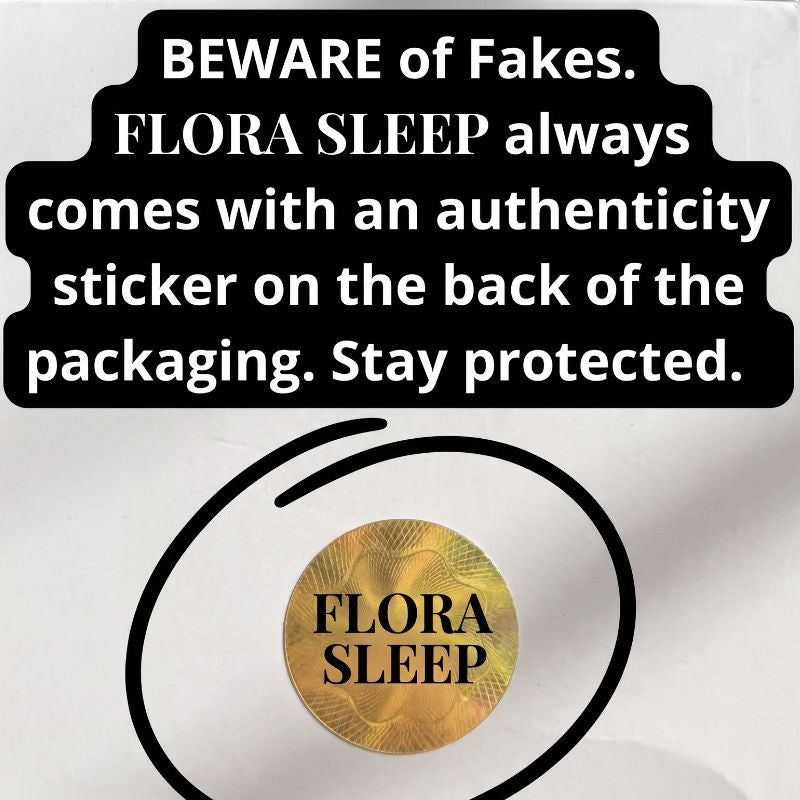
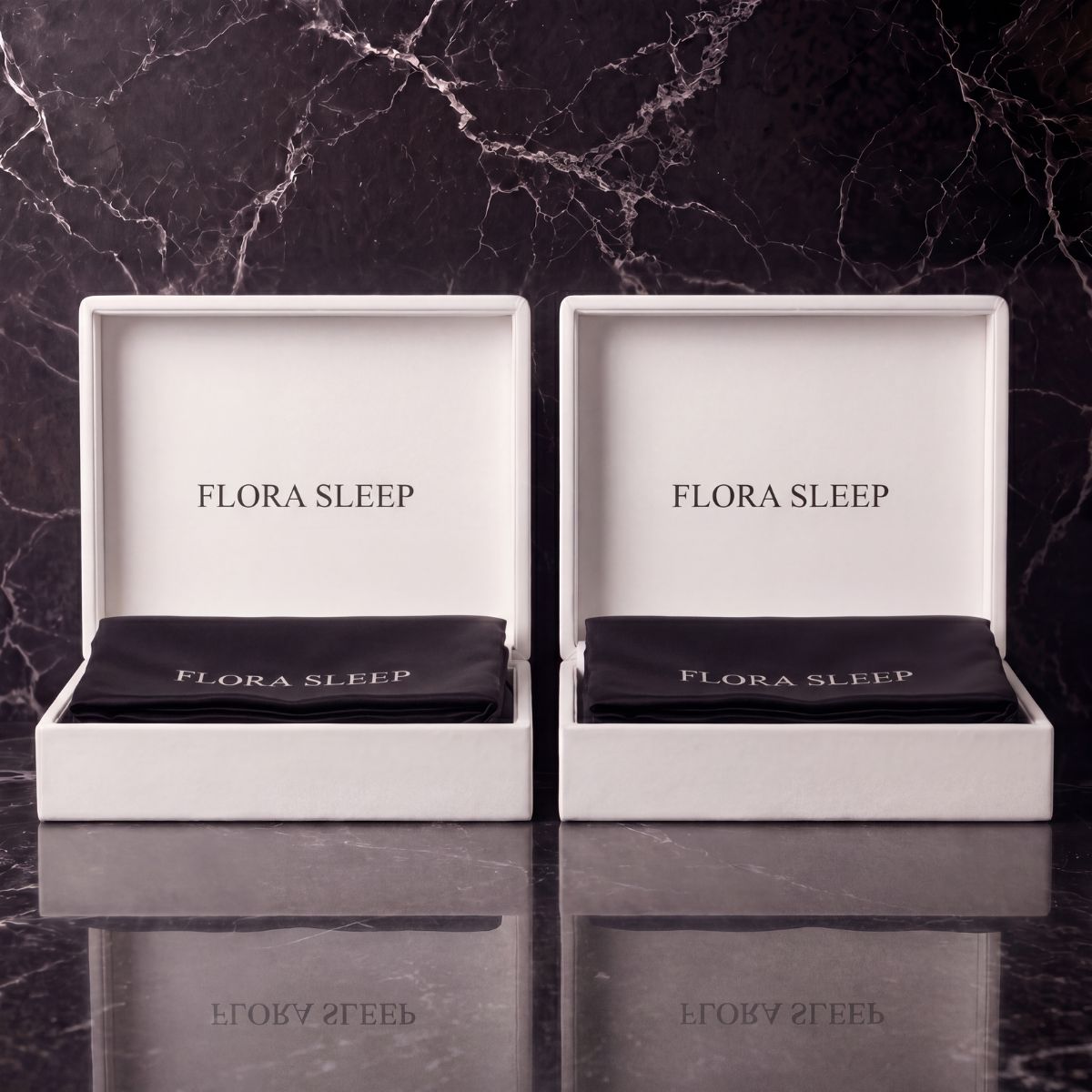
What Our Customers Are Saying


Recommended By Pulmonologist


"I Thought My Case Was Too Severe" "I told myself nothing would work for me — my sleep apnea was too bad. I'd tried 2 different CPAPs and woke up every morning looking like I hadn't slept in days. Dark circles, puffy face, exhausted. Three weeks with this pillow and my husband asked what I was doing differently. Look at my eyes now. That's all the proof I need."— Rebecca M.

"I Didn't Think a Pillow Could Replace My CPAP""How could a pillow do what a medical machine couldn't? I almost didn't order. But I was desperate — sick of waking up with mask marks and still looking exhausted. The difference in my face says it all. No more dark circles. No more puffiness. I actually look rested because I finally AM rested."— Karen T.

"After 4 Failed CPAPs, I'd Given Up""I accepted that tired, puffy face was just my life now. The bags under my eyes were permanent, or so I thought. My daughter convinced me to try this as a last resort. Two weeks later, I barely recognized myself in the mirror. I look 10 years younger because I'm finally sleeping."— Linda S.


"My Doctor Never Mentioned This Option""I trusted my doctor and stuck with CPAP for 3 years. Miserable years. I felt guilty even trying something he didn't prescribe. But I couldn't ignore the results — deeper sleep, more energy, no more machine noise. Sometimes the best solutions aren't in a prescription pad."— Patricia W.

"I Almost Let the Price Stop Me""I'll be honest — I hesitated because of the cost. But then I added up what I'd spent on CPAP supplies, replacement masks, and doctor visits. This pillow paid for itself in the first month. Best investment I've made for my health in years. I wake up smiling now."— Margaret D.

"At 67, I Thought It Was Too Late for Me""I figured poor sleep was just part of getting older. Something I had to accept. My granddaughter found this and insisted I try it. I wish I hadn't wasted so many years thinking I was too old to sleep well again. Age has nothing to do with it."— Dorothy H.
What Customers Say About The Florasleep Technology Pillow
-
 Patricia Lawson 2 hours agoVerified BuyerVancouver, BCHonestly I almost scrolled past this because I've seen like ten pillows that look exactly the same online. I already bought one that looked identical from Amazon a year ago and it did nothing. And another one that was a bit different, same result. My husband was like "you're really buying another pillow?" and I get it, I felt stupid too.But I was desperate and the 120-day guarantee made me think fine, I'll just return it if it's the same garbage.Turns out this is the only pillow that actually has the 12-degree florasleep technology. Like the real one. Backed by actual clinical trials and recommended by doctors. The other ones I bought just looked similar but didn't have the right angle — they were just random shapes with good photos.Three weeks in and I'm finally sleeping through the night. It actually works. My husband stopped making fun of me pretty quick when he saw the difference. Now he's using one too.
 -
 Linda Carruther 5 Hours AgoVerified BuyerCalgary, ABOkay so it works. My snoring is completely gone now and my sleep apnea is way better. But it took like 2 weeks to fully adjust to the pillow and for the snoring to stop completely. I feel like that's kind of long? Maybe I expected faster results. Anyway, it does what it says, just don't expect overnight miracles I guess.
 -
 Sandra Nicholson 8 hours agoVerified BuyerToronto, ONI've tried everything. And I mean everything. CPAP machine for 3 years that I hated every single night. Mouth guards that made my jaw hurt. Nasal strips that did absolutely nothing. Sleeping on my side with tennis balls taped to my back so I wouldn't roll over. Elevating the head of my bed with blocks. Melatonin, magnesium, sleep apps, white noise machines. I spent so much money and time trying to fix this and nothing worked long term.I was exhausted. Not just physically but mentally exhausted from trying. I kind of gave up honestly. Just accepted that this was my life now — waking up feeling like garbage every single day, dragging myself through work, counting down the hours until I could go back to bed just to not sleep properly again.My husband was the one who found this. I rolled my eyes when he showed me. Another pillow. Another thing to try and be disappointed by. But he ordered two anyway because I think he was tired of watching me struggle. And honestly tired of me being grumpy every morning.First week I didn't notice much. Second week something shifted. I started waking up and not immediately wanting to go back to sleep. By week three I realized I was sleeping through the whole night. Like actually sleeping. No waking up at 3am staring at the ceiling. No gasping. Just sleep.I don't know why this worked when literally nothing else did. Maybe it's the angle thing, maybe my body just needed the right position. I stopped trying to figure it out. I'm just grateful something finally worked after all these years.
 -
 Michelle Tremblay 14 hours agoVerified BuyerMontreal, QCI honestly didn't think this would work for us. Like at all. My sleep apnea is severe — not mild, not moderate, severe. My sleep study said I was waking up 10-15 times a night. I've been exhausted for years. And my husband? His snoring is so loud our kids used to hear it from their bedrooms upstairs. We'd laugh about it but honestly it wasn't funny anymore. I was sleeping in the guest room most nights just to get a few hours of peace. We've been married 27 years and we weren't even sharing a bed anymore.I saw this pillow and thought yeah right. A pillow. For cases like ours. My doctor told me my only real option was the CPAP and I tried it, I really did. But I felt like I was suffocating with that mask on. The anxiety of wearing it kept me awake more than the apnea did. So I gave up on it. I figured okay this is just my life now. Being tired forever. Sleeping alone.I ordered these as a last resort. Didn't even tell my husband because I didn't want to hear "you bought another thing?" again. When they arrived I just put them on the bed and said let's just try it.First week was okay. Not amazing. I almost gave up again honestly. But something told me to keep going. By the end of week two, I started noticing I wasn't waking up in the middle of the night as much. And then one night I woke up and it was quiet. Like completely quiet. I actually panicked for a second because I couldn't hear my husband breathing. But he was fine. He was sleeping. Just not snoring.It's been almost a month now. I sleep in our bed again. Every night. Next to my husband. I forgot what that felt like honestly. I thought our cases were too severe for something this simple to help. I really believed that. But I was wrong. If this worked for us I really think it can work for anyone.
 -
 Maria Santos 1 day agoVerified BuyerBrampton, ONI'll be honest with you, when I first saw this I thought it was a joke. A pillow? For sleep apnea? That's a real medical condition. I've been diagnosed. I've done the sleep studies. I have the paperwork. How is a pillow supposed to help with something medical?My daughter kept sending me the link and I kept ignoring it. I told her it's not a real solution, it's just a pillow. It's not medical. It's not FDA approved or whatever. It can't actually do anything for a real condition like mine. She got frustrated with me honestly. She said "mom you complain every single day about being tired, just try it."So I ordered it mostly to get her off my back. I didn't believe in it at all. I thought it was like those magnets people wear for joint pain. Just something people buy because they want to believe.But then it started working. And I didn't understand why. So I looked into it more. Turns out the 12-degree elevation is actually based on real clinical research. Doctors recommend this angle because it keeps your airway open naturally while you sleep. It's not magic, it's positioning. It's science. I just didn't know that before.My husband was skeptical too. He watched me struggle with sleep for years. He's seen me try the CPAP machine and give up. He's heard me snore and gasp every night. When I told him the pillow was helping he didn't believe me. Now he uses one too and sleeps better than he has in years.I felt silly for dismissing it as "just a pillow" for so long. Sometimes the simple solutions are the real ones. I wish I listened to my daughter sooner instead of being so stubborn about it.
 -
 Janet Morrison 2 days agoVerified BuyerEdmonton, ABOkay so the pillow actually works. I'll say that first. I've had sleep apnea for years and my doctor never mentioned anything like this. It was always CPAP this, CPAP that. I figured if there was something simpler that worked, she would have told me right? So I didn't believe it at first. But it actually works. I'm sleeping through the night now. Three weeks in and I feel like a different person.The reason for 3.5 stars is the shipping. It said 2-3 days and it took 3 days. I know that's technically within the window but I was really hoping for 2. I was excited and checking the tracking constantly. Not a huge deal but I would have been happier with faster delivery.But yeah the pillow itself is great. Wish my doctor had told me about this years ago honestly. Would have saved me a lot of struggling with that CPAP machine.
 -
 Deborah Mitchell 2 Days agoVerified BuyerOttawa, ONI almost didn't buy this. Already wasted money on three different pillows that promised to help with my sleep apnea and none of them did anything. So I was like okay what's supposed to be different about this one? But honestly I was just desperate at that point. Haven't slept properly in years.Saw the 120-day money back guarantee and figured fine, worst case I return it like the others.But this one actually worked. My physio explained it's the 12-degree angle — apparently that's the position that's actually been tested in clinical studies. The other pillows I bought were just random shapes with nice marketing. This one has real science behind it I guess.I'm sleeping so much better now. Not perfect but way better. Waking up with actual energy instead of feeling like I need another 10 hours. Glad I gave it one more shot.
 -
 Dorothy Flanagan 3 days agoVerified BuyerRegina, SKI almost didn't buy this because I've been burned too many times buying things from Facebook ads. Creams that didn't work, gadgets that broke after a week, stuff that never even arrived. I'm 71 years old and I've learned the hard way that if something looks too good to be true on the internet it usually is.So when I saw this pillow ad I thought here we go again. Another scam. My daughter had to convince me for weeks. She said mom just try it, there's a money back guarantee, you can return it if it's fake. I told her I don't even know how to return things online. She said she'd help me.So I ordered it expecting to be disappointed. Expecting to have to fight for a refund. Expecting the usual nonsense.But it came. In 3 days. Real packaging, real product, exactly like the pictures. And it actually works. I've been using it for almost a month now and I sleep so much better. I don't wake up feeling like I didn't sleep at all anymore.I'm glad my daughter pushed me. Not everything online is a scam I guess. This one is real.
 -
 Brenda Mackie 4 days agoVerified BuyerSudbury, ONI'm going to be honest here because I was THAT person reading the reviews and thinking they were all fake. Every single one. I'd scroll through and think yeah right, nobody talks like this about a pillow. "Changed my life." "Best sleep ever." "Miracle product." Come on. It's a pillow. How can a pillow have thousands of 5-star reviews? It made no sense to me.I've been online long enough to know companies pay for fake reviews. I've seen it with Amazon products, I've seen it everywhere. So I assumed this was the same thing. Just a regular pillow with a bunch of paid reviews to make it look special.But I was also desperate. I haven't slept properly in years. I'm tired all the time. My doctor put me on a CPAP machine and I hated it so much I just stopped using it. I was at the point where I'd try anything. Even something I thought was probably a scam.So I ordered it. Fully expecting to write an angry 1-star review about how I was right and everybody else was lying.But then it worked. And I felt stupid. And I realized maybe all those people weren't lying. Maybe they were just desperate like me and found something that actually helped and wanted to tell people about it.That's why I'm writing this now. Because someone out there is reading these reviews thinking they're fake just like I did. And I want you to know I was you. I didn't believe any of it. But it's real. It actually works. I don't know how a pillow can make this much difference but it does. I sleep through the night now. I wake up and I don't feel like I got hit by a truck.I'm sorry I thought you were all liars. I get it now.
 -
 Gail Henderson 5 days agoVerified BuyerVictoria, BCI didn't want to buy this. And I'm going to tell you the real reason why. It wasn't the money. It wasn't that I didn't believe it would work. It was because buying something like this felt like admitting something I wasn't ready to admit.That I'm getting old. That my body doesn't work the way it used to. That I need help now.I've always been independent. I raised three kids, worked full-time, took care of everyone. I was the strong one. And now here I am, 68 years old, can't sleep through the night, exhausted all the time, and my husband is showing me a pillow ad on his phone saying "maybe this will help."I got upset with him honestly. Told him I didn't need it. Told him to stop trying to fix me. I know that sounds awful but that's how I felt. Like if I bought this pillow I was giving up somehow. Accepting that I'm old and sick and need special things to function.He didn't argue with me. He just ordered it anyway. Didn't tell me until it arrived. He put it on my side of the bed and said "just try it, for me."That man has been married to me for 42 years. He's watched me struggle for so long. Listened to me complain every morning about being tired. Heard me get up five times a night. He just wanted to help me. And I was too proud to let him.It's been almost a month now. I sleep through the night most nights. I have energy during the day again. I feel more like myself than I have in years.And you know what? Buying this pillow didn't mean I was giving up. It meant I was finally letting someone take care of me for once. My husband knew what I needed before I did.I'm sorry I fought you on this, honey. You were right. Thank you for not listening to me.
 -
 Wendy Crawford 6 days agoVerified BuyerSaskatoon, SKI've been a side sleeper my whole life. Like my whole life. I cannot fall asleep on my back no matter how hard I try. I've tried trust me. Every time I try to sleep on my back I just lay there staring at the ceiling for hours.So when I saw this pillow I looked at it and thought okay this looks like it's made for back sleepers. The shape, the angle, everything about it screamed "back sleeper pillow." And I almost didn't order it because of that. What's the point if I can't even use it the way it's designed?But I was so tired. Literally tired. I haven't had a good night's sleep in years. My sleep apnea was getting worse and I couldn't handle the CPAP anymore. So I figured okay maybe I'll try to train myself to sleep on my back. Worst case I return it.First night I tried sleeping on my back and gave up after 20 minutes. Old habits. I just naturally rolled onto my side like I always do. And I thought well this was a waste of money.But then I noticed something. Even on my side, my head was positioned differently. The angle was still doing something. I wasn't snoring as much. I wasn't waking up gasping. I actually slept through most of the night.Turns out this pillow works for side sleepers too. I had no idea. I thought it was only for back sleepers but it's not. The elevation helps no matter what position you're in I guess.I wish they made that more clear on the website because I almost didn't buy it. If you're a side sleeper reading this and wondering the same thing — it works. Don't let that stop you like it almost stopped me.
 -
 Joyce Campbell 7 days agoVerified BuyerHalifax, NSI'm 73 years old and for the past few years I just accepted that my brain wasn't working like it used to. I'd forget things. Walk into a room and have no idea why I was there. Lose words mid-sentence. Feel like I was in a fog all day long. I thought that's just what happens when you get old. My mother was the same way. My grandmother too. I figured it was genetics or just life catching up with me.My doctor never said anything was wrong. My bloodwork was fine. So I just thought okay this is my new normal. This is what 70s feels like. You get tired, you get foggy, you forget things. Nothing you can do about it.Then a few weeks ago my friend tagged me on a Facebook post. Some woman talking about how her brain fog disappeared after she started sleeping better with this pillow. I watched the video and something clicked. I never connected my foggy brain to my sleep. I just thought I was sleeping fine because I was in bed for 8 hours. But I was waking up constantly. I just didn't realize it was a problem.I didn't even tell my friend I ordered it. I don't know why. I guess I didn't want to get her hopes up or look stupid if it didn't work.It's been about three weeks now. And I don't know how to explain this without sounding dramatic but I feel like someone cleaned the windshield I've been looking through for years. The fog is lifting. I remember things. I feel sharper. I have energy in the afternoon instead of needing to nap.I thought I was just getting old. I thought there was nothing I could do. But it wasn't age. It was sleep. I wasn't getting real sleep. And now I am.I called my friend last week and told her. She's ordering one now too. I should have told her sooner but I was scared it wouldn't work. I'm so glad I was wrong.
 -
 Shirley Duncan 8 days agoVerified BuyerLondon, ONI need to tell you what happened because I still can't believe it myself. I've had sleep apnea for 8 years. Eight years of that stupid CPAP machine. Eight years of my husband moving to the guest room because between my snoring and the machine noise he couldn't take it anymore. Eight years of waking up feeling like I didn't sleep at all.My doctor told me the CPAP was my only option. That I'd need it for the rest of my life. I believed her. What choice did I have?When I got this pillow I didn't expect much honestly. But after about two weeks something changed. I started waking up feeling... different. More rested. My husband asked me one morning if I had used my CPAP because he didn't hear me snoring. I hadn't. I forgot to put it on. And I still slept through the night.That was three weeks ago. I haven't worn that mask since. Not once. The snoring is gone. Completely gone. My husband is back in our bedroom after years of sleeping separately. I wake up with energy. Real energy. Not the fake "I guess I survived another night" feeling.So why not 5 stars? The pillow is too soft. I'm used to really hard pillows. Always have been. This one felt like my head was sinking in too much. Took me a full week to stop fighting it and just adjust. I wish they made a firmer option because everything else about it is perfect.But honestly? I'd sleep on a rock if it meant I never have to wear that CPAP again. So the softness is a small price to pay for getting my sleep back.
 -
 Catherine Murray 9 days agoVerified BuyerOakville, ONI have to share this because I know there are other women out there going through what I went through.My snoring got so bad over the years that my husband started sleeping in the spare bedroom. At first it was just "one night" because he had an early meeting. Then it was a few nights a week. Then it became every night. We've been married for 34 years and suddenly we weren't even sharing a bed anymore.I felt like I was losing him. Not in a dramatic way, but slowly. We stopped talking before bed. Stopped waking up together. Stopped having those little morning moments that you don't realize matter until they're gone. I felt like he was pulling away from me and I couldn't blame him. Who wants to sleep next to someone who sounds like a freight train all night?I tried the CPAP. I really tried. My doctor said it was the only solution. But I couldn't do it. The mask made me feel like I was suffocating. The noise was almost as bad as my snoring. I'd rip it off in the middle of the night without even realizing. I felt like a failure. Like I couldn't even do the one thing that was supposed to fix me.Then I saw this woman on Facebook talking about this pillow. She was telling her story and it was like she was describing my life. I watched the whole video and something in me just said try it. What do you have to lose at this point?I ordered two. One for me and one for my husband. I didn't want to feel alone in this. I didn't want him to watch me try another thing while he slept on his regular pillow. I wanted us to do this together.The first week was an adjustment. But by week two, something shifted. I wasn't snoring anymore. Or at least not nearly as bad. And my husband — who doesn't even have sleep apnea — started saying he was sleeping better too. He said he was waking up with more energy. Less foggy in the morning. More like himself.It just makes sense when you think about it. The angle keeps your airway open. Better airway, better breathing, better sleep. It's not magic. It's just logic.We sleep in the same bed again now. Every single night. He holds me in the morning like he used to. I didn't realize how much I missed that until I got it back.If you're sleeping in separate beds because of snoring, please try this. Please. It gave me my husband back.
 -
 Diane Leblanc 10 days agoVerified BuyerGatineau, QCI'm going to be really honest here because I think other women need to hear this.My husband has been snoring for years. Loud. The kind of snoring that shakes the walls. And me, I've been on a CPAP machine for the past 4 years. So every night it was the same thing — him sounding like a chainsaw, me strapped into this mask with tubes everywhere, both of us exhausted and frustrated.But here's what nobody talks about. The intimacy disappeared. And I don't just mean that. I mean everything. The closeness. The cuddling before sleep. The little conversations in bed before we drift off. You can't cuddle someone when you're wearing a CPAP mask. You can't have a spontaneous moment when you're hooked up to a machine. You feel like a patient, not a wife.I didn't realize how much it was affecting us until my sister asked how things were going with my husband. And I had to think about it. Really think. When was the last time we actually felt connected? When was the last time bedtime wasn't just about surviving another night?She's the one who told me about this pillow. Said her friend tried it and it changed everything. I was skeptical but desperate. I ordered two because honestly at that point what did we have to lose.First few nights were weird. We weren't used to sleeping without all the noise and equipment. But then something beautiful happened. We started actually sleeping. Together. In the same bed. Without the snoring. Without the mask. Without all the barriers between us.Last week my husband reached over in the middle of the night and held my hand. He hasn't done that in years. I almost cried. It sounds like such a small thing but when you've been sleeping like strangers for so long, it means everything.We're not just sleeping better. We're us again. The couple we used to be before all of this got in the way. I didn't buy a pillow. I bought my marriage back.
 -
 Jennifer Walsh 11 days agoVerified BuyerToronto, ONBefore I ordered this I read every single review on this page. Every one. I spent like two hours scrolling through them all. Women talking about how their lives changed. How they sleep through the night now. How they got their energy back. How their marriages improved.And I kept thinking this can't be real. It's too good. Too many happy stories. Too many people saying the exact thing I needed to hear. I've been on the internet long enough to know when something looks too perfect, it usually is.But I also kept thinking... what if it's true? What if all these women are telling the truth? What if I'm the one being cynical for no reason?I've been exhausted for so long. Years. I don't remember what it feels like to wake up rested. My husband watches me struggle every morning and I can see it hurts him. He doesn't know how to help me. I don't know how to help myself. I've tried so many things. Nothing worked.So I ordered it. Two of them actually. One for me and one for my husband. I know that sounds weird but I was scared. I figured if it doesn't work, at least we'll both be disappointed together. At least I won't feel like an idiot alone. He said he'd try it with me so I wouldn't feel stupid if it was a waste of money.It's been almost three weeks. I sleep now. Really sleep. I wake up and I don't immediately want to go back to bed. I have energy in the afternoon. I'm laughing more. My husband — who doesn't even have sleep apnea — said he's sleeping better too. He said he feels more rested, less foggy. He said he missed seeing me like this.I'm writing this review because I was that person reading all the reviews thinking it was fake. I get it. I was you. But it's real. These women aren't lying. I'm not lying. Sometimes things actually work. Sometimes you get lucky.I'm so glad I didn't let my doubt stop me.
 -
 Susan Mackenzie 12 days agoVerified BuyerVancouver, BCOkay I have to share this story because it's kind of funny now but it wasn't at the time.My husband and I both snore. Him especially. Loud. Really loud. For years I've been telling him to go get a sleep test, maybe he needs a CPAP, maybe there's something wrong. He refused. Every single time. He's stubborn like that. Doesn't like doctors, doesn't like admitting there's a problem, doesn't want to be "that guy" with a machine strapped to his face.But it was getting bad. We were both waking up tired. I started thinking maybe we need to sleep in different rooms. And that broke my heart honestly. We've shared a bed for 31 years. I didn't want to be one of those couples who sleeps apart.So I came up with a plan. I ordered these pillows but I didn't tell him what they were for. When they arrived I just said "I bought us new luxury pillows. They're supposed to be really good for your neck." That's it. Nothing about snoring. Nothing about sleep apnea. Just fancy pillows.He tried it that first night and said it was really comfortable. Didn't suspect a thing.It's been about a month now. Neither of us snore anymore. Or if we do, we can't hear it. My husband has no idea these pillows are designed for sleep apnea. He just thinks he got lucky with a really nice pillow. And honestly I'm not going to tell him. Let him think what he wants. All I know is we're both sleeping through the night and we're still in the same bed.I never did a sleep test myself so I can't say for sure if I had sleep apnea. But what I can tell you is the snoring is gone. Completely. And that's all I needed.Sometimes you gotta be a little sneaky to help the people you love.
 -
 Lise Bergeron 13 days agoVerified BuyerLaval, QCWe're in Florida right now — we come down every winter like a lot of Quebecers do — and guess what's in our suitcase? Both our pillows. We don't travel without them anymore. Haven't for two years now.Let me tell you why.Before we found this pillow, our marriage was in trouble. I'm not exaggerating. I was sleeping with a CPAP machine every night. Hated it but I needed it. My husband? He snored like a truck. Loud. The kind of snoring that vibrates through the walls. I kept begging him to go get tested, maybe get a CPAP too, do something. He refused. Stubborn man. Said he didn't need a machine, said it wasn't that bad, said I was overreacting.So we stopped sleeping together. I was in the bedroom with my CPAP. He was in the guest room with his snoring. We were like roommates. Married 38 years and we weren't even sharing a bed anymore.My daughter found this pillow online and bought it for us. Said "just try it, what do you have to lose." I didn't believe it would work but I was desperate at that point.Within three weeks, everything changed. My snoring stopped so I didn't need the CPAP anymore. His snoring? Gone too. Without him having to admit anything or see any doctor. He just sleeps on the pillow and that's it. Problem solved.Now we sleep together again. Every night. Even here in Florida in our little condo, we're side by side like we used to be. We bring these pillows everywhere — drove all the way down with them in the car. I don't care if it looks crazy. These pillows saved my marriage.If your husband is too stubborn to get help, just buy him this pillow. He won't even know what hit him.
 -
 Gloria Williams 13 days agoVerified BuyerMississauga, ONFor years my doctor told me my sleep apnea was because of my weight. That's it. Lose weight and it'll get better. So I did. I worked hard. Lost over 40 pounds. Felt proud of myself. And guess what? Nothing changed. Still couldn't sleep. Still waking up exhausted. Still gasping at night.So I thought okay fine, maybe I need the CPAP after all. Got one. Tried it. Hated it. Tried different masks — the nose one, the full face one, the one with the pillows. Every single one felt wrong. Couldn't sleep with any of them. The straps irritated my skin. The air felt weird. I'd wake up with marks on my face. I was about to just give up and accept that I'd be tired for the rest of my life.Then I saw this pillow. Honestly I didn't think it would work because if losing all that weight didn't help, how would a pillow? But I was desperate.First few nights were okay. Not amazing. I almost gave up again. But around day 5 something changed. I started waking up feeling different. More rested. And it just kept getting better from there.And my husband — his snoring was bad too. Really bad. He's on the pillow now and it stopped completely. We both sleep through the night now.What surprised me is how comfortable it is. I expected it to feel medical and weird, like all those other "clinical" products. But it actually feels like a nice pillow. You forget it's doing anything special. It just works.I wish my doctor had told me about this instead of just blaming my weight for years.
 -
 Barb Reynolds 14 days agoVerified BuyerKingston, ONI need to be honest about something. I almost didn't buy this because I convinced myself it wouldn't work for ME specifically. Like I'd read the reviews and think "okay that's great for them but my body is different." I've always had problems. Bad neck. Weird shoulders. I sleep in strange positions. I told myself there's no way a pillow designed for normal people would work for someone like me with all my issues.I've been telling myself that story for years honestly. Every time I saw something that might help, I'd talk myself out of it. "My case is different." "My body doesn't work like other people's." "That might work for them but not for me."It's a lonely way to live. Watching other people find solutions while you convince yourself you're too broken to be helped.My husband finally got fed up with me. He said "you don't know until you try, stop deciding it won't work before you even give it a chance." So he ordered it for me. Didn't even ask. Just did it.First few nights I kept waiting for it to fail. Kept waiting to wake up and say "see, I told you my body is different." But that moment never came. I slept. Really slept. Night after night.I spent so many years believing I was the exception. That nothing would work for me because I was somehow different. I was wrong. I'm not special. I'm not broken beyond repair. I just needed to stop telling myself that story and actually try something.If you're reading this thinking "that's nice but it won't work for me" — I was you. I promise. And I was wrong too.
 -
 Mary Chen 14 days agoVerified BuyerMarkham, ONMy husband never complained. Not once. That's the kind of man he is. 33 years of marriage and he never once said "you snore too loud" or "you woke me up again." He just dealt with it. Quietly.But I knew. I could see it in his face every morning. The dark circles. The tiredness. I'd wake up in the middle of the night and catch him lying there, eyes open, just waiting for me to stop gasping so he could fall back asleep. He never said anything but I knew I was ruining his sleep too.I felt so guilty. Every single night. Going to bed knowing I was going to keep him awake. Knowing he'd never say anything because he loves me too much to make me feel bad. That made it worse honestly. I wished he would just yell at me or sleep in another room. At least then I wouldn't feel like I was slowly exhausting the man I love.I found this pillow and I didn't even tell him I ordered it. I just wanted to try something, anything, to stop being a burden to him at night.It's been a few weeks now. I wake up and he's still asleep. Peaceful. Not staring at the ceiling waiting for me. Last week he told me he feels more rested than he has in years. He didn't know why. I didn't explain.He still doesn't complain. But now there's nothing to complain about.
 -
 Anne-Marie Bouchard 14 days agoVerified BuyerSherbrooke, QCI don't even know where to start with this. I guess I'll start with what our life looked like before.My husband and I were both exhausted. All the time. Not just tired — exhausted. The kind where you wake up and you already want the day to be over. The kind where you forget what you were saying mid-sentence. Where you walk into a room and stand there like an idiot trying to remember why you're there.We thought it was age. We're both in our late 50s now. We told ourselves this is just what happens. Your brain slows down. Your energy disappears. You become a shell of who you used to be. We accepted it like it was inevitable.But it was affecting everything. Our conversations got shorter because we were too tired to talk. We stopped going out because we didn't have the energy. I'd snap at him for no reason because I was so exhausted I couldn't control my emotions. He'd forget things I told him and I'd get frustrated. We were becoming people we didn't recognize.I honestly thought we were both getting early dementia or something. I was scared. I started looking things up online, reading about memory loss, wondering if I should see a specialist. My husband wouldn't talk about it but I could tell he was scared too.Then I read something about how sleep apnea causes brain fog. How when you're not getting real deep sleep, your brain can't function properly. How it mimics dementia symptoms. How people walk around for years thinking they're losing their minds when really they're just not sleeping.I ordered this pillow for both of us. Didn't tell my husband what it was for. Just said let's try these new pillows.Three weeks later and I feel like someone turned the lights back on in my brain. I can think clearly. I remember things. I have energy past 2pm. My husband said the other day "I feel like myself again" and I almost started crying because I knew exactly what he meant.We weren't getting old. We weren't losing our minds. We just weren't sleeping. For years. And nobody told us.I'm angry honestly. Angry that we spent so long thinking something was wrong with us. Angry that we blamed ourselves and each other. Angry that the answer was this simple and we didn't know.But mostly I'm just grateful. We got ourselves back. Both of us.
 -
 Bonnie Stewart 14 days agoVerified BuyerThunder Bay, ONI was on a CPAP machine for almost 7 years. Seven years of that thing following me everywhere like a ball and chain.You don't realize how much it controls your life until you try to do something spontaneous. Go to the cottage for the weekend? Gotta pack the CPAP. Make sure there's an outlet near the bed. Bring the distilled water. Bring the extra filters. Hope the power doesn't go out. Visit the grandkids overnight? Same thing. Camping with friends? Forget it. Not unless you want to run a generator all night.Our cottage is our happy place. Little cabin up north, nothing fancy, just peace and quiet. But every time we went I had to lug that machine with me. Set it up. Listen to it hum all night while my husband tried to sleep next to me. It felt wrong bringing all that medical stuff into our escape from the world.I started making excuses not to go. Too much hassle. Too tired to pack everything. My husband didn't say anything but I could tell he was disappointed. The cottage was our thing and I was ruining it.When I found this pillow I thought okay but how am I supposed to travel with a pillow? Then I realized... a pillow is a lot easier than a CPAP machine. No cords. No water. No outlets. Just a pillow.We're at the cottage right now actually. That's where I'm writing this from. Just me, my husband, and two pillows. No machine. No noise. Just sleep.Last night I woke up to complete silence. Just the wind outside and my husband breathing softly next to me. I almost forgot what that was like.I got my freedom back. I got our cottage back. I got our life back.
 -
 Heather MacDonald 16 days agoVerified BuyerMoncton, NBMy mother died three years ago. Heart attack in her sleep. She was 71.What nobody tells you about sleep apnea is that it doesn't just make you tired. It destroys your heart over time. Every time you stop breathing at night, your heart has to work harder. Year after year after year until it gives out.My mom was on a CPAP for a while but she hated it. Said she couldn't sleep with it. So she stopped using it. We all told her to keep trying but she was stubborn. Said she'd rather be tired than suffocate under that mask every night.I found her in the morning. Peaceful. Like she was just sleeping. But she wasn't.After that I became obsessed with my own sleep. I snore. My husband snores. We both wake up exhausted. Every night I go to bed wondering if my heart is slowly giving out like hers did. It's a terrible way to live. Afraid of sleep.I couldn't do the CPAP. I tried. But every time I put that mask on I thought of her and I panicked. I just couldn't.When I found this pillow I ordered two immediately. One for me and one for my husband. I wasn't going to take any chances. Not with either of us.It's been almost a month. We both sleep through the night. No snoring. No gasping. No waking up with our hearts racing.I don't know if this pillow will save my life. But I know my mom would have tried anything if she'd known there was another option besides that machine she hated.I wish she'd had this. I really do
 -
 Judy Patterson 17 days agoVerified BuyerCharlottetown, PEWe waited our whole lives for retirement. 40 years of work, raising kids, paying bills, dreaming of the day we could finally just... rest. Together. No alarm clocks. No schedules. Just us.And then we got there and I realized we couldn't even sleep in the same room.My husband's snoring got so bad over the years. I don't know if it was age or weight or what but it was like sleeping next to a lawnmower. I'd lie there at night, exhausted, resentful, watching the clock, thinking "this is retirement? This is what we waited for?"I started sleeping in the spare room. Just some nights at first. Then most nights. Then every night. We'd been married 41 years and suddenly we were sleeping apart like roommates.I was so frustrated with him. Why wouldn't he do something about it? Why did I have to be the one suffering? I told him to see a doctor, get a CPAP, anything. He kept saying he would but never did. Stubborn man.Then I realized I was being a hypocrite. I snored too. Not as loud, but I did. And I wasn't doing anything about it either. I was asking him to fix himself when I wasn't willing to do the same.So I ordered two pillows. I told him "we're both trying this. Together. No excuses." I wanted to show him I was willing to do the work too. Not just point fingers.First week was adjustment. Second week we both noticed the difference. By week three the snoring was gone. Both of us.We sleep together again now. Every single night. In our retirement, in our little house, in our bed, side by side like it's supposed to be.This wasn't just about snoring. This was about showing up for each other. Even after 41 years.
 -
Tammy Wheeler 18 days agoVerified BuyerRed Deer, ABMy husband and I have been riding motorcycles for over 30 years. We're not exactly the "medical equipment" type of people if you know what I mean. We live free. We ride free. The idea of strapping a machine to our faces every night? Not happening.But the snoring was getting bad. Both of us. After a long ride we'd crash in bed and it sounded like two Harleys idling all night. I'd wake up exhausted. He'd wake up exhausted. We blamed it on age, on the road, on everything except what it actually was.Someone told my husband about CPAP machines and he laughed. Said "I'm not sleeping with a mask on like I'm in a hospital." And honestly I agreed. That's just not us. We've never been the type to rely on machines and gadgets and medical stuff. We handle things our own way.But this pillow? This is different. It's just a pillow. Nothing strapped to your face. Nothing plugged into the wall. Nothing that makes you feel like a patient. You just lay your head down and sleep.And it's actually nice. Like really nice. Comfortable. Feels luxury. Not medical at all. My husband said it's the best pillow he's ever had and he doesn't even care that it's "for sleep apnea." To him it's just a damn good pillow.We both sleep through the night now. No snoring. No waking up feeling like garbage. And no machines. Just two bikers with really nice pillows.If you're the type who refuses to wear a CPAP, I get it. Try this instead. Your pride stays intact and you actually sleep.
-
Colleen Fraser 19 days agoVerified BuyerSaint John, NBWe have two of them now. Both pillows, both of us, every night.I'm writing this review because I need people to understand something. I was so hesitant about the price. I kept thinking "it's just a pillow, how can a pillow cost this much, this is crazy." I almost didn't buy it like three different times. Had it in my cart, closed the browser, came back, closed it again.Finally I just did it. Ordered two because if I was going to spend the money I might as well go all in.And I'm telling you right now — worth every single penny. Every single one. I would pay double honestly. Triple. Whatever.I haven't slept like this in years. My husband hasn't slept like this in years. We wake up feeling like actual human beings. Not zombies. Not exhausted shells of ourselves. Humans.I don't know how to put a price on that. On feeling alive again. On having energy to enjoy your life. On not dreading bedtime because you know you're just going to lie there and suffer.Don't do what I did. Don't overthink it. Don't let the price scare you. Just buy it. Buy two. You won't regret it.
-
Valerie Hunt 20 days agoVerified BuyerKamloops, BCI don't usually write reviews. I don't usually share personal stuff online. But I feel like I need to because someone out there is probably where I was a few months ago and they need to hear this.I was desperate. Like truly desperate. The kind of desperate where you've tried everything and nothing works and you start to think maybe this is just your life now. Maybe you're just meant to be exhausted forever. Maybe some people just don't get to sleep properly and you're one of them.I tried the CPAP. Three different machines actually. The first one felt like someone was blowing air into my face all night. I couldn't relax. Couldn't fall asleep. Just laid there with this thing strapped to me feeling like I was suffocating. The second one was supposed to be "quieter" and "more comfortable." It wasn't. The third one my doctor said was the best on the market. I lasted two weeks before I shoved it in the closet with the other two.I tried mouth guards. The kind that push your jaw forward. Gave me headaches. Made my teeth hurt. Didn't help the snoring anyway.I tried sleeping on my side. Tried propping myself up with regular pillows. Tried those wedge things. Tried sleeping in a recliner for a month. A recliner. In my living room. Like I was a hundred years old.Nothing worked. Nothing.I started having dark thoughts honestly. Not like that, but just... hopeless thoughts. Thinking what's the point of anything if you can't even sleep. If you wake up every single day feeling worse than when you went to bed. If the thing that's supposed to restore you just drains you more.My sister found this pillow. I didn't even want to try it. I told her I was done trying things. Done getting my hopes up. Done wasting money on promises that don't deliver. She bought it for me anyway. Said "just try it one more time, for me."First night was whatever. Second night too. But somewhere around day five or six something changed. I woke up and I didn't feel like death. I felt... okay. And okay was a miracle at that point.It's been almost a month now. I sleep through the night most nights. I have energy during the day. I don't feel like I'm drowning anymore.I was so desperate. So ready to give up. And this stupid pillow that I didn't even want to try saved me.If you're where I was — please try it. Please. I know you're tired of trying. I know you don't believe anything will work. But just try this one more thing. It might be the one.
-
Elsie MacDougall 21 days agoVerified BuyerSydney, NSI finally slept through the night for the first time in I don't know how long. 52 years of marriage and we've both been struggling for the last few. But I'll tell you what changed — our sleep.We're both in our 70s now. We've been tired for so long I forgot what rested felt like. I thought that was just part of getting old. You slow down. You don't sleep as well. Your body stops working the way it used to. I accepted it.My granddaughter is the one who found this. She's always on her phone looking things up. She called me and said "Nana I found something for you and Grandpa, just try it please." That girl worries about us too much. But she's also usually right so I listened.We've been using these pillows for about a month now. Both of us. And I'm telling you, I feel 10 years younger. I wake up and I actually want to get out of bed. I have energy to cook, to garden, to play with the great-grandkids when they visit. My husband is the same. He's more like himself again. More talkative. More present.Getting old doesn't have to mean feeling terrible all the time. We just weren't sleeping properly. That's all it was.My husband says thank you too. Stubborn man. But a well-rested stubborn man now.
-
Maureen Chicken 22 days agoVerified BuyerBrandon, MBNice Product. I'm happy with my purchase.
-
Darlene Bishop 23 days agoVerified BuyerKelowna, BCIf you're still hesitating, I get it. I really do. I was exactly where you are right now.Scrolling through these reviews thinking "yeah right." Wondering if any of this is even real. Thinking about all the other times you bought something online that promised to change your life and it ended up in a drawer somewhere collecting dust.I've been scammed so many times. That cream that was supposed to fix everything? Garbage. That gadget that was "doctor recommended"? Broke after a week. That supplement with thousands of 5-star reviews? Did absolutely nothing. I learned the hard way that the internet is full of lies and pretty ads for things that don't work.So when I saw this pillow I was like okay sure. Another thing. Another promise. Another disappointment waiting to happen. My finger hovered over that "buy now" button for days. Literally days. I'd close the page, come back, close it again.Finally I thought you know what, they have a money back guarantee. Worst case I return it and I'm back where I started. At least I'll know for sure instead of always wondering "what if."So I ordered it. Fully expecting to send it back.That was almost a month ago. I'm not sending it back. I'm never sending it back.This one is real. I don't know how else to say it. After all the fakes and the scams and the disappointments — this one actually works. I sleep through the night. I wake up rested. It's not a miracle, it's not magic, it's just a pillow that does exactly what it says it does.I know you're tired of being lied to. I know you don't trust anything anymore. But trust this one. Just this once. You won't regret it.
-
Norma Chicken 24 days agoVerified BuyerLethbridge, ABI want to share my story because I think a lot of women go through the same thing and just accept it.When I turned 55, the snoring started. Out of nowhere. And it got worse every year. By 60 I was waking up gasping, exhausted every morning, couldn't think straight during the day. My doctor said it was sleep apnea and gave me a CPAP.Here's the thing — my mother went through the exact same thing. Around 55, snoring started, sleep apnea, CPAP machine. My grandmother too. I thought it was just genetic. Just what happens to the women in our family. Like grey hair or bad knees. You hit a certain age and you stop sleeping properly. That's life.My mother told me "the CPAP is uncomfortable but there's no other way. You just have to deal with it like I did." My grandmother said the same thing before she passed. They both just... accepted it. Suffered through it. Gave up on ever sleeping comfortably again.But I didn't want to give up like they did. I watched my mother struggle with that machine for 20 years. Watched her dread bedtime every single night. Watched her get more tired, more frustrated, more defeated. I didn't want that to be my life too.So I kept looking. Kept searching for something else. Anything else.When I found this pillow I thought okay, probably won't work, but I have to try. For myself. For the life my mother and grandmother never got to have.It's been almost a month. I sleep through the night. No machine. No mask. No suffering.I called my mother last week and told her about it. She's 84 now. Still fighting with that CPAP every night. I'm sending her one.It doesn't have to be the way it's always been. We don't have to suffer just because the women before us did. There's another way now.
-
Eleanor Price 25 days agoVerified BuyerFredericton, NBFor 12 years I thought I had insomnia. Twelve years.I'd lie awake at night, mind racing, couldn't fall asleep. When I finally did fall asleep I'd wake up constantly. My doctor said it was anxiety. Stress. Gave me sleeping pills. Then stronger sleeping pills. Then pills for the anxiety that was supposedly keeping me awake.I became dependent on those pills. Couldn't sleep without them. And even with them, I'd wake up exhausted. Foggy. Like I hadn't slept at all. The doctor said that was a side effect. Said we'd try a different pill. Then another one. Then another.I spent 12 years medicating a problem I didn't actually have.It was my daughter who suggested I might have sleep apnea. She read something online about how it's often misdiagnosed as insomnia in women. How we don't always snore loudly like men do. How doctors miss it all the time.I did a sleep study. She was right. Moderate sleep apnea. For 12 years. Nobody caught it.I tried a CPAP but after years of pill dependency I couldn't handle another thing controlling my sleep. I needed something simpler.This pillow gave me that. It's been almost a month and I sleep now. Really sleep. I'm off the pills. I read before bed — actually read, not just stare at the pages waiting for medication to knock me out.I'm reading again. Relaxed. At peace. I haven't felt like this in over a decade.If you think you have insomnia but nothing works, please get tested for sleep apnea. And please try this pillow. You might be medicating the wrong problem like I was.
-
Joanne Pelletier 26 days agoVerified BuyerTrois-Rivières, QCI'm waking up actually happy for the first time in years. Listen. If you're reading this review right now, if you're scrolling through trying to decide if you should buy this or not, I have one thing to say to you:Don't waste another night.Not one more.I waited too long. I spent years being tired. Years waking up feeling like garbage. Years telling myself "I'll deal with it eventually" or "it's not that bad" or "maybe it'll get better on its own."It doesn't get better. It gets worse. Every night you wait is another night you lose. Another morning you wake up exhausted. Another day you drag yourself through feeling half alive.I added up all the nights I suffered before I finally bought this pillow. You know how many? Thousands. Thousands of nights I could have slept. Thousands of mornings I could have woken up like this — arms in the air, actually excited to start my day.I can't get those nights back. But you can save yours.Whatever is stopping you — the price, the doubt, the fear it won't work — it's not worth it. None of those reasons are worth another night of suffering.Just buy it. Tonight. Sleep on it tomorrow. Wake up and feel what I feel.Stop waiting. Start sleeping.
-
Tina Chicken 27 days agoVerified BuyerPrince George, BCI need to be honest about something I've never really talked about. I was ashamed of my snoring. Deeply ashamed. For years.I never told anyone how bad it was. Not my friends. Not my sisters. Not even my doctor really — I'd downplay it. "Oh I snore a little I guess." A little. I sounded like a freight train every night.I avoided sleepovers when my girlfriends wanted to do wine weekends. Made excuses for why I couldn't share a hotel room on trips. Dreaded falling asleep first anywhere because someone might hear me. I turned down a trip to Vegas with my best friends because the thought of them hearing me snore made me sick.I let my shame steal so many experiences from me.When I finally ordered this pillow I did it secretly. Didn't tell anyone. Figured if it didn't work, nobody would know I tried. If it did work, I'd just quietly become someone who doesn't snore. No explanation needed.It worked. It actually worked.Last month I went on that trip I'd been avoiding. Shared a room with my sister. She said nothing in the morning. Because there was nothing to say. I didn't snore.I'm crying typing this honestly. All those years I hid. All those experiences I missed. All because I was too ashamed to deal with it.If you're hiding like I was — please stop. You don't have to live like that. You don't have to miss out on life because of something you can fix.
-
Evelyn Carter 28 days agoVerified BuyerMedicine Hat, ABYou know what I'm doing every morning now? Drinking my coffee. In peace. In my bed. Taking my time.That might not sound like a big deal to you. But for me it's everything.For years I couldn't enjoy my mornings. I'd wake up so exhausted that I'd have to drag myself out of bed immediately just to start functioning. Chug coffee like medicine. Rush through everything because I felt like I was running on empty from the moment I opened my eyes.I'm 76 years old. I thought my good mornings were behind me. I thought waking up tired was just what the rest of my life would look like. I thought I'd never again have the energy to just... sit. Be still. Enjoy a quiet moment with my coffee while the sun comes in through the window.I was grieving something I thought I'd lost forever.My nephew bought me this pillow. He was worried about me. Said I looked tired every time he visited. Said I deserved to rest properly at my age, not struggle through every day.That sweet boy gave me my mornings back.Now I wake up and I don't rush. I make my coffee, I sit in my bed, I look out the window. Sometimes for an hour. Just breathing. Just being. Just grateful.At 76 I finally feel like myself again. Whoever said your best days are behind you once you get old was wrong. Mine are right now.
-
Christine Daley 29 days agoVerified BuyerWhitehorse, YKMy bike collected dust for almost two years. Two years.I used to be the active one. The one who woke up at 6am to exercise before work. The one who had energy for everything. Hiking, biking, yoga, you name it. That was me. That was my identity.Then the exhaustion took over. Slowly at first. I'd skip a morning here and there. Then weeks would go by. Then months. I'd look at that bike and think "tomorrow" but tomorrow never came because I was too damn tired.I blamed age. Blamed menopause. Blamed stress. Blamed everything except the real problem — I wasn't sleeping. Not properly. I was in bed for 8 hours but waking up like I'd run a marathon in my sleep.I started to not recognize myself. Who is this tired woman who can't even get on a bike? Where did I go?My trainer actually suggested I look into sleep apnea. Said a lot of her clients my age had it without knowing. Said it was stealing their energy and they thought they were just getting old.I got this pillow as a last resort before doing a whole sleep study. Figured I'd try the simple thing first.I was out this morning. Stretching. Got on that bike. At 6am. Like the old me.I'm back. I found her again. She was just tired. So, so tired. And now she's not.If you feel like you've lost yourself to exhaustion — you're still in there. You just need to sleep. Really sleep.


Why ?
Why struggle with CPAP masks, chin straps, or mouth tape when one pillow does it all? delivers open airways, deeper sleep, and real rest in one step — powered by our patented 12° Florasleep Technology. No machines. No discomfort. Just results overnight.

Shipped from USA — Not Overseas.
Unlike other brands that ship from China and leave you waiting 3-4 weeks, ships directly from USA. That means 2-3 days delivery anywhere in U.S. — no customs delays, no surprise fees, no endless tracking refreshes.
When you order today, your pillow is already here, packed and ready to ship. Real inventory. Real speed. Real USA service.
Because when you're struggling with sleep apnea, you shouldn't have to wait a month for relief.

Is FLORA SLEEP Right for You?
🔴 Do you wake up exhausted even after 7-8 hours of sleep?
🔴 Do you struggle with your CPAP mask every night?
🔴 Do you snore or stop breathing during sleep?
🔴 Do you wake up with headaches or brain fog?
If you answered Yes — Flora Sleep Will Help You.
With Flora Sleep's patented 12° elevation, your airways stay open naturally — so you breathe deeper, sleep better, and wake up refreshed. No machine required.

Why I Started This...
As a physician, I saw countless patients suffering from sleep apnea, chronic fatigue, and the health risks that come with poor sleep. Research — and my own clinical experience — confirmed a simple truth: proper airway positioning transforms sleep quality.
But the options were frustrating. CPAP machines were effective but intolerable for most patients. Masks, noise, discomfort — 50% of my patients gave up within the first year. So I designed what was missing: Flora Sleep — a pillow with precise 12° elevation that keeps airways open naturally.
Now thousands of Americans finally have a comfortable, machine-free way to breathe freely and wake up truly restored.
— Dr. David Carter, MD — Boston, MA


